Duck Creek
166 min read22 viewsWhat Is Duck Creek? A Complete Guide to Insurance Technology, Modules & Career
By TechPratham TeamPublished September 24, 2026Updated September 24, 2026
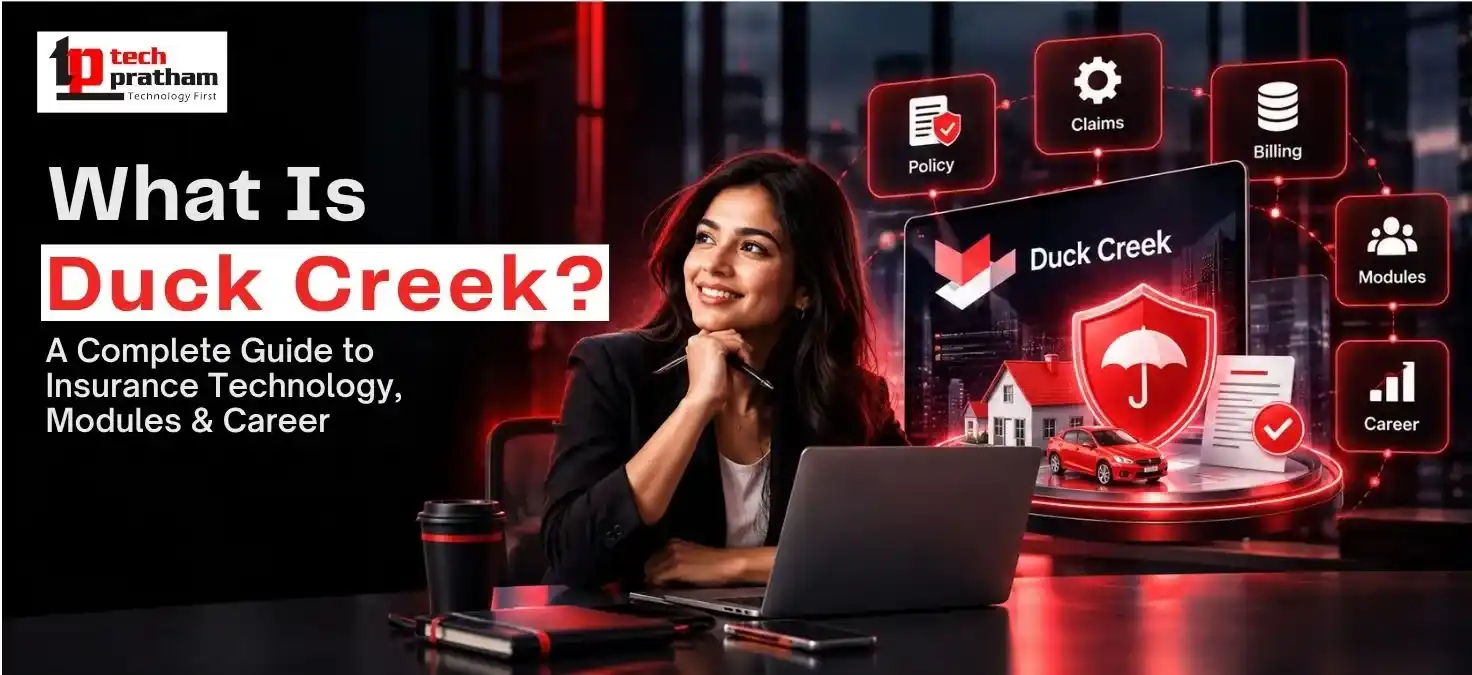
The insurance industry is changing rapidly as companies move from traditional systems toward cloud-based platforms, automation, connected applications, and smarter digital processes. In this transformation, insurance technology platforms play an important role in helping organizations manage complex business operations more efficiently. Duck Creek is an insurance technology platform designed around the needs of the property and casualty insurance industry. It supports important insurance processes such as policy management, billing, claims, rating, customer interactions, and related operational workflows.
For technology professionals, Duck Creek is also an interesting career domain because it combines insurance knowledge with enterprise technology, configuration, implementation, integration, and digital transformation.
In this guide, we will understand what Duck Creek is, how it is used, its major modules, required skills, AI possibilities, career opportunities, certification, and how beginners can start learning the technology.
What Is Duck Creek?
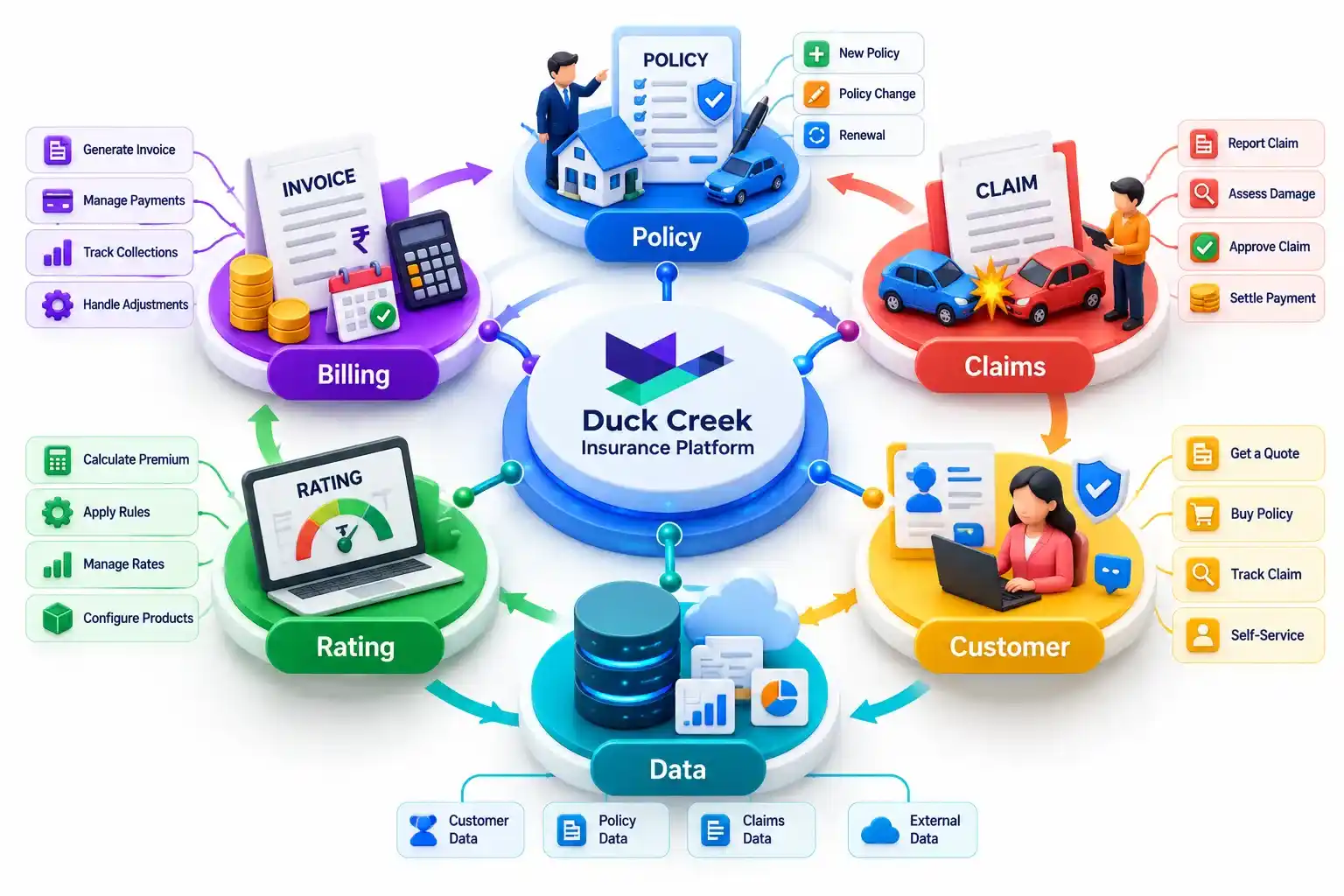
Duck Creek is a technology platform created to support insurance organizations in managing their core business processes. Insurance companies handle several interconnected activities. A customer may purchase a policy, receive a premium calculation, make payments, request changes, and eventually file a claim. Each activity requires accurate information and coordination between different systems. Duck Creek technology helps organize these processes through specialized insurance solutions. Depending on the business requirement, organizations can use Duck Creek capabilities for areas such as:
- Policy administration
- Insurance rating
- Billing management
- Claims processing
- Insurance product configuration
- Workflow management
- System integration
- Digital customer experiences
- Data-driven insurance operations
The broader purpose is to help insurers manage their operations through technology that understands insurance-specific requirements rather than relying only on generic enterprise software.
How Does Duck Creek Technology Work?
Duck Creek technology works by supporting different stages of the insurance lifecycle through specialized applications and configurable business processes. For example, when an insurance company introduces a new insurance product, several activities may be required. The organization may need to define the product, establish pricing rules, create policy workflows, configure billing requirements, and prepare processes for future claims. A technology platform can bring these requirements into a structured environment.
Duck Creek professionals may work on activities such as:
- Understanding business requirements
- Configuring insurance products
- Defining business rules
- Supporting workflows
- Connecting applications
- Testing configurations
- Troubleshooting issues
- Supporting implementation projects
This makes Duck Creek relevant to both technical and functional professionals.
Why Is Duck Creek Important for the Insurance Industry?
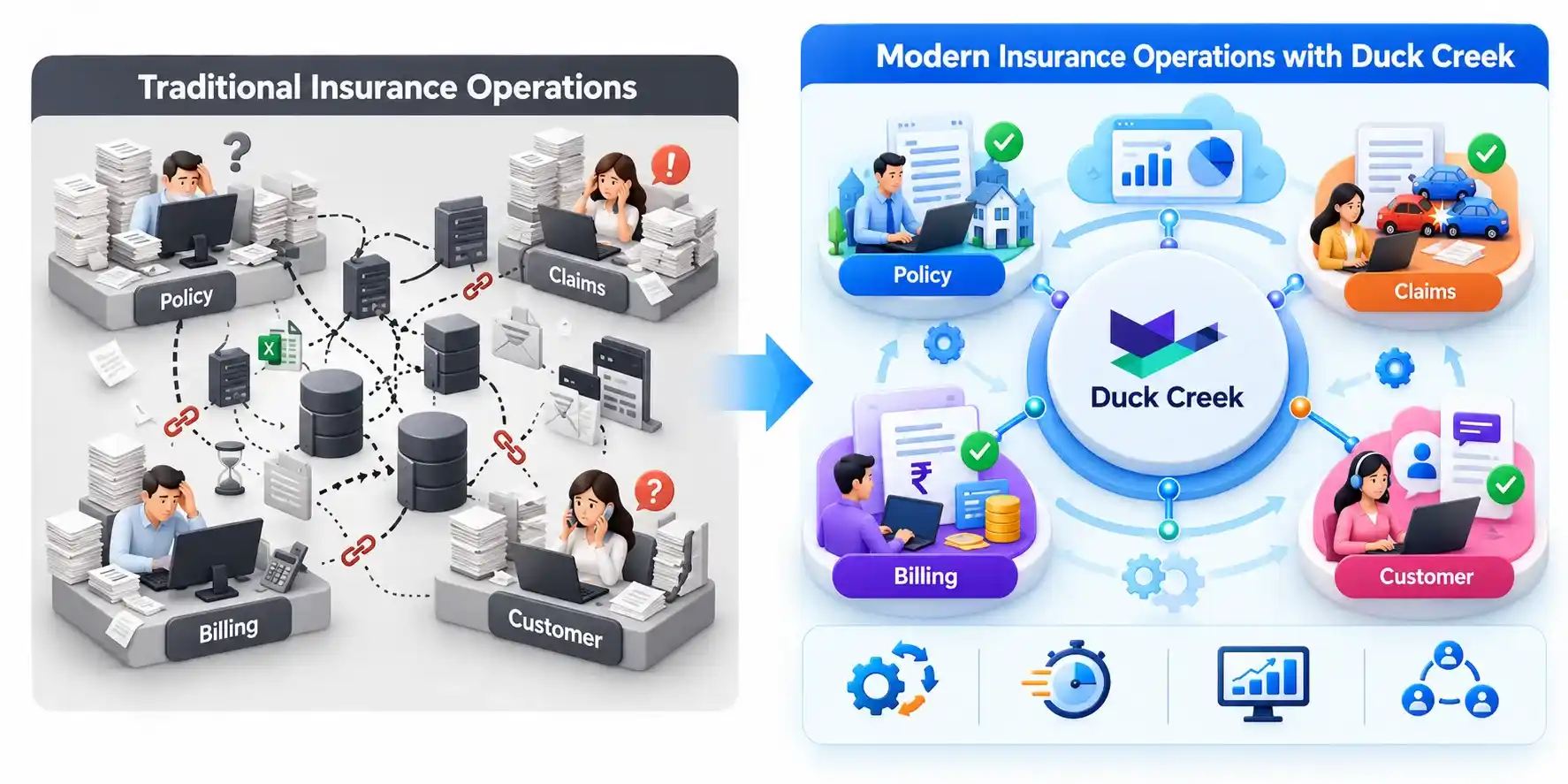
Insurance businesses operate with large amounts of structured information and complex rules. A small change in a product, pricing structure, policy condition, or claims process can affect several departments. Technology helps organizations manage these processes in a more organized way. Duck Creek can support insurance companies by helping them:
- Manage policy information
- Automate repetitive activities
- Improve process consistency
- Connect different business systems
- Support faster product changes
- Organize billing operations
- Manage claims workflows
- Improve digital customer interactions
The value of insurance technology is not limited to automation. It also helps businesses create processes that are easier to manage, monitor, modify, and scale.
How Is AI Changing Duck Creek and Insurance Operations?
Artificial intelligence is becoming an important part of modern insurance technology. The role of AI in insurance is expanding beyond simple automation. AI can help organizations analyze information, identify patterns, support decision-making, reduce repetitive manual work, and improve customer interactions.
Within a Duck Creek environment, AI-related capabilities can potentially support areas such as:
- Insurance document analysis
- Claims information processing
- Underwriting support
- Customer service assistance
- Workflow automation
- Data analysis
- Risk-related decision support
- Intelligent process recommendations
How Can AI Improve Insurance Enrollment?
Insurance enrollment can involve collecting customer information, checking eligibility, reviewing documentation, selecting coverage, and completing multiple administrative steps. AI can help streamline parts of these processes by organizing information, identifying missing data, assisting with document processing, and supporting faster responses. However, AI should work alongside appropriate business rules and human expertise, particularly when insurance decisions involve compliance, risk, or sensitive customer information. For professionals entering the Duck Creek ecosystem, understanding AI, automation, data, and insurance workflows can become an additional advantage as the industry evolves.
What Are the Main Duck Creek Modules?
Duck Creek is associated with multiple areas of insurance operations. Understanding these areas is important for anyone planning to work with the platform.
Duck Creek Policy
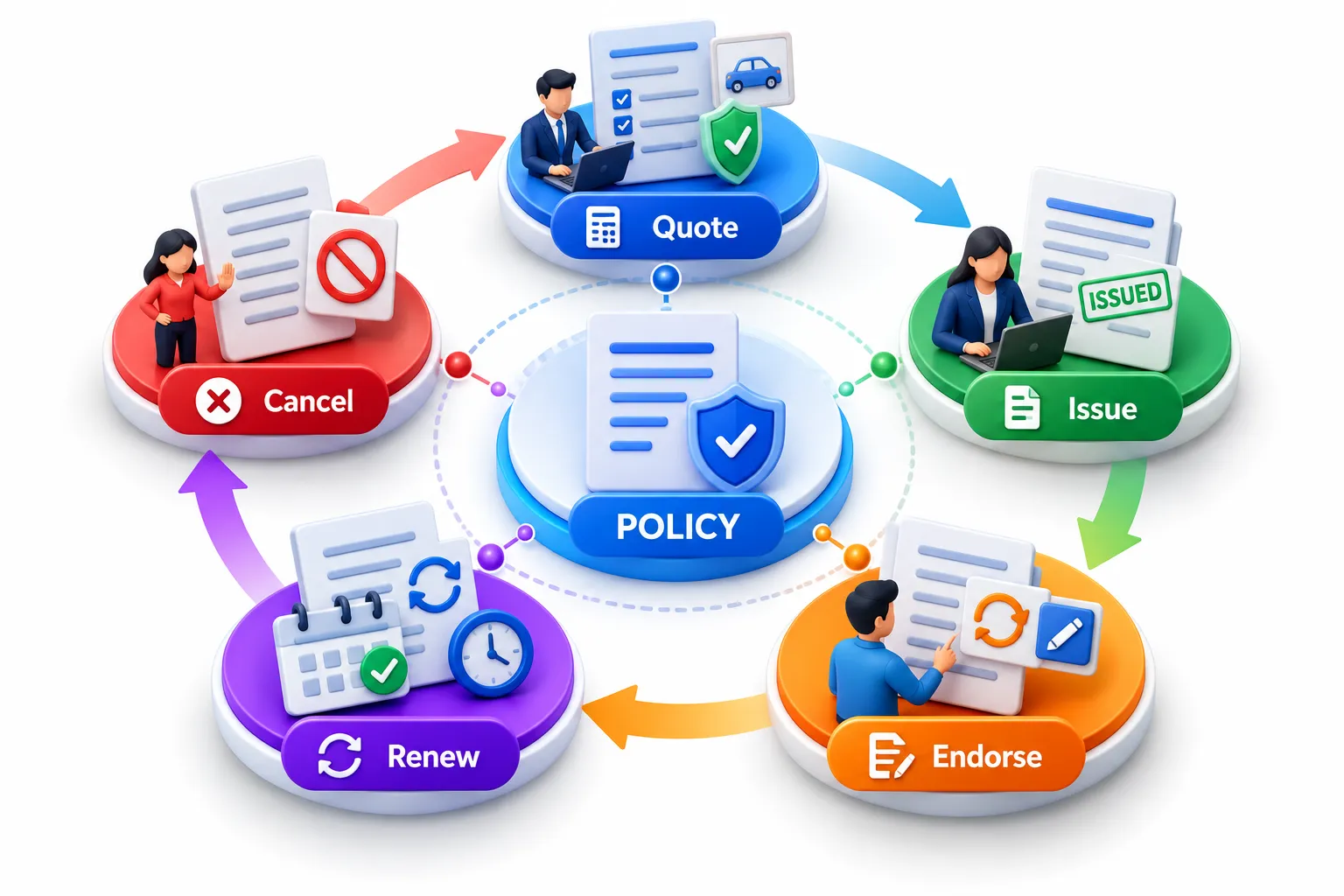
Policy management is one of the most important areas of insurance operations. A policy represents the agreement between an insurer and a customer. Managing it can involve quoting, issuing, modifying, renewing, and eventually cancelling or replacing the policy. Professionals working with Duck Creek Policy may need to understand:
- Policy lifecycle
- Product configuration
- Coverage
- Policy transactions
- Business rules
- Renewals
- Endorsements
- Integrations
A strong understanding of insurance policy processes is particularly useful for functional professionals.
Duck Creek Rating
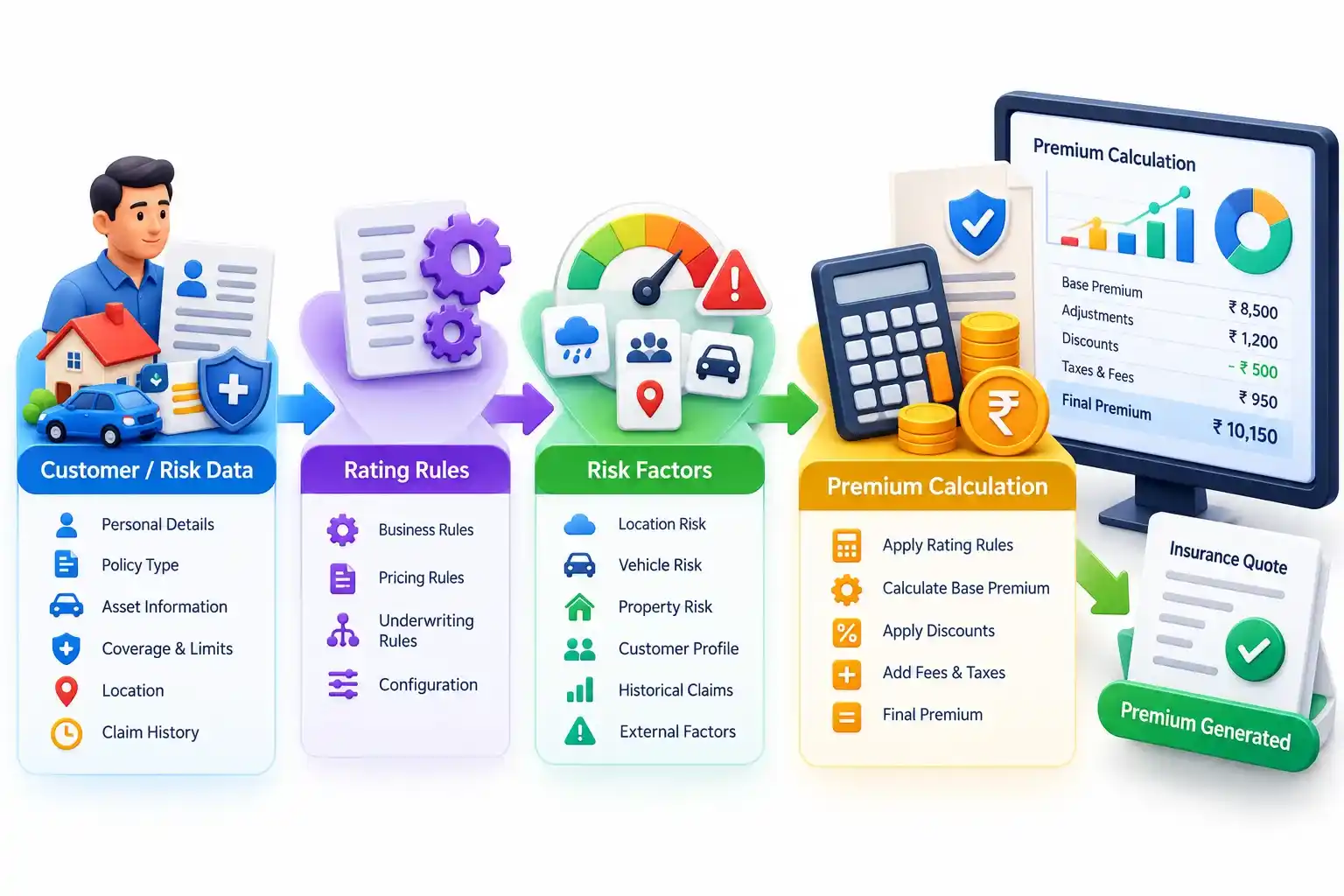
Rating is related to calculating the price of an insurance policy based on defined business and risk factors. Insurance companies may have different pricing structures for different products and customer profiles. Technology helps implement these pricing rules consistently.
Learning Duck Creek Rating involves understanding how business requirements can be translated into configurable rating logic.
Professionals working in this area may interact with:
- Rating rules
- Pricing factors
- Product structures
- Business requirements
- Configuration
- Testing
Duck Creek Billing
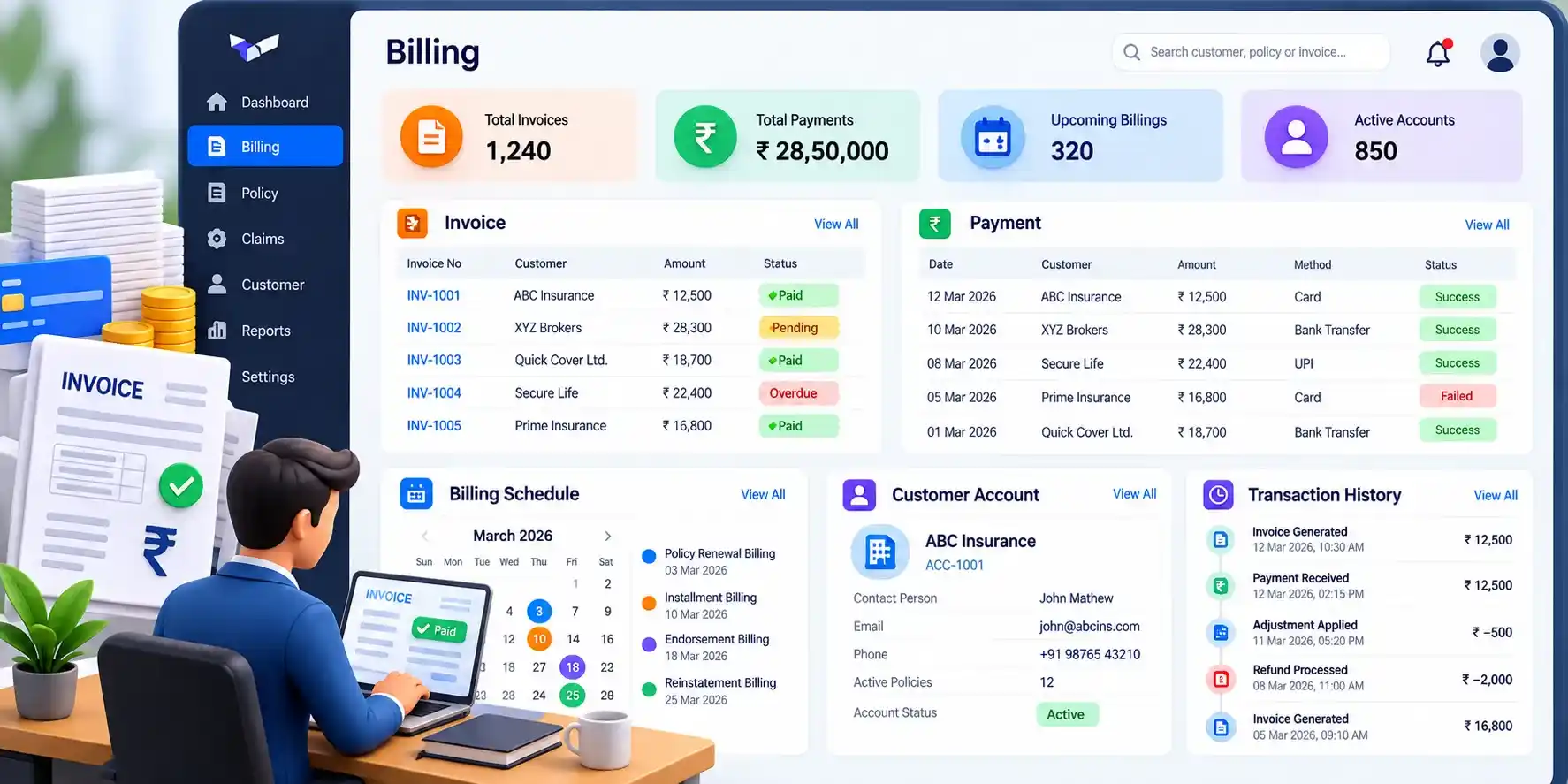
Billing focuses on the financial side of insurance operations. Once a policy is created, customers may have different payment schedules and billing requirements. Managing these activities accurately is important for both the insurer and the customer.
Duck Creek Billing-related work may involve:
- Payment processing
- Billing schedules
- Invoices
- Account information
- Financial transactions
- Billing workflows
Understanding both insurance billing concepts and technology processes can help professionals work effectively in this specialization.
Duck Creek Claims
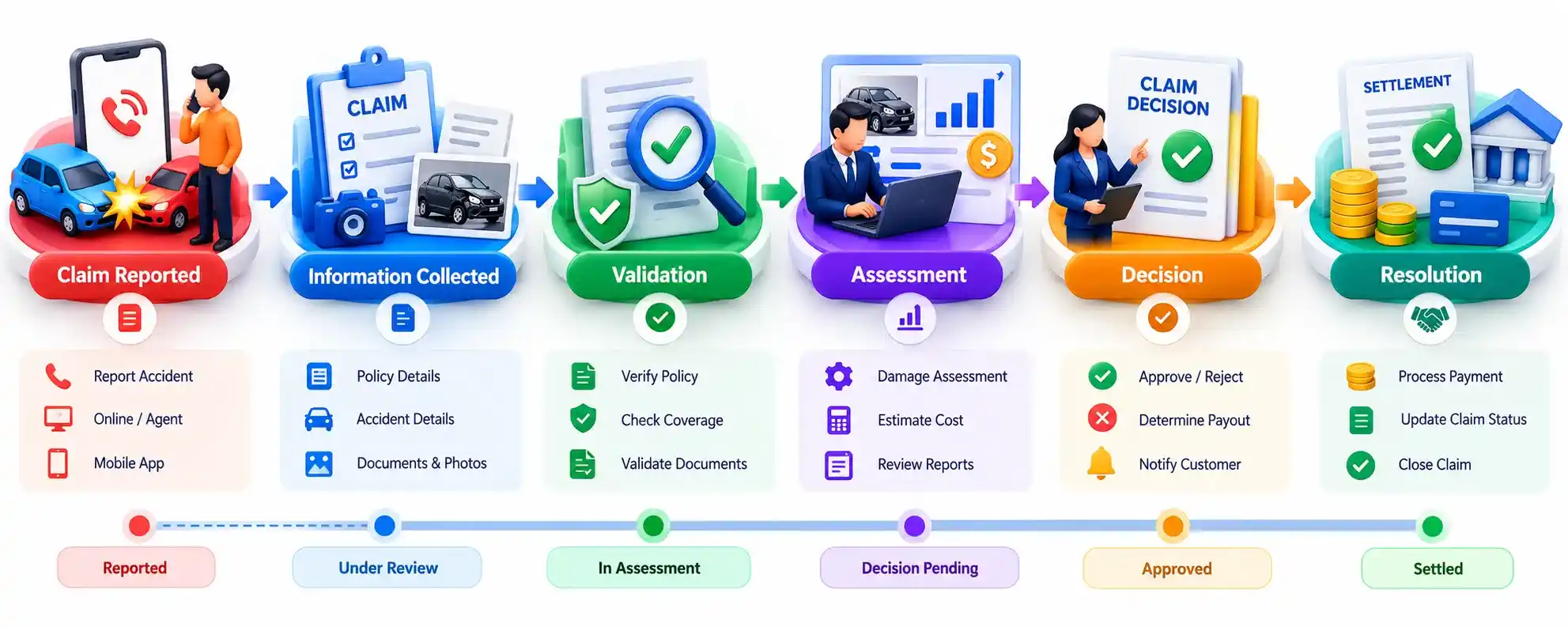
Claims management is another important part of the insurance lifecycle. When a customer reports an insured event, the insurer needs to collect information, evaluate the claim, process relevant workflows, and reach an appropriate resolution. Technology can support these activities by organizing claim information and creating structured workflows.
Professionals working with claims technology may need to understand:
- Claim intake
- Claim validation
- Claim workflows
- Documentation
- Business rules
- Claim processing
- System integration
AI and automation can also become increasingly relevant in this area.
What Skills Are Needed for a Duck Creek Career?
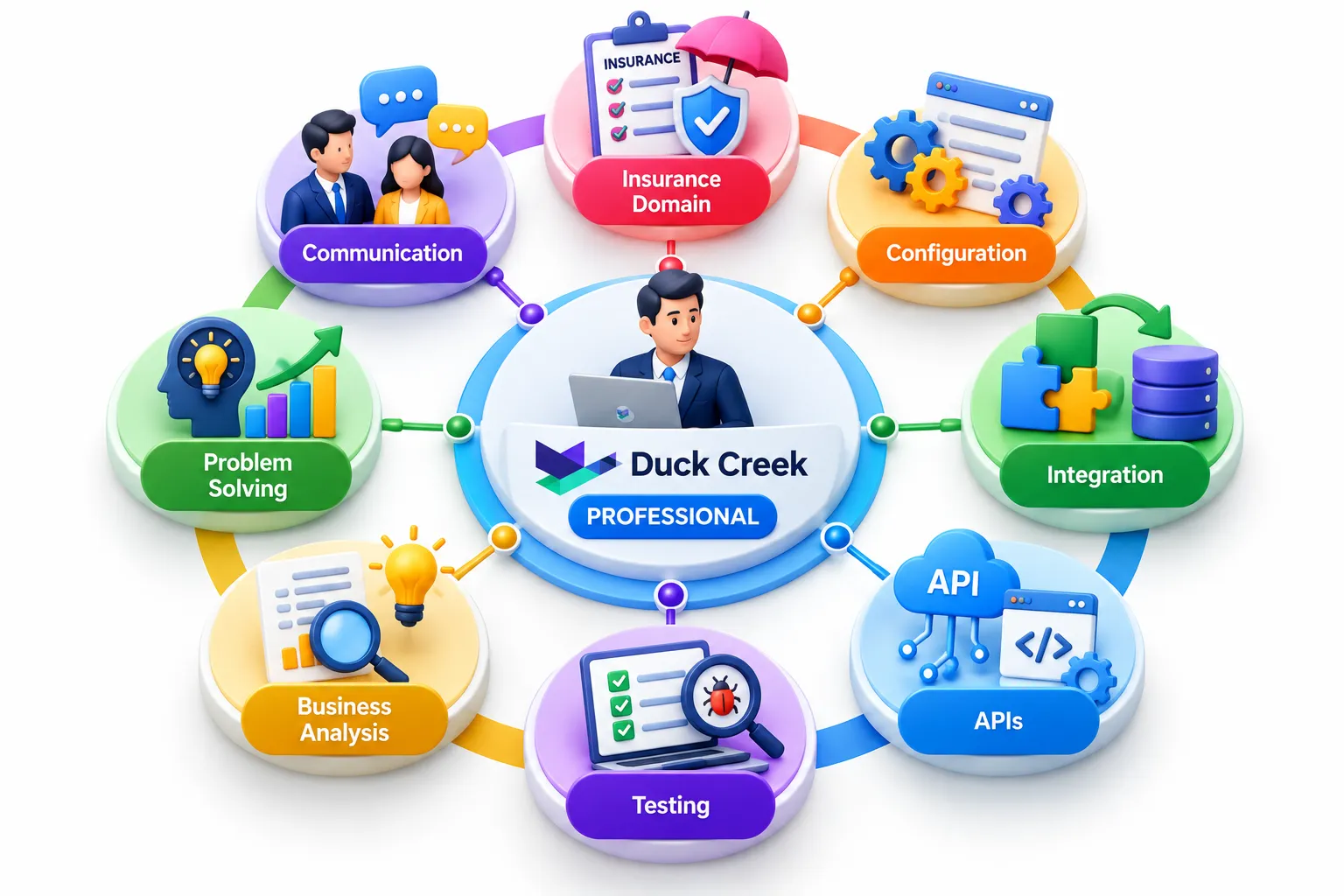
A Duck Creek professional generally benefits from a combination of technology skills and insurance-domain knowledge.
Important skills can include:
Insurance Domain Knowledge
Understanding concepts such as policies, premiums, underwriting, claims, rating, billing, endorsements, and renewals provides a strong foundation.
Business Analysis
Business analysts and functional professionals need to understand requirements and convert business needs into clear functional specifications.
Configuration
Configuration skills help professionals understand how insurance applications can be adapted according to business requirements.
Integration
Modern insurance platforms rarely work in isolation. Understanding APIs, data exchange, and system integration can therefore be valuable.
Testing
Professionals should understand how to test configurations, workflows, integrations, and business scenarios.
Problem Solving
Implementation projects often involve unexpected requirements and technical or functional issues. Strong analytical thinking helps professionals identify practical solutions.
Communication
Duck Creek projects typically involve collaboration between business users, developers, analysts, testers, consultants, and project managers. Clear communication is therefore an important professional skill.
What Does a Duck Creek Developer Do?
A Duck Creek Developer generally works on the technical aspects of insurance technology projects.
Depending on the organization and project, responsibilities may include:
- Understanding technical requirements
- Supporting configuration
- Developing or modifying solutions
- Working with integrations
- Troubleshooting technical issues
- Supporting testing
- Working with functional teams
- Documenting technical changes
A developer who understands insurance processes can often communicate more effectively with functional and business teams.
What Does a Duck Creek Business Analyst Do?
A Duck Creek Business Analyst acts as a bridge between business requirements and technology teams.
The role may involve:
- Speaking with stakeholders
- Understanding insurance processes
- Gathering requirements
- Documenting requirements
- Identifying process gaps
- Creating functional specifications
- Supporting solution discussions
- Coordinating with development teams
- Supporting testing activities
For this career path, insurance-domain knowledge can be just as important as technical understanding.
What Is Duck Creek Implementation?
Duck Creek implementation means configuring and deploying the technology according to the specific requirements of an insurance organization.
A typical implementation journey can involve:
Requirement Analysis → Process Understanding → Solution Design → Configuration → Integration → Testing → Deployment → Support
Each stage requires collaboration between different teams. For example, business analysts may define requirements, functional consultants may translate them into platform configurations, developers may handle technical requirements, and testers may validate the solution. This is why practical implementation knowledge can be valuable for professionals looking to build a long-term career in insurance technology.
What Is Duck Creek Certification?
CCertification is one way professionals can demonstrate knowledge of a particular technology area or product specialization. Duck Creek certification can help professionals validate their understanding of Duck Creek technologies and strengthen their professional profile. Instead of approaching certification as the first step, beginners should ideally build a strong foundation first. A useful learning sequence can be:
Insurance Fundamentals → Duck Creek Concepts → Module Knowledge → Practical Scenarios → Advanced Skills → Certification Preparation
The right certification path can depend on a person's role and specialization. Someone interested in policy may follow a different learning direction from a professional interested in claims, billing, or technical implementation.
Is Duck Creek a Good Career Choice?
Duck Creek can be a promising specialization for professionals interested in the combination of insurance and enterprise technology.
It can be particularly relevant for people who want to work in areas such as:
- Insurance technology
- Enterprise software
- Digital transformation
- Software implementation
- Business analysis
- Technology consulting
- Configuration
- Integration
- Application support
The career potential also depends on factors such as technical skills, insurance knowledge, project experience, specialization, communication skills, and the ability to adapt to changing technologies. With the growing adoption of automation, cloud platforms, analytics, and AI, professionals who combine domain expertise with technology skills can build a stronger profile.
What Career Opportunities Are Available in Duck Creek?
Duck Creek-related career opportunities can vary according to technical experience and insurance knowledge.
Possible career roles include:
- Duck Creek Developer
- Duck Creek Functional Consultant
- Duck Creek Technical Consultant
- Duck Creek Business Analyst
- Duck Creek Implementation Consultant
- Insurance Technology Consultant
- QA/Test Analyst
- Integration Specialist
- Solution Consultant
- Application Support Professional
Beginners do not necessarily need to master every area. A better approach is to choose a specialization and gradually develop deeper expertise.
Who Should Learn Duck Creek?
Duck Creek can be relevant to several groups of professionals.
Freshers
Freshers can start with insurance fundamentals, basic technology concepts, and an understanding of the Duck Creek ecosystem.
IT Professionals
Developers, testers, database professionals, integration specialists, and application support professionals can explore Duck Creek as an insurance technology specialization.
Business Analysts
Business analysts can combine their requirements-gathering skills with insurance-domain knowledge.
Insurance Professionals
People already working in insurance can strengthen their technology skills and understand how modern insurance platforms support business operations.
Career Switchers
Professionals looking for a transition into enterprise insurance technology can combine their existing experience with Duck Creek-specific knowledge.
How to Start Learning Duck Creek?
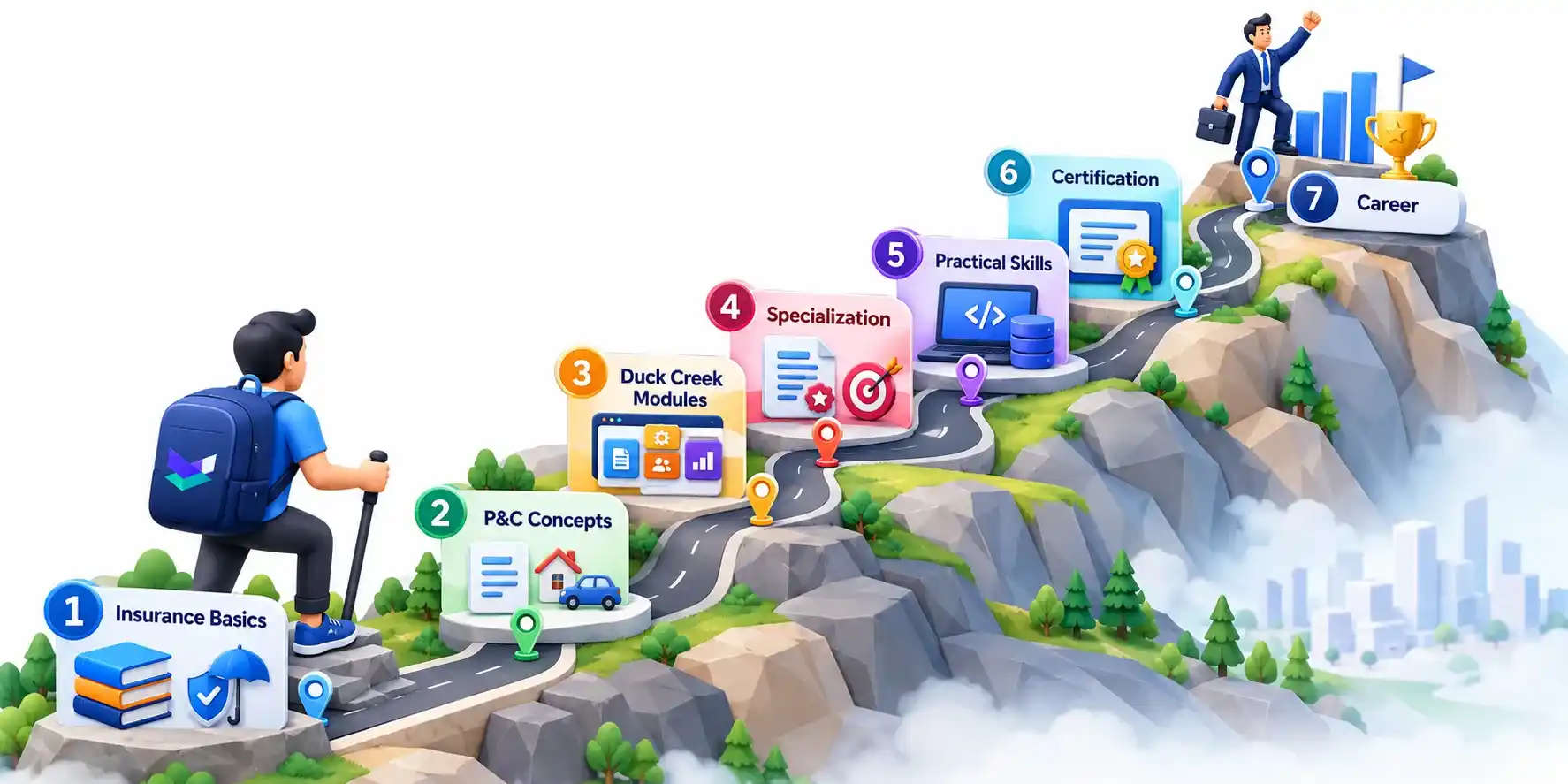
If you are new to Duck Creek, following a structured learning path can make the process easier.
Step 1: Learn Insurance Basics
Start with fundamental concepts such as policies, coverage, premiums, claims, underwriting, rating, billing, and renewals.
Step 2: Understand P&C Insurance
Learn how property and casualty insurance works and how different business processes connect.
Step 3: Explore Duck Creek Modules
Understand the purpose of Policy, Rating, Billing, and Claims before selecting a specialization.
Step 4: Choose a Career Direction
Decide whether you are more interested in:
- Development
- Functional consulting
- Business analysis
- Implementation
- Testing
- Integration
Step 5: Develop Practical Skills
Theory alone is not enough for enterprise technology careers. Practice business scenarios, configuration concepts, workflows, requirements, and implementation situations.
Step 6: Build Domain Knowledge
Continue improving your understanding of real insurance processes while developing technology skills.
Step 7: Explore Certification
Once you have a solid foundation, certification can become part of your professional development plan.
Step 8: Prepare for Career Opportunities
Build a portfolio of relevant skills, practice interview questions, improve your technical communication, and understand how your specialization fits into an actual insurance implementation.
Duck Creek and the Future of Insurance Technology
The insurance technology landscape is moving toward more connected applications, cloud adoption, automation, data-driven processes, and AI-assisted decision support. This means the future Duck Creek professional may need more than knowledge of one application or module.
A broader skill set could include:
- Insurance domain knowledge
- Duck Creek platform knowledge
- Cloud concepts
- APIs and integrations
- Data understanding
- Automation
- AI fundamentals
- Business analysis
- Testing
- Problem-solving
The combination of domain expertise + technology knowledge + practical implementation skills can become increasingly valuable as insurance organizations continue their digital transformation.
Frequently Asked Questions About Duck Creek
Q: What is Duck Creek used for?
Ans: Duck Creek is used to support technology-driven insurance processes such as policy management, rating, billing, claims, and related insurance workflows.
Q: What are the main Duck Creek modules?
Ans: Important areas include Policy, Rating, Billing, and Claims. Professionals can choose a specialization depending on their career goals and project requirements.
Q: Is Duck Creek only for insurance professionals?
Ans: No. IT professionals, developers, testers, business analysts, consultants, and freshers can explore Duck Creek by first developing an understanding of insurance concepts.
Q: Does Duck Creek involve coding?
Ans: The amount of coding depends on the role. Technical professionals may need stronger development and integration skills, while functional professionals may focus more on configuration, business processes, and requirements.
Q: Is Duck Creek suitable for freshers?
Ans: Freshers can learn Duck Creek, but starting with insurance fundamentals and basic technology concepts can make the learning journey easier.
Q: What skills are useful for a Duck Creek Developer?
Ans: Useful skills can include programming fundamentals, configuration, integration, APIs, testing, troubleshooting, and insurance-domain knowledge.
Final Thoughts
Duck Creek sits at the intersection of insurance and enterprise technology, making it an interesting domain for professionals who want to work on digital insurance solutions. Understanding the platform starts with learning how insurance works. From there, learners can explore Policy, Rating, Billing, Claims, implementation, configuration, integration, and emerging technologies such as AI and automation. For career development, there is no need to learn everything at once. Start with the fundamentals, choose a specialization, develop practical skills, and gradually build deeper expertise. Whether your goal is to become a Duck Creek Developer, Business Analyst, Functional Consultant, Technical Consultant, or Implementation Professional, a combination of insurance knowledge and technology skills can give you a stronger foundation for working in modern insurance technology.





 +91-8882178896
 +1 (343) 477-0926