Microsoft Fabric in 2026: Everything You Need to Know
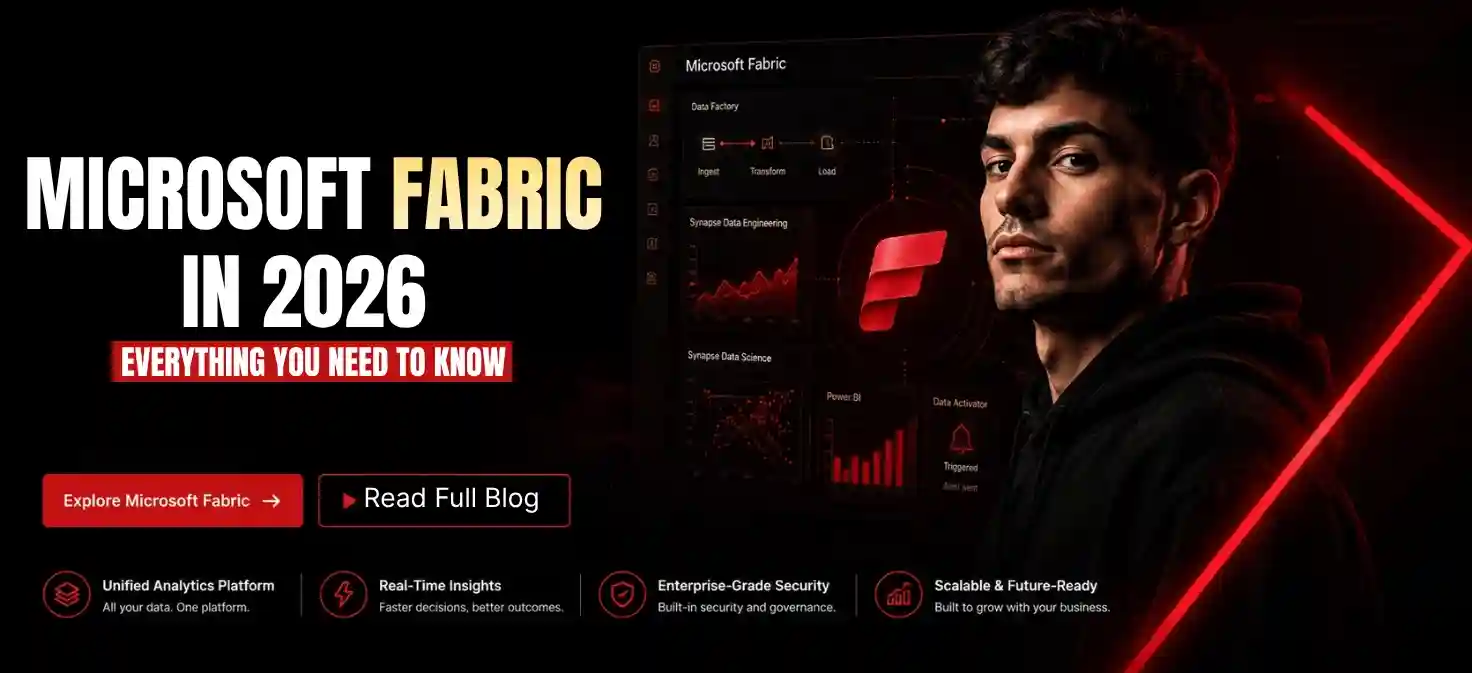
Microsoft Fabric Training has quickly become one of the leading unified analytics platforms in the Microsoft ecosystem. As businesses adopt cloud technologies and AI-driven analytics, the demand for a platform that simplifies data management continues to grow. Microsoft Fabric brings together data engineering, data integration, business intelligence, data science, and real-time analytics in one cloud-based solution.
In 2026, organizations across industries are using Microsoft Fabric to improve collaboration, streamline data workflows, and make faster business decisions. This growing adoption has increased the demand for skilled professionals, leading many learners to enroll in Microsoft Fabric Training in India and DP-600 Training to gain practical skills and earn Microsoft certification.
What is Microsoft Fabric Training (DP-600)?
.webp)
Microsoft Fabric Analytics Engineer Associate Training helps learners build the skills needed to work with Microsoft's unified data and analytics platform. Microsoft Fabric brings together data integration, data engineering, data warehousing, business intelligence, data science, and real-time analytics into a single cloud-based environment, allowing organizations to manage the complete data lifecycle from one platform.
Built on Microsoft's trusted cloud infrastructure, Microsoft Fabric uses OneLake as a centralized data lake, enabling teams to store, access, and analyze data efficiently while improving collaboration and governance. The platform also integrates seamlessly with Power BI, Azure, Microsoft 365, and Copilot, making it a preferred choice for modern data analytics.
Why Microsoft Fabric Matters in 2026
The demand for modern analytics platforms continues to grow as organizations generate massive amounts of business data every day. Companies need a solution that not only stores data but also transforms it into meaningful insights that support better decision-making. Microsoft Fabric has become one of the leading platforms because it combines every stage of the analytics process into a unified environment.
Unified Analytics Platform
AI-Powered Insights
OneLake for Centralized Data
Better Collaboration
Enterprise-Grade Security
Growing Career Opportunities
Key Components of Microsoft Fabric
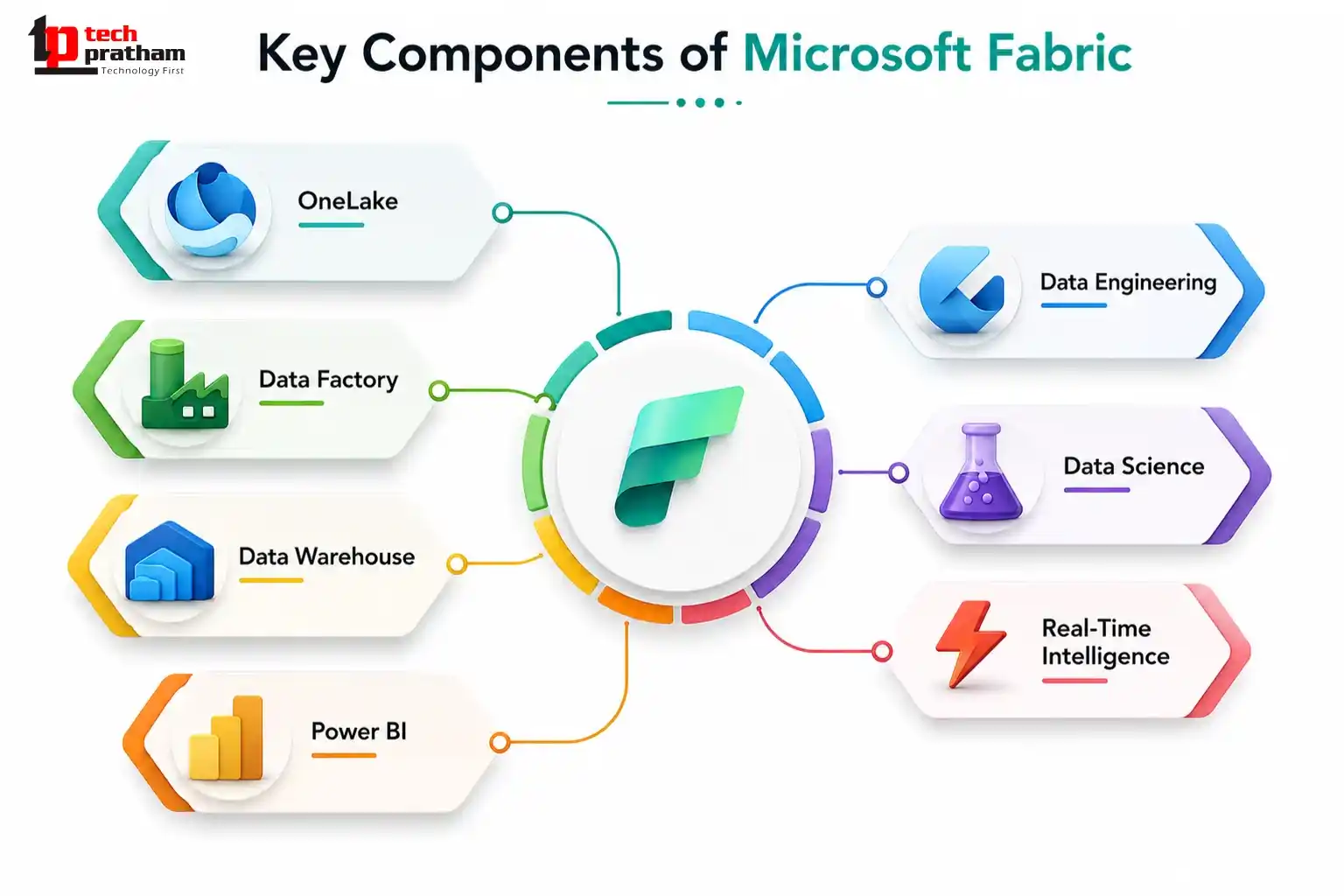
Microsoft Fabric is designed as a unified analytics platform where different workloads work together seamlessly. Instead of switching between multiple tools, users can manage data integration, engineering, analytics, reporting, and machine learning within a single environment. Understanding these components is essential for anyone planning to build a career through Microsoft Fabric Training in India or preparing for DP-600 Training.
1. OneLake
OneLake is the foundation of Microsoft Fabric. It serves as a centralized data lake where all organizational data is stored, managed, and shared across different workloads. Unlike traditional systems that require separate storage for different departments, OneLake provides a single source of truth. This eliminates data duplication, improves collaboration, and ensures that everyone works with the most up-to-date information.
Key Benefits of OneLake
- Centralized data storage
- Easy data sharing across teams
- Reduced storage costs
- Improved governance and security
- Better collaboration between departments
2. Data Factory
Data Factory is Microsoft Fabric's data integration service that helps organizations collect and prepare data from multiple sources. Whether the data comes from cloud applications, databases, APIs, or on-premises systems, Data Factory simplifies the process of moving and transforming it.
Common Use Cases
- Data migration
- Automated data pipelines
- Data synchronization
- Workflow automation
- Cloud and on-premises integration
3. Data Engineering
The Data Engineering workload enables data engineers to process large datasets efficiently using Apache Spark. It provides notebooks, Lakehouse architecture, and distributed computing capabilities for building scalable data pipelines. Data engineers can clean, transform, and prepare raw data before making it available for analytics and reporting.
Key Features
- Apache Spark integration
- Lakehouse architecture
- Data transformation
- Pipeline automation
- Big data processing
4. Data Warehouse
Microsoft Fabric includes a cloud-native data warehouse that allows businesses to store and analyze structured data at scale. Since it supports SQL-based querying, database professionals can easily build reports, dashboards, and business intelligence solutions without learning entirely new technologies. Organizations commonly use the Data Warehouse workload for financial reporting, customer analytics, operational reporting, and enterprise data management.
Benefits
- High-performance SQL queries
- Scalable cloud architecture
- Simplified data management
- Integration with Power BI
- Enterprise reporting
Microsoft Fabric also includes Data Science, Real-Time Intelligence, and Power BI to support advanced analytics and business intelligence. Data Science enables users to build and deploy machine learning models using Python and AI tools. Real-Time Intelligence processes streaming data from IoT devices and business applications, helping organizations monitor live events and make faster decisions. Power BI allows users to create interactive dashboards and reports using trusted data from OneLake, making it easier to visualize insights and share them securely across teams.
Top Features of Microsoft Fabric
Microsoft Fabric brings together data engineering, data integration, data warehousing, data science, real-time analytics, and business intelligence into a single unified platform. Instead of managing multiple tools, organizations can handle the complete data lifecycle from one workspace, improving collaboration and operational efficiency.
- Unified Analytics Platform
- AI-Powered Copilot
- OneLake Integration
- Enterprise Security & Governance
- Seamless Microsoft Ecosystem Integration
- Scalable Cloud Infrastructure
- Low-Code & No-Code Experience
- Built-in Data Engineering & Data Warehousing
- Real-Time Analytics
- Interactive Power BI Integration
Microsoft Fabric vs. Traditional Data Platforms
Choosing the right analytics platform is essential for any organization. While traditional platforms often require multiple independent services, Microsoft Fabric simplifies analytics by providing everything within a single environment.
Feature | Microsoft Fabric
| Traditional Data Platforms
|
Platform
| Unified SaaS solution
| Multiple separate tools |
Data Storage
| OneLake
| Multiple storage systems
|
Data Integration
| Built-in Data Factory
| Separate ETL solutions |
Data Warehouse
| Integrated
| Separate warehouse platform |
Business Intelligence
| Native Power BI integration
| Third-party BI tools
|
AI Capabilities | Built-in Copilot and AI features
| Limited or external AI integration
|
Collaboration
| Shared workspace
| Multiple disconnected environments
|
Governance
| Centralized
| Tool-specific governance
|
Scalability
| Automatic cloud scaling
| Depends on infrastructure
|
Maintenance
| Simplified
| Higher operational overhead
|
Overall, Microsoft Fabric offers a more streamlined experience by reducing complexity, improving collaboration, and enabling organizations to manage the complete data lifecycle from a single platform.
Industries Using Microsoft Fabric
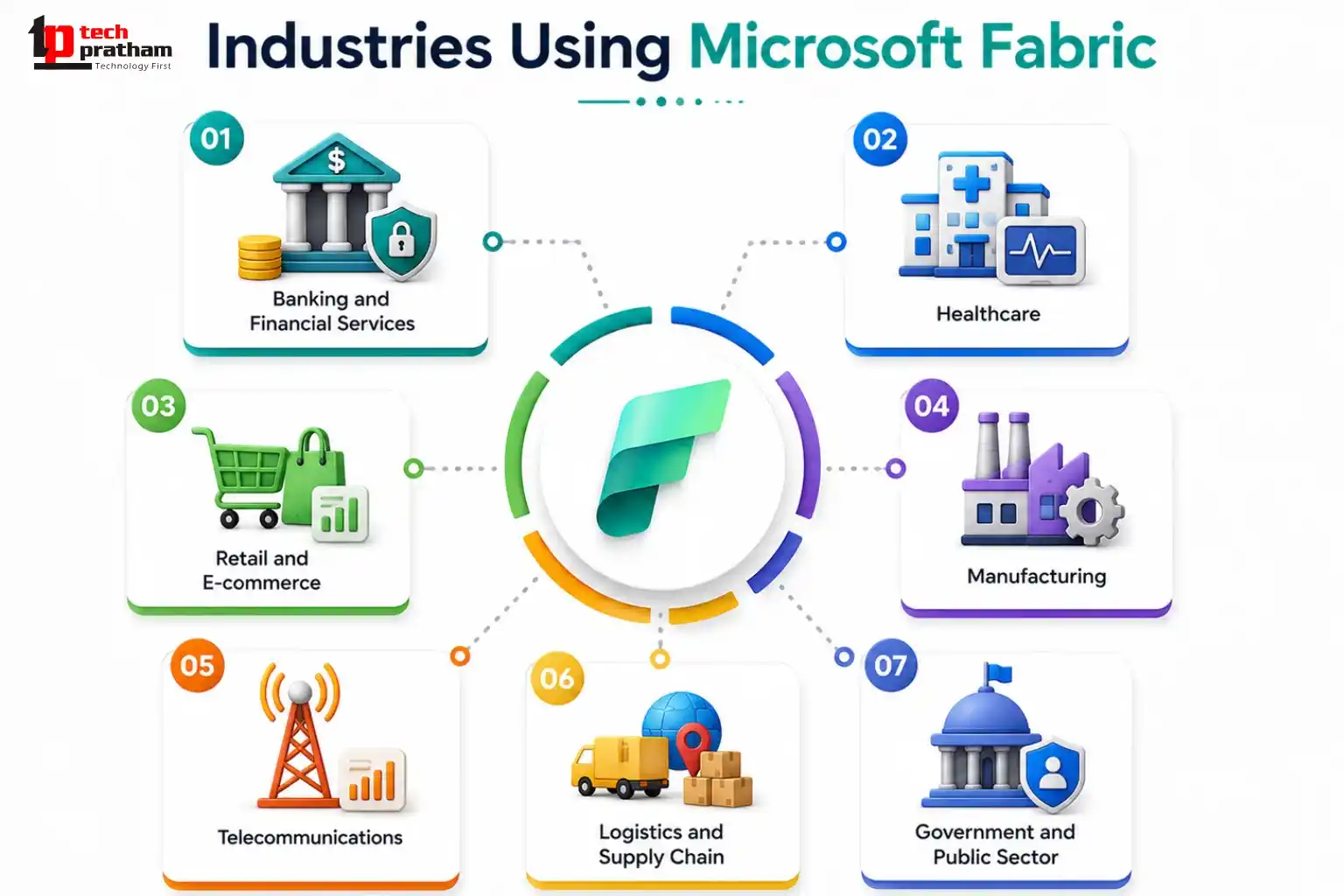
Microsoft Fabric is widely adopted across industries because it helps organizations manage data, generate real-time insights, and make informed business decisions from a single platform. Sectors such as banking and financial services, healthcare, retail and e-commerce, manufacturing, telecommunications, logistics and supply chain, and government use Microsoft Fabric to improve operational efficiency, enhance customer experiences, optimize business processes, and support AI-driven analytics.
As adoption continues to grow, the demand for skilled professionals is also increasing, making Microsoft Fabric Training in India an excellent choice for individuals looking to build a career in data analytics, cloud computing, and business intelligence.
Career Opportunities After Learning Microsoft Fabric
The increasing adoption of Microsoft Fabric has created a wide range of career opportunities in cloud computing, business intelligence, and data analytics. Organizations are actively looking for professionals who can design, manage, and optimize modern analytics solutions.
After completing Microsoft Fabric Training in India, you can explore roles such as:
- Microsoft Fabric Developer
- Data Engineer
- Data Analyst
- Business Intelligence (BI) Developer
- Analytics Engineer
- Data Warehouse Developer
- Cloud Data Engineer
- Microsoft Azure Data Engineer
- Data Architect
- Analytics Consultant
These roles are available across IT services, consulting firms, financial institutions, healthcare organizations, retail companies, manufacturing businesses, and government sectors.
Professionals who combine practical skills with DP-600 Training and Microsoft certification often have an advantage during recruitment because they can demonstrate validated expertise in Microsoft Fabric.
Why Choose Microsoft Fabric Training in India?
With organizations rapidly adopting Microsoft Fabric, structured learning has become essential for building practical skills. Enrolling in Microsoft Fabric Training in India allows learners to gain hands-on experience with real-world projects while preparing for industry-recognized certifications.
A quality training program should include both theoretical knowledge and practical implementation so that learners are job-ready from day one.
Benefits of Microsoft Fabric Training in India
- Comprehensive curriculum covering all Microsoft Fabric workloads
- Hands-on learning through real-world projects
- Expert guidance from industry professionals
- Preparation for the DP-600 Certification exam
- Flexible learning options (online, weekend, and self-paced)
- Practical experience with OneLake, Power BI, and Data Factory
- Resume building and interview preparation
- Placement assistance and career support
- Industry-recognized skills for data analytics and cloud roles
- Better job opportunities and career growth in Microsoft technologies
Whether you're a beginner or an experienced IT professional, investing in Microsoft Fabric Training in India can significantly improve your career prospects in the growing field of data analytics.
Skills You'll Gain from Microsoft Fabric Training in India
To build a successful career in Microsoft Fabric, it's important to develop both technical knowledge and practical problem-solving skills.Some of the most valuable skills include:
- SQL and database fundamentals
- Data modeling
- ETL and ELT concepts
- Data Engineering
- Data Warehousing
- Power BI reporting
- Apache Spark basics
- Python for data analytics
- Cloud computing fundamentals
- Microsoft Azure basics
- OneLake architecture
- Data governance and security
- Business intelligence concepts
- Analytics solution design
Mastering these skills through practical projects and structured learning will help you work confidently with enterprise-level data solutions.
How to Start Learning Microsoft Fabric
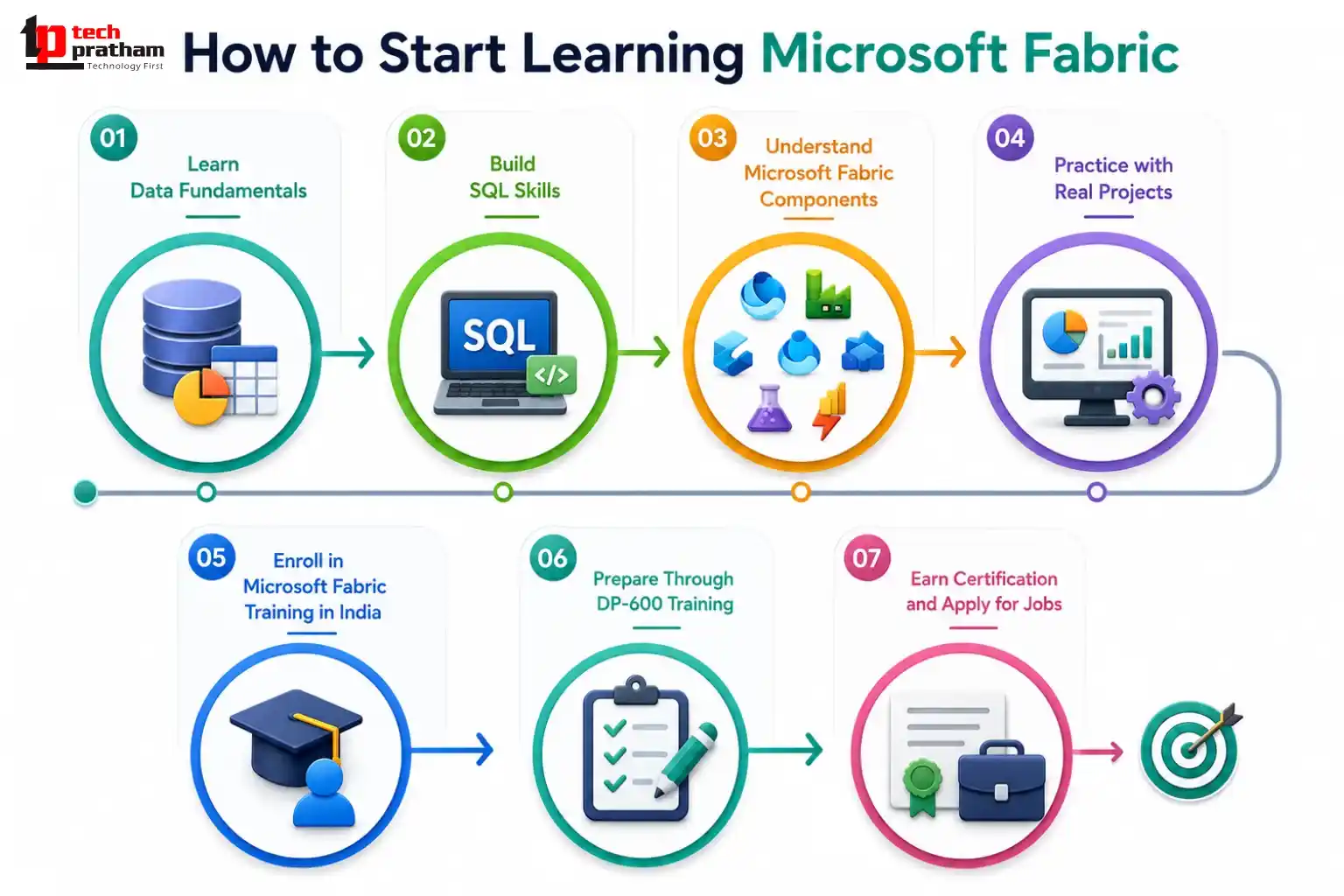
If you're new to Microsoft Fabric, following a structured learning approach can help you build a strong foundation and prepare for certification and career opportunities. Start by learning the basics of databases, SQL, data modeling, and business intelligence. Once you're familiar with the fundamentals, explore the core Microsoft Fabric components, including OneLake, Data Factory, Data Engineering, Data Warehouse, Data Science, Real-Time Intelligence, and Power BI.
Frequently Asked Questions
What is Microsoft Fabric used for?
Who should join Microsoft Fabric Training in India?
What is DP-600 Training?
How long does it take to learn Microsoft Fabric?
Conclusion
Microsoft Fabric has become one of the leading unified data and analytics platforms, helping organizations simplify data management, improve collaboration, and generate faster business insights. As adoption continues to grow, the demand for skilled professionals is increasing across industries.





 +91-8882178896
 +1 (343) 477-0926