














CoursesAI for Company
AI for Operations
AI for Company

AI for Operations

Learn how AI, Generative AI, predictive analytics, and automation transform business operations through process optimization, forecasting, analytics, and data-driven decisions.

5/5(4,890 Reviews)

Level

Advanced

Duration

12 Weeks

Enquire This Course

About
Training Plan
Course Curriculum
New Batch
Projects
Certificate
Testimonials
FAQ
Interview FAQ

Placement Client

Accenture Logo
AWS Logo
Capgemini Logo
Deloitte Logo
Genpact Logo
HP Logo
Intel Logo
Microsoft Logo
Infosys Logo
Zoho Logo
Zelis Logo
Wipro Logo
Saint Gobain Logo
ONX Logo
Nava Logo
Infosys Logo
HCL Logo
Egon Zehnder Logo
Cognizant Logo
Bosch Logo
Bank of America Logo
Accenture Logo
AWS Logo
Capgemini Logo
Deloitte Logo
Genpact Logo
HP Logo
Intel Logo
Microsoft Logo
Infosys Logo
Zoho Logo
Zelis Logo
Wipro Logo
Saint Gobain Logo
ONX Logo
Nava Logo
Infosys Logo
HCL Logo
Egon Zehnder Logo
Cognizant Logo
Bosch Logo
Bank of America Logo

About AI for Operations

AI for Operations is a practical course designed to help professionals understand how Artificial Intelligence can be applied to modern business operations, process management, automation, forecasting, analytics, and operational decision-making. Organizations can use AI to identify process inefficiencies, automate repetitive workflows, improve demand forecasting, optimize resources, analyze operational data, detect anomalies, and support faster business decisions.

The course covers Artificial Intelligence, Machine Learning, Generative AI, predictive analytics, intelligent automation, AI-powered workflows, and decision intelligence across key operational functions. You will learn how AI can support process optimization, workflow automation, demand forecasting, supply chain and logistics, inventory planning, quality management, predictive maintenance, workforce planning, resource optimization, and operational analytics.

The course also covers practical AI adoption, including AI use-case identification, business value, implementation, AI-enabled workflows, ROI measurement, governance, security, privacy, risk, and human oversight. Generative AI and AI agents are explored through reporting, documentation, SOP creation, knowledge management, planning, and operational workflow support.

Video Thumbnail

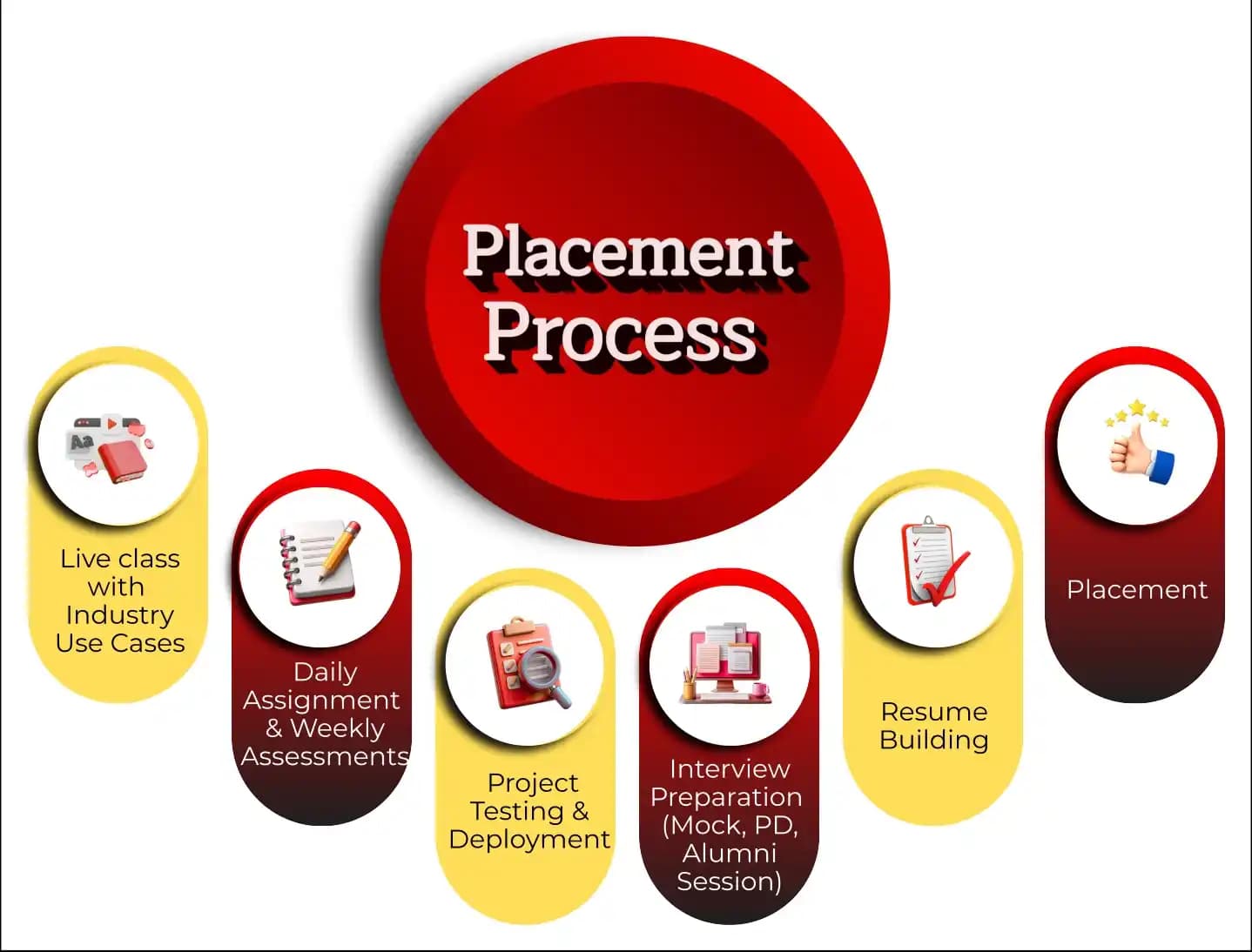
Training Plan

01
About trainer

About trainer

Working professional who is carrying more than 10 years of industry experience.

02
Decks & Updated Content

Decks & Updated Content

Access to updated presentation decks shared during live training sessions.

03
e-Book

e-Book

E-book provided by TechPratham. All rights reserved.

04
Assignments & MCQs

Assignments & MCQs

Module-wise assignments and MCQs provided for practice.

05
Video Recording

Video Recording

Daily Session would be recorded and shared to the candidate.

06
Projects

Projects

Live projects will be provided for hands-on practice.

07
Resume Building

Resume Building

Expert-guided resume building with industry-focused content support.

08
Interview Preparation

Interview Preparation

Comprehensive interview preparation with real-time scenario practice.

AI for Operations Course Curriculum

Module 1: AI Fundamentals for Operations

Understand Artificial Intelligence fundamentals and how AI technologies are being applied to modern business and operational processes.

Introduction to Artificial Intelligence
AI in Business Operations
Machine Learning Fundamentals
Generative AI Fundamentals
Large Language Models
Predictive Analytics
AI vs Traditional Automation
AI vs Data Analytics
Applications of AI in Operations
Benefits and Limitations of AI in Operations

Module 2: Operations Management Fundamentals

Build a strong foundation in operational processes, performance measurement, resource planning, and operational excellence before applying AI to business operations.

Introduction to Operations Management
Business Processes and Workflows
Operational KPIs
Productivity and Efficiency
Capacity Planning
Resource Planning
Scheduling
Inventory Fundamentals
Operational Bottlenecks
Continuous Improvement
Operational Excellence

Module 3: AI-Powered Process Optimization

Learn how AI can identify process bottlenecks, analyze workflows, discover inefficiencies, and support continuous operational improvement.

Process Analysis
Workflow Mapping
Bottleneck Identification
Root Cause Analysis
Process Optimization
Process Mining Fundamentals
AI-Assisted Process Improvement
Operational Anomaly Detection
Continuous Process Improvement
Measuring Process Performance

Module 4: Intelligent Automation and AI Workflows

Explore how AI and intelligent automation can transform repetitive operational activities, workflows, documentation, and business processes.

Introduction to Intelligent Automation
Rule-Based Automation vs AI Automation
Robotic Process Automation
AI-Assisted Workflows
Document Processing
Data Extraction and Classification
Automated Reporting
Workflow Orchestration
Human-in-the-Loop Automation
Identifying Automation Opportunities

Module 5: AI for Demand Forecasting and Planning

Understand how AI and predictive analytics can support demand forecasting, capacity planning, scenario analysis, and operational planning.

Fundamentals of Demand Forecasting
Historical Data Analysis
Time-Series Fundamentals
AI-Based Forecasting
Demand Sensing
Forecast Accuracy
Seasonal Demand Patterns
Capacity Forecasting
Scenario Planning
AI-Assisted Operational Planning

Module 6: AI for Supply Chain and Logistics

Learn how AI can improve supply chain visibility, inventory planning, procurement, logistics, supplier analysis, and operational risk management.

AI in Supply Chain Management
Inventory Optimization
Demand and Supply Planning
Procurement Analytics
Supplier Analysis
Supplier Risk Detection
Logistics Optimization
Route Optimization
Delivery Planning
Supply Chain Risk Management
AI-Powered Supply Chain Visibility

Module 7: AI for Quality Management and Predictive Maintenance

Explore how AI can support quality monitoring, anomaly detection, equipment monitoring, predictive maintenance, and operational reliability.

AI in Quality Management
Quality Monitoring
Defect Detection
Anomaly Detection
Predictive Maintenance Fundamentals
Equipment Failure Prediction
Maintenance Planning
AI-Based Monitoring
Operational Reliability
Quality and Maintenance Analytics

Module 8: AI for Workforce and Resource Optimization

Understand how AI can support workforce planning, scheduling, resource allocation, workload analysis, and productivity improvement.

Workforce Planning
AI-Based Scheduling
Resource Allocation
Capacity Optimization
Workforce Demand Forecasting
Productivity Analysis
Skill and Resource Matching
Operational Workload Analysis
AI-Assisted Workforce Decisions
Human-AI Collaboration

Module 9: Operational Analytics and Decision Intelligence

Learn how AI-powered analytics can transform operational data into actionable insights and support better business decisions.

Operational Data Fundamentals
KPI Analysis
Operational Dashboards
Trend Analysis
Predictive Analytics
Anomaly Detection
Root Cause Analysis
AI-Assisted Reporting
Decision Support Systems
Scenario Analysis
Data-Driven Decision Making

Module 10: Generative AI for Operations

Learn practical applications of Generative AI for operational reporting, documentation, planning, knowledge management, and workflow support.

Introduction to Generative AI for Operations
Prompt Engineering for Operations
AI-Assisted Reporting
SOP Creation and Documentation
Operational Knowledge Management
Meeting and Action-Item Summaries
AI-Assisted Planning
AI for Business Communication
Operational Data Interpretation
Generative AI Workflow Design
Validating AI-Generated Outputs

Module 11: AI Agents and Intelligent Operational Workflows

Understand how AI agents and agentic workflows can support multi-step operational tasks while maintaining appropriate human oversight.

Introduction to AI Agents
AI Agents vs Chatbots
Agentic Workflows
Multi-Step Task Automation
AI-Assisted Decision Workflows
Human Approval Workflows
AI Agents for Operational Tasks
Workflow Monitoring
Agent Reliability
Human Oversight

Module 12: AI Risk, Governance and Implementation

Learn how organizations can evaluate, implement, govern, and measure AI initiatives in operational environments.

Identifying AI Use Cases
AI Readiness Assessment
Use Case Prioritization
AI Business Case
Cost-Benefit Analysis
Measuring AI ROI
AI Implementation Roadmap
Change Management
AI Adoption
Data Privacy
AI Security
AI Governance
Risk Management
Human Oversight
Continuous Improvement

AI for Company Courses

No related courses found

Additional Program Highlights

Learning Materials

Comprehensive study materials and resources

HD
Resume Writing

Professional resume building session

HD
Interview Preparation

Master your interview skills

HD
Live Project Demo

Real-world project demonstrations

HD

Upcoming Batches

Can't find a batch you were looking for?

Who Should Take This AI for Operations Course?

IT Professionals

Non-IT Career Switchers

Fresh Graduates

Career Opportunities After Learning AI for Operations

Operations Analyst

Business Operations Analyst

Operations Manager

Key Projects

AI for Operations Projects

WNS

WNSAI Workflow Optimization


Scenario: A service team used AI to reduce repetitive operational tasks, improve workflow visibility, and support faster daily decision-making.

Live Work:

  • Mapped repetitive workflows
  • Identified AI automation use cases
  • Defined operational KPIs
Outcome: Faster workflows and better visibility
Unilever

UnileverDemand Forecasting for Operations


Scenario: A business team needed better demand visibility to improve planning, reduce forecasting gaps, and support more efficient resource allocation.

Live Work:

  • Reviewed historical demand data
  • Identified forecasting patterns
  • Built an AI forecasting approach
Outcome: Improved planning and forecast visibility
Tata Motors

Tata MotorsPredictive Maintenance Planning


Scenario: An operations team wanted to use AI insights to detect equipment risks early and improve maintenance planning, uptime, and resource utilization.

Live Work:

  • Analyzed equipment performance data
  • Identified failure patterns
  • Designed predictive maintenance workflow
Outcome: Reduced downtime risk
Accenture

AccentureAI-Powered Operations Analytics


Scenario: A business operations team needed faster insights from operational data to identify bottlenecks, monitor KPIs, and improve process performance.

Live Work:

  • Analyzed operational KPI data
  • Detected process bottlenecks
  • Created AI insight workflow
Outcome: Faster insights and better decisions
Mobile Banner

Latest HiringNEW

No hiring posts

Recently Placed Candidates

No placements available

Latest HiringNEW

No hiring posts

Our Success Mantra

Commitment Icon
Commitment

  • Ensuring quality training every day

Commitment Icon
Fulfillment

  • Meeting learning goals with confidence

Commitment Icon
Accomplishment

  • Students achieving industry-ready expertise

Our Learner Voice

Loading reviews...

Student review testimonial

Beyond Courses:

Additional Support We Provide

24/7 Support

LinkedIn Profile

Resume Writing

Alumni Sessions

Interview Preparation

Live Projects

What is an AI for Operations course?

How is AI used in operations?

What are the benefits of AI in operations?

What is the difference between AI for Operations and AIOps?

Do I need programming knowledge to learn AI for Operations?

How can Generative AI help operations teams?

How can AI improve business operations?

What is the difference between AI and automation in operations?

What are common AI use cases in operations?

How would you identify an AI use case in an organization?

What factors should be considered before implementing AI in operations?

How can AI improve operational efficiency?

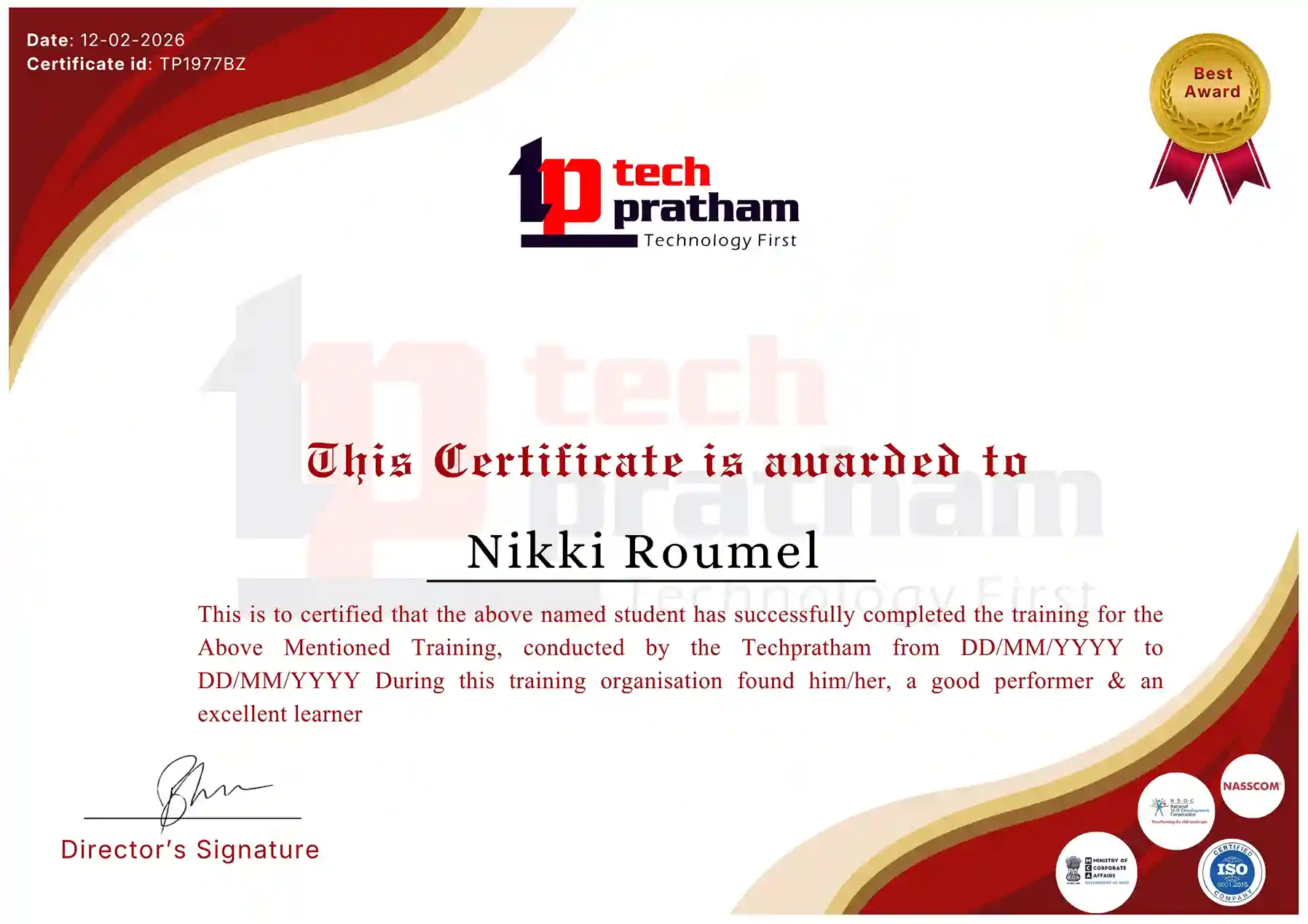
AI for Operations Certification

The AI for Operations Certification recognizes an organisation's understanding of the practical application of Artificial Intelligence across modern business operations. It covers key areas such as process optimization, intelligent automation, demand forecasting, operational analytics, resource planning, workflow improvement, Generative AI, and AI-powered decision-making. The certification demonstrates an organisation's understanding of how AI can be evaluated and applied to improve operational efficiency, productivity, process performance, and data-driven decision-making while considering implementation, governance, risk, and human oversight.

Industry-Recognized Certification

Certificate
AI for Operations Certification

News Highlights

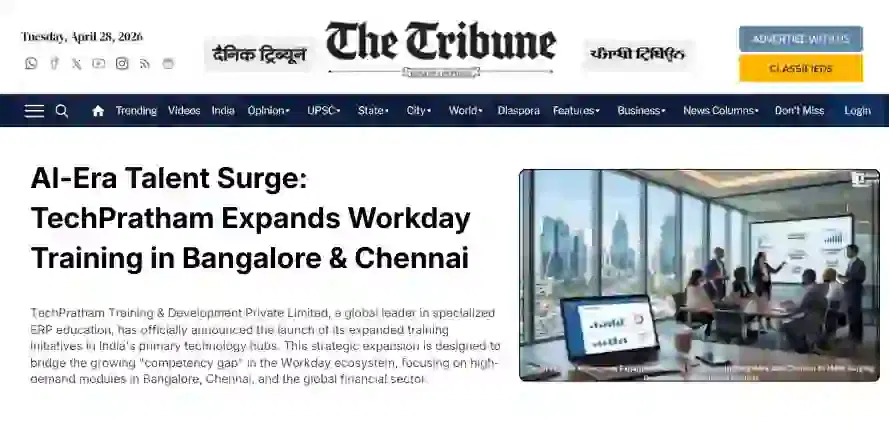
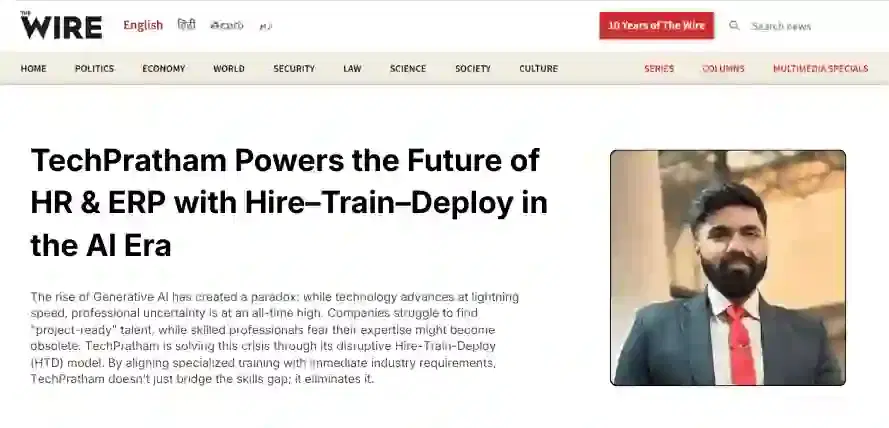
TechPratham Introduces Hire-Train-Deploy Model to Transform HR & ERP Talent in the AI Era
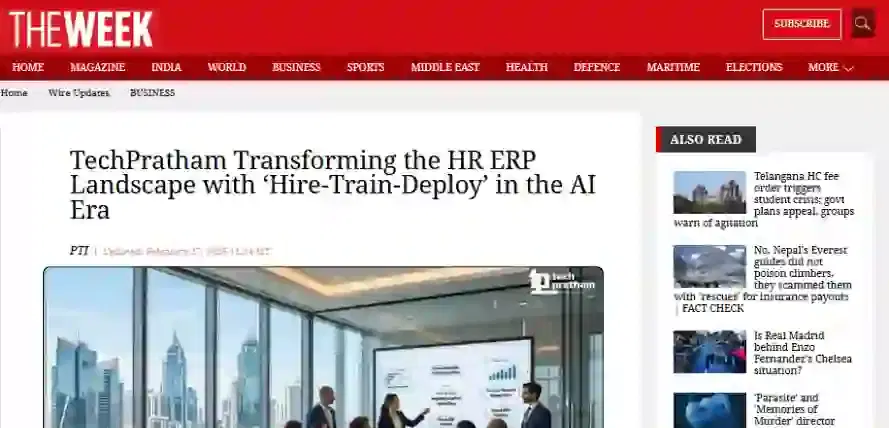
TechPratham Empowering Future Professionals Through AI-Focused HR & ERP Training

Featured In

Featured Logo 1Featured Logo 2Featured Logo 3Featured Logo 4Featured Logo 5Featured Logo 6Featured Logo 7Featured Logo 8Featured Logo 9Featured Logo 10Featured Logo 11Featured Logo 12
TechPratham Gains Recognition for Bridging the HR & ERP Skills Gap with Hire-Train-Deploy
TechPratham's Hire-Train-Deploy Approach Reshaping HR & ERP Careers in the AI-Driven Industry
India Flag

India

Head Office

G-31, 1st Floor, Sector-3, Noida - 201301

India Flag+91-8882178896
WhatsApp
USA Flag+1 (343) 477-0926
WhatsApp
India Flag

India

Noida Office

B-24, Sector-1, Noida, Uttar Pradesh - 201301

India Flag+91-8882178896
WhatsApp
USA Flag+1 (343) 477-0926
WhatsApp
India Flag

India

Hyderabad Office

LVS Arcade, 6th Floor, Hitech City, Hyderabad

India Flag+91-8882178896
WhatsApp
USA Flag+1 (343) 477-0926
WhatsApp