

















Start typing to search courses...

Type in the search box to find courses
CoursesData Engineering
Big Data Engineering
Data Engineering

Big Data Engineering

Build practical skills in Big Data Engineering with Hadoop, Spark, PySpark, Kafka, Python, and SQL. This Big Data Engineering Course covers distributed data processing, batch and real-time workloads, Big Data technologies, cloud concepts, performance optimization, and hands-on projects designed around large-scale data environments.

5/5(4,890 Reviews)

Level

Advanced

Duration

8 Weeks

Enquire This Course

About
Training Plan
Course Curriculum
New Batch
Projects
Certificate
Testimonials
FAQ
Interview FAQ

Placement Client

Accenture Logo
AWS Logo
Capgemini Logo
Deloitte Logo
Genpact Logo
HP Logo
Intel Logo
Microsoft Logo
Infosys Logo
Zoho Logo
Zelis Logo
Wipro Logo
Saint Gobain Logo
ONX Logo
Nava Logo
Infosys Logo
HCL Logo
Egon Zehnder Logo
Cognizant Logo
Bosch Logo
Bank of America Logo
Accenture Logo
AWS Logo
Capgemini Logo
Deloitte Logo
Genpact Logo
HP Logo
Intel Logo
Microsoft Logo
Infosys Logo
Zoho Logo
Zelis Logo
Wipro Logo
Saint Gobain Logo
ONX Logo
Nava Logo
Infosys Logo
HCL Logo
Egon Zehnder Logo
Cognizant Logo
Bosch Logo
Bank of America Logo

About Big Data Engineering

The Big Data Engineering Course at TechPratham is designed to build practical skills for working with large-scale data environments and distributed computing technologies. The program covers Big Data Engineering fundamentals, Hadoop, HDFS, YARN, MapReduce, Apache Spark, Spark SQL, and PySpark for distributed data processing.

You will strengthen Python and SQL skills for handling large datasets and learn how modern Big Data systems support both batch and real-time workloads. The course also covers Hive, NoSQL databases, Apache Kafka, and Spark Structured Streaming for large-scale data processing and event-driven applications.

The learning journey includes Big Data Engineering with Hadoop and Spark, cloud-based Big Data concepts, performance optimization, data quality, security, and governance. Practical projects and an end-to-end capstone help you apply these technologies to realistic Big Data scenarios.

This Big Data Engineering Training is suitable for learners and professionals looking to develop practical capabilities in modern Big Data technologies.

Video Thumbnail

Training Plan

01
About trainer

About trainer

Working professional who is carrying more than 10 years of industry experience.

02
Decks & Updated Content

Decks & Updated Content

Access to updated presentation decks shared during live training sessions.

03
e-Book

e-Book

E-book provided by TechPratham. All rights reserved.

04
Assignments & MCQs

Assignments & MCQs

Module-wise assignments and MCQs provided for practice.

05
Video Recording

Video Recording

Daily Session would be recorded and shared to the candidate.

06
Projects

Projects

Live projects will be provided for hands-on practice.

07
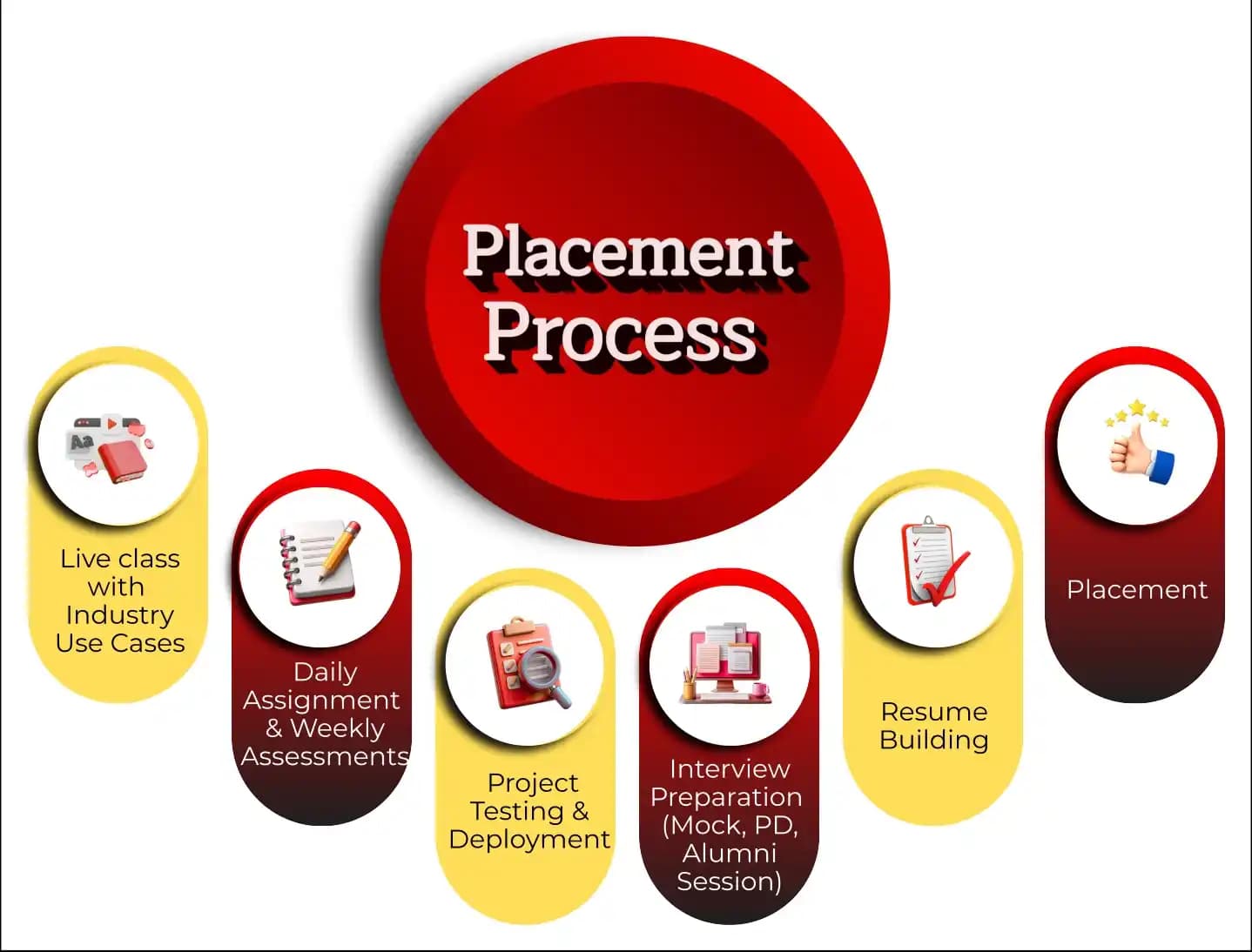
Resume Building

Resume Building

Expert-guided resume building with industry-focused content support.

08
Interview Preparation

Interview Preparation

Comprehensive interview preparation with real-time scenario practice.

Big Data Engineering Curriculum

Module 1: Big Data Engineering Fundamentals

Understand the fundamentals of Big Data Engineering, large-scale datasets, distributed computing, and the technologies used to process high-volume and high-velocity data.

Introduction to Big Data
Big Data characteristics
Big Data Engineering fundamentals
Structured, semi-structured and unstructured data
Distributed computing concepts
Scalability and fault tolerance
Big Data architecture
Batch and real-time processing
Big Data technology ecosystem
Big Data Engineering use cases

Module 2: Python and SQL for Big Data

Build the programming and database skills required to work with large datasets and Big Data processing technologies.

Python fundamentals
Python data structures
Functions and modules
File handling
Exception handling
Working with large files
Data processing with Python
SQL fundamentals
Joins and aggregations
Subqueries and CTEs
Window functions
SQL performance concepts

Module 3: Distributed Computing and Hadoop

Learn how distributed computing enables large datasets to be stored and processed across multiple machines using the Hadoop ecosystem.

Distributed computing architecture
Hadoop overview
Hadoop ecosystem
Hadoop Distributed File System
Hadoop cluster architecture
Master and worker concepts
Resource distribution
Fault tolerance
Scalability
Hadoop use cases

Module 4: HDFS, YARN and MapReduce

Explore the core Hadoop technologies used for distributed storage, resource management, and large-scale data processing.

HDFS architecture
NameNode and DataNode
Blocks and replication
HDFS commands
File permissions
YARN architecture
ResourceManager
NodeManager
MapReduce architecture
Mapper and Reducer
Shuffle and sort
MapReduce execution flow

Module 5: Hive and Big Data Storage

Learn how Hive and related Hadoop ecosystem technologies support querying, organizing, and analyzing large datasets.

Apache Hive introduction
Hive architecture
Hive tables
Managed and external tables
HiveQL
Partitions
Bucketing
Hive joins
Hive aggregations
Query optimization concepts
Data storage formats
Hadoop ecosystem storage technologies

Module 6: Apache Spark and Spark SQL

Develop a strong understanding of Apache Spark for fast distributed data processing and large-scale analytics.

Apache Spark introduction
Spark architecture
Driver and executors
Spark applications
RDD fundamentals
Transformations and actions
Lazy evaluation
DataFrames
Spark SQL
Spark execution
Partitioning
Shuffle operations
Performance optimization

Module 7: PySpark for Distributed Data Processing

Use Python with Apache Spark to process, transform, and analyze large datasets efficiently.

PySpark introduction
SparkSession
Creating DataFrames
Reading large datasets
Data cleaning
Data transformation
Filtering and aggregation
Joins in PySpark
User-defined functions
Handling missing data
Partition management
PySpark performance practices

Module 8: NoSQL Databases for Big Data

Understand NoSQL databases and their role in handling high-volume, flexible, and distributed data workloads.

NoSQL fundamentals
Relational vs NoSQL databases
Key-value databases
Document databases
Column-family databases
MongoDB concepts
HBase fundamentals
Data modeling
Distributed storage
Scalability
Replication
NoSQL use cases

Module 9: Apache Kafka and Real-Time Streaming

Learn how Kafka and streaming technologies support real-time data ingestion, event processing, and high-volume message delivery.

Real-time data processing
Apache Kafka introduction
Kafka architecture
Producers and consumers
Topics and partitions
Brokers
Consumer groups
Message delivery
Kafka offsets
Fault tolerance
Streaming use cases
Spark Structured Streaming
Event-based processing

Module 10: Big Data Processing Workflows

Understand how different Big Data technologies work together to support large-scale processing workflows from data ingestion to analysis.

Big Data processing workflow
Batch processing architecture
Real-time processing architecture
Data ingestion concepts
Processing large datasets
Hadoop and Spark integration
Kafka and Spark integration
Data transformation
Data validation
Processing formats
Workflow monitoring concepts
Big Data system troubleshooting

Module 11: Cloud Big Data, Security and Performance

Explore cloud-based Big Data environments along with performance, security, governance, and reliability practices.

Cloud concepts for Big Data
Cloud storage fundamentals
AWS Big Data concepts
Azure Big Data concepts
Google Cloud Big Data concepts
Cloud-based distributed processing
Spark performance optimization
Partition optimization
Data quality
Data governance
Access control
Big Data security
Monitoring and reliability

Module 12: End-to-End Big Data Engineering Capstone

Apply the concepts learned throughout the course to design and implement an end-to-end Big Data Engineering solution.

Project requirement analysis
Big Data architecture design
Data ingestion
Distributed processing
Hadoop implementation
Spark processing
PySpark transformations
Kafka streaming
Data validation
Performance optimization
Security considerations
Project testing
Final implementation
Project presentation

Data Engineering Courses

No related courses found

Additional Program Highlights

Learning Materials

Comprehensive study materials and resources

HD
Resume Writing

Professional resume building session

HD
Interview Preparation

Master your interview skills

HD
Live Project Demo

Real-world project demonstrations

HD

Upcoming Batches

Can't find a batch you were looking for?

Who Should Take Big Data Engineering Course?

IT Professionals

Non-IT Career Switchers

Fresh Graduates

Career Opportunities After Learning Big Data Engineering

Big Data Engineer

Big Data Developer

Hadoop Developer

Key Projects

Big Data Engineering

Walmart

Walmart – Retail Data Processing


Scenario: Process large-scale retail transaction data using Hadoop and Spark to identify trends, product patterns, and customer activity.

Live Work:

  • Process large datasets with Hadoop
  • Transform data using Spark and PySpark
  • Analyze retail patterns with Spark SQL
Outcome: Build a scalable retail data solution
WNS

WNS – Customer Event Streaming


Scenario: Build a simulated real-time streaming environment to process customer events using Kafka and Spark Structured Streaming.

Live Work:

  • Create Kafka topics for events
  • Process streams with Spark
  • Analyze incoming customer activity
Outcome: Develop real-time processing skills
Deloitte

Deloitte – Enterprise Data Analytics


Scenario: Design a Big Data solution for analyzing large enterprise datasets using Hadoop, Spark, Hive, and distributed processing concepts.

Live Work:

  • Store datasets using HDFS
  • Query datasets with Hive
  • Process analytics using Spark
Outcome: Build enterprise Big Data expertise
Accenture

Accenture – Cloud Big Data Processing


Scenario: Create a simulated cloud-based Big Data environment for processing large datasets with distributed computing technologies.

Live Work:

  • Configure cloud storage concepts
  • Process data using Spark
  • Optimize distributed workloads
Outcome: Apply cloud Big Data concepts
Mobile Banner

Latest HiringNEW

No hiring posts

Recently Placed Candidates

No placements available

Latest HiringNEW

No hiring posts

Our Success Mantra

Commitment Icon
Commitment

  • Ensuring quality training every day

Commitment Icon
Fulfillment

  • Meeting learning goals with confidence

Commitment Icon
Accomplishment

  • Students achieving industry-ready expertise

Our Learner Voice

Loading reviews...

Beyond Courses:

Additional Support We Provide

24/7 Support

LinkedIn Profile

Resume Writing

Alumni Sessions

Interview Preparation

Live Projects

What is Big Data Engineering?

What does a Big Data Engineer do?

What skills are required for Big Data Engineering?

Is Big Data Engineering difficult to learn?

What is Hadoop used for?

What is Apache Spark?

What is the difference between HDFS and a traditional file system?

What are NameNode and DataNode?

What is YARN?

What are transformations and actions in Spark?

What is lazy evaluation in Spark?

What is the difference between RDD and DataFrame?

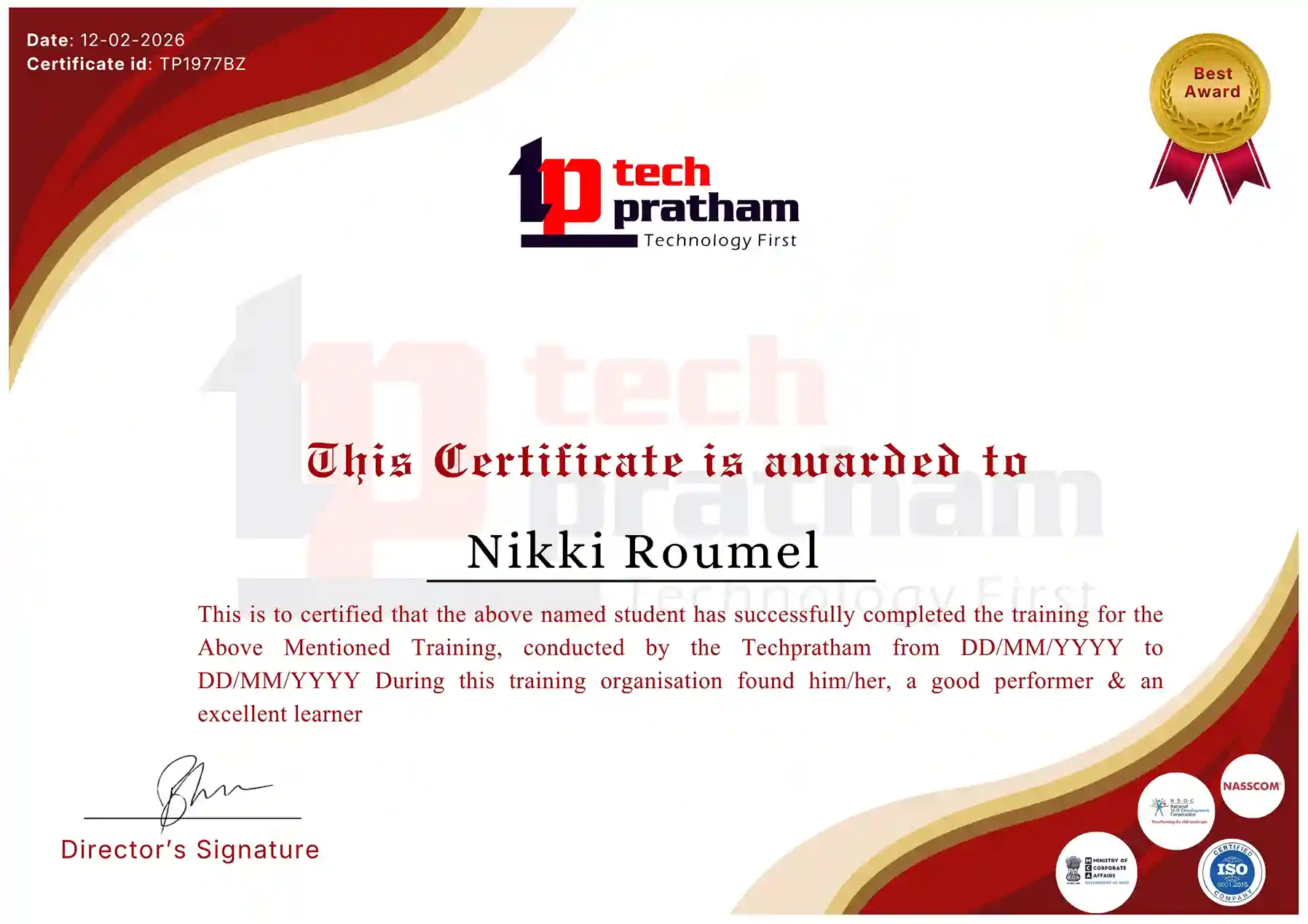
Big Data Engineering Certification

The TechPratham Big Data Engineering program provides structured training covering Hadoop, HDFS, YARN, MapReduce, Spark, PySpark, Hive, NoSQL, Kafka, streaming, cloud concepts, and large-scale data processing.


Certification Details

  • Course: Big Data Engineering
  • Certification: TechPratham Big Data Engineering Certificate
  • Format: Course completion certification
  • Assessment: Based on course learning and assessment requirements
  • Practical component: Project and capstone-based learning


Certification Coverage

The certification validates learning across:

  • Big Data Engineering fundamentals
  • Hadoop ecosystem
  • HDFS and YARN
  • MapReduce
  • Apache Spark
  • Spark SQL
  • PySpark
  • Hive
  • NoSQL
  • Apache Kafka
  • Streaming technologies
  • Cloud Big Data concepts
  • Big Data performance and security


TechPratham Course Completion Certificate

Learners who successfully complete the TechPratham program and meet the applicable course requirements receive a TechPratham Big Data Engineering Course Completion Certificate.

This is a TechPratham course completion certificate and should not be represented as an official certification issued by Apache, AWS, Microsoft, Google Cloud, or another technology vendor.

Industry-Recognized Certification

Certificate
Big Data Engineering Certificate

News Highlights

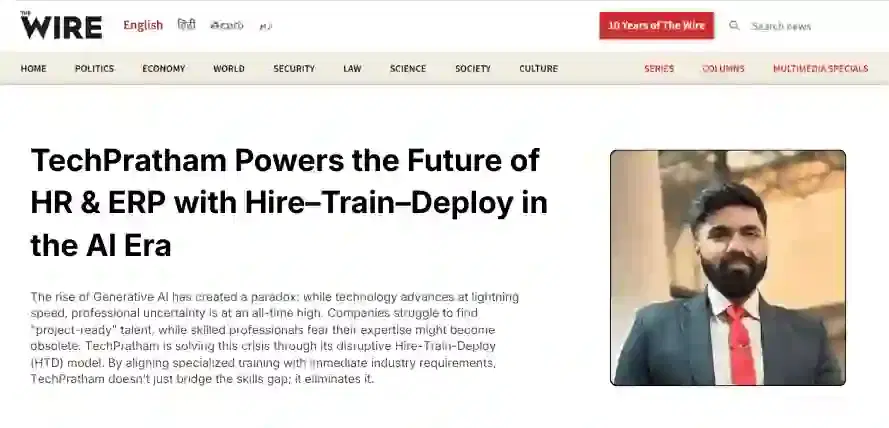
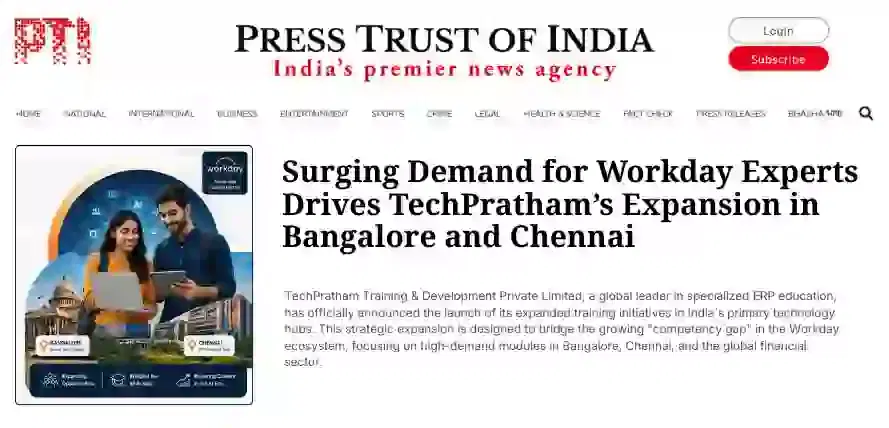
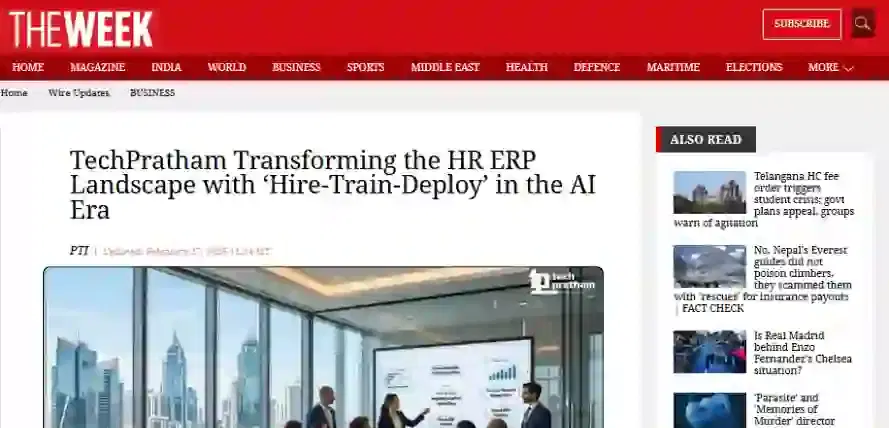
TechPratham Introduces Hire-Train-Deploy Model to Transform HR & ERP Talent in the AI Era
TechPratham Empowering Future Professionals Through AI-Focused HR & ERP Training

Featured In

Featured Logo 1Featured Logo 2Featured Logo 3Featured Logo 4Featured Logo 5Featured Logo 6Featured Logo 7Featured Logo 8Featured Logo 9Featured Logo 10Featured Logo 11Featured Logo 12
TechPratham Gains Recognition for Bridging the HR & ERP Skills Gap with Hire-Train-Deploy
TechPratham's Hire-Train-Deploy Approach Reshaping HR & ERP Careers in the AI-Driven Industry