











CoursesAI Courses
Multi-Agent Systems
AI Courses

Multi-Agent Systems

Build practical multi-agent AI systems using agent architecture, orchestration, communication, workflows, RAG, memory, evaluation, security, and production deployment practices.

5/5(4,890 Reviews)

Level

Advanced

Duration

4 Weeks

Enquire This Course

About
Training Plan
Course Curriculum
New Batch
Projects
Certificate
Testimonials
FAQ
Interview FAQ

Placement Client

Accenture Logo
AWS Logo
Capgemini Logo
Deloitte Logo
Genpact Logo
HP Logo
Intel Logo
Microsoft Logo
Infosys Logo
Zoho Logo
Zelis Logo
Wipro Logo
Saint Gobain Logo
ONX Logo
Nava Logo
Infosys Logo
HCL Logo
Egon Zehnder Logo
Cognizant Logo
Bosch Logo
Bank of America Logo
Accenture Logo
AWS Logo
Capgemini Logo
Deloitte Logo
Genpact Logo
HP Logo
Intel Logo
Microsoft Logo
Infosys Logo
Zoho Logo
Zelis Logo
Wipro Logo
Saint Gobain Logo
ONX Logo
Nava Logo
Infosys Logo
HCL Logo
Egon Zehnder Logo
Cognizant Logo
Bosch Logo
Bank of America Logo

About Multi-Agent Systems

Multi-Agent Systems is a practical course designed to help learners understand, design, develop, orchestrate, evaluate, and deploy AI systems in which multiple specialized agents collaborate to complete complex tasks.

The course begins with multi-agent AI fundamentals and progresses into multi-agent architecture, agent roles, communication, coordination, shared state, task delegation, routing, and workflow design. Learners explore how multiple autonomous AI agents can work together through structured orchestration patterns instead of relying on a single agent for every task.

Learners also work with multi-agent frameworks and implementation approaches while understanding how to select appropriate architectures for different business and technical requirements. The curriculum covers sequential, parallel, conditional, hierarchical, supervisor, and handoff-based workflows.

Advanced topics include multi-agent RAG, knowledge retrieval, agent memory, context management, tool integration, multi-agent collaboration, evaluation, observability, security, governance, reliability, scalability, and production optimization.

Through practical projects, learners build multi-agent applications that combine specialized agents, orchestration, tools, knowledge retrieval, shared context, monitoring, and production-oriented practices.

Video Thumbnail

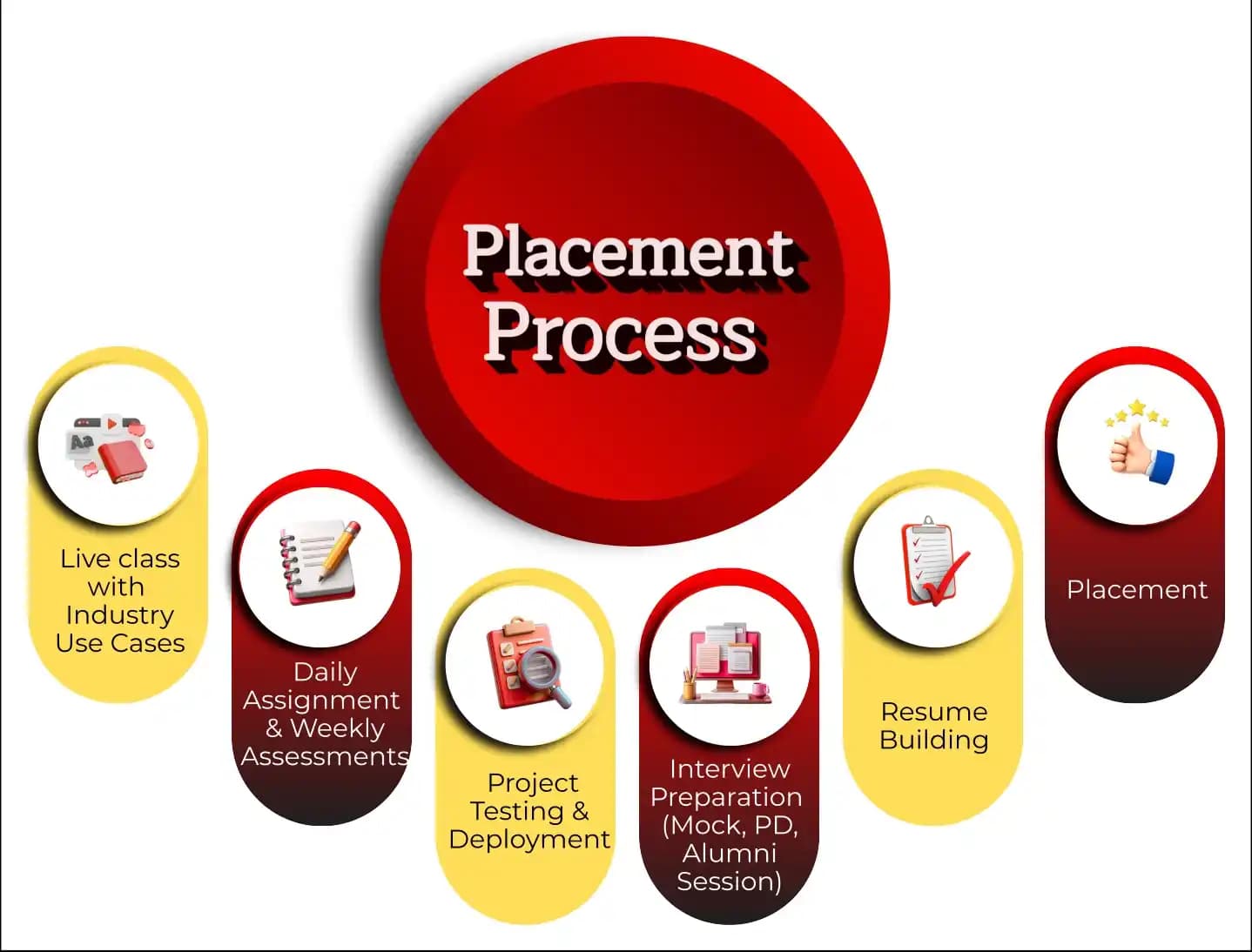
Training Plan

01
About trainer

About trainer

Working professional who is carrying more than 10 years of industry experience.

02
Decks & Updated Content

Decks & Updated Content

Access to updated presentation decks shared during live training sessions.

03
e-Book

e-Book

E-book provided by TechPratham. All rights reserved.

04
Assignments & MCQs

Assignments & MCQs

Module-wise assignments and MCQs provided for practice.

05
Video Recording

Video Recording

Daily Session would be recorded and shared to the candidate.

06
Projects

Projects

Live projects will be provided for hands-on practice.

07
Resume Building

Resume Building

Expert-guided resume building with industry-focused content support.

08
Interview Preparation

Interview Preparation

Comprehensive interview preparation with real-time scenario practice.

Multi-Agent Systems Course Curriculum

Module 1 — Multi-Agent Systems Fundamentals

Understand the foundations of multi-agent AI and learn when multiple specialized agents provide advantages over single-agent systems.

What are Multi-Agent Systems?
Multi-Agent AI fundamentals
Single-agent vs multi-agent systems
Autonomous AI agents
Specialized agent roles
Multi-agent use cases
Benefits and limitations
Multi-agent system design considerations
Multi-agent AI applications
Business use cases

Module 2 — Multi-Agent Architecture

Learn how to design multi-agent architectures by defining agent responsibilities, system boundaries, shared state, communication patterns, and coordination mechanisms.

Multi-agent architecture
Agent roles and responsibilities
Specialized agents
Agent boundaries
Shared state
Context management
Agent registries
System components
Architecture patterns
Centralized vs distributed architectures
Designing scalable agent systems

Module 3 — Agent Communication & Collaboration

Learn how multiple AI agents exchange information, coordinate tasks, transfer context, and collaborate within an agentic system.

Agent-to-agent communication
Agent messaging
Agent handoffs
Context propagation
Agent collaboration
Agent coordination
Shared information
Communication patterns
Task synchronization
Collaboration strategies
Failure handling

Module 4 — Multi-Agent Orchestration

Learn how to coordinate multiple agents through structured orchestration patterns for complex workflows and autonomous task execution.

Multi-agent orchestration
Orchestrator agents
Supervisor patterns
Hierarchical orchestration
Hub-and-spoke architecture
Sequential orchestration
Conditional workflows
Agent handoffs
Dynamic task assignment
Agent coordination

Module 5 — Multi-Agent Workflows & Routing

Design workflows that dynamically route tasks between specialized agents based on task requirements, state, context, and intermediate results.

Multi-agent workflows
Multi-agent workflow design
Task decomposition
Task delegation
Agent routing
Dynamic routing
Workflow state
Sequential workflows
Parallel workflows
Conditional branching
Error recovery
Workflow optimization

Module 6 — Multi-Agent Frameworks & Development

Explore modern frameworks and development approaches used to implement multi-agent AI applications and understand their architectural trade-offs.

Multi-agent frameworks
Framework selection
LangGraph
CrewAI
AutoGen / AG2
Semantic Kernel
Framework comparison
Agent state management
Tool integration
Multi-agent application development

Module 7 — Multi-Agent RAG & Knowledge Systems

Learn how multiple agents can use retrieval systems and enterprise knowledge to perform research, analysis, validation, and knowledge-grounded tasks.

Multi-Agent RAG
Agentic RAG
Research agents
Retrieval agents
Knowledge retrieval
Vector databases
Semantic search
RAG pipelines
Knowledge-grounded agents
Multi-agent research workflows
Retrieval coordination
Knowledge verification

Module 8 — Memory & State in Multi-Agent Systems

Learn how memory and shared state allow multiple agents to maintain context, coordinate actions, and use information across complex workflows.

Agent memory
Short-term memory
Long-term memory
Persistent memory
Shared memory
Shared state
Context management
State synchronization
Memory retrieval
Memory-aware agents
Context propagation

Module 9 — Multi-Agent Evaluation & Observability

Learn how to monitor, evaluate, trace, and improve multi-agent systems across individual agents and complete workflows.

Multi-agent evaluation
Agent-level evaluation
Workflow-level evaluation
Agent tracing
Observability
Performance monitoring
Task success measurement
Failure analysis
Quality evaluation
Agent behavior monitoring
Workflow debugging
Reliability measurement

Module 10 — Security, Governance & Reliability

Learn how to build safer multi-agent systems using access control, identity, data protection, governance, error handling, and reliability strategies.

Multi-agent security
Agent identity
Authentication
Authorization
Tool access control
Data protection
Agent permissions
Security boundaries
Governance
Human-in-the-loop
Error handling
Retries and fallbacks
Reliability strategies

Module 11 — Production Multi-Agent Systems

Learn how to prepare multi-agent applications for production by addressing scalability, latency, cost, monitoring, deployment, and enterprise requirements.

Production multi-agent systems
Deployment architecture
Scalability
Performance optimization
Latency management
Cost optimization
Fault tolerance
Production monitoring
Governance
Enterprise architecture
Reliability
Maintenance strategies

Module 12 — End-to-End Multi-Agent Systems Capstone

Build a complete multi-agent AI application that combines specialized agents, orchestration, workflows, tools, knowledge retrieval, memory, evaluation, monitoring, and security.

Solution architecture
Agent role design
Workflow implementation
Multi-agent orchestration
Agent communication
Tool integration
Multi-Agent RAG
Agent memory
Shared state
Evaluation
Observability
Security
Production optimization
Capstone implementation

AI Courses Courses

No related courses found

Additional Program Highlights

Learning Materials

Comprehensive study materials and resources

HD
Resume Writing

Professional resume building session

HD
Interview Preparation

Master your interview skills

HD
Live Project Demo

Real-world project demonstrations

HD

Upcoming Batches

Can't find a batch you were looking for?

Who Should Take Multi-Agent Systems Course?

IT Professionals

Non-IT Career Switchers

Fresh Graduates

Career Opportunities After Multi-Agent Systems Course

Multi-Agent AI Engineer

AI Agent Engineer

AI Engineer

Key Projects

Multi-Agent Systems Course Projects

Saint Gobain

Saint GobainEnterprise Multi-Agent Operations


Scenario: Build a multi-agent operations system where specialized agents coordinate business analysis, knowledge retrieval, task routing, and workflow execution.

Live Work:

  • Design specialized agents
  • Build orchestration workflow
  • Add shared context
Outcome: Coordinated enterprise AI workflow
Deloitte

DeloitteMulti-Agent Research System


Scenario: Develop a research system where multiple AI agents collaborate on information retrieval, analysis, validation, and final report generation.

Live Work:

  • Build research agents
  • Add RAG retrieval
  • Coordinate agent outputs
Outcome: Multi-agent research platform
BrightEdge Support Services

BrightEdge Support ServicesIntelligent Customer Workflow


Scenario: Create a multi-agent customer workflow using specialized support, knowledge, routing, and response agents to manage complex service requests.

Live Work:

  • Build support agents
  • Implement task routing
  • Add knowledge retrieval
Outcome: Automated multi-agent support
ApexGlobal Enterprises

ApexGlobal EnterprisesIntelligent Automation Crew


Scenario: Build a multi-agent sales intelligence system where research, qualification, analysis, and recommendation agents collaborate on customer opportunities.

Live Work:

  • Build sales agents
  • Add orchestration
  • Generate recommendations
Outcome: AI-powered sales intelligence
Mobile Banner

Latest HiringNEW

No hiring posts

Recently Placed Candidates

No placements available

Latest HiringNEW

No hiring posts

Our Success Mantra

Commitment Icon
Commitment

  • Ensuring quality training every day

Commitment Icon
Fulfillment

  • Meeting learning goals with confidence

Commitment Icon
Accomplishment

  • Students achieving industry-ready expertise

Our Learner Voice

Loading reviews...

Student review testimonial

Beyond Courses:

Additional Support We Provide

24/7 Support

LinkedIn Profile

Resume Writing

Alumni Sessions

Interview Preparation

Live Projects

What are Multi-Agent Systems?

What is Multi-Agent AI?

What is the difference between single-agent and multi-agent systems?

What is multi-agent orchestration?

What are multi-agent workflows?

What is multi-agent architecture?

What is a Multi-Agent System?

Why use multiple AI agents instead of one agent?

What is multi-agent orchestration?

What are common multi-agent architecture patterns?

How do AI agents communicate?

What is the difference between orchestration and collaboration?

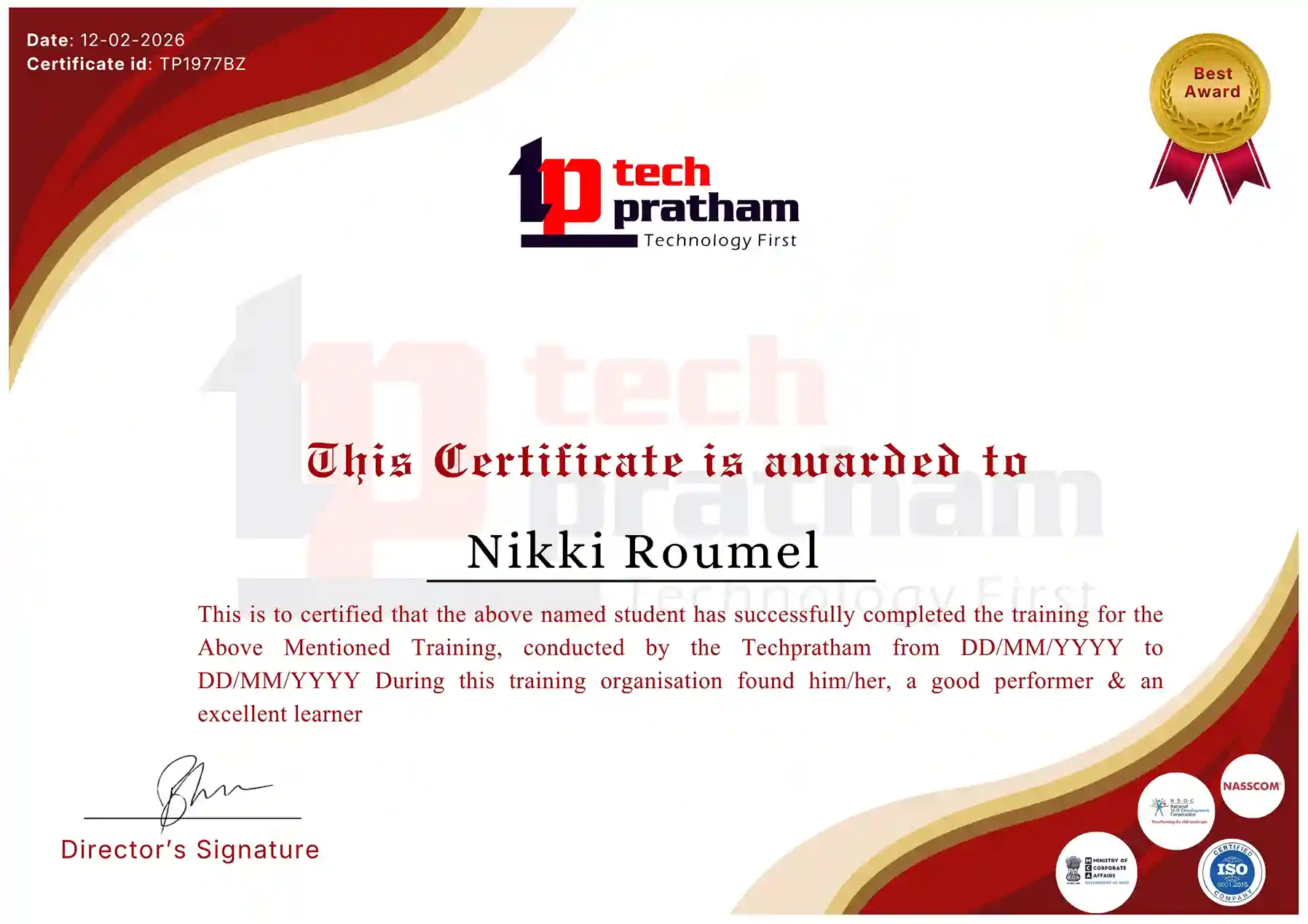
Multi-Agent Systems Certification

Upon successful completion of the course requirements, learners can receive a certificate recognizing their learning in Multi-Agent Systems, multi-agent architecture, AI agent orchestration, multi-agent workflows, agent communication and collaboration, multi-agent RAG, agent memory, evaluation, observability, security, governance, and production practices. The certification reflects the learner's understanding of designing, developing, coordinating, evaluating, and implementing multi-agent AI systems for practical and enterprise use cases, including intelligent workflows, knowledge-driven applications, and autonomous agent collaboration, subject to TechPratham's applicable course completion and certification criteria.

Industry-Recognized Certification

Certificate
Multi-Agent Systems

News Highlights

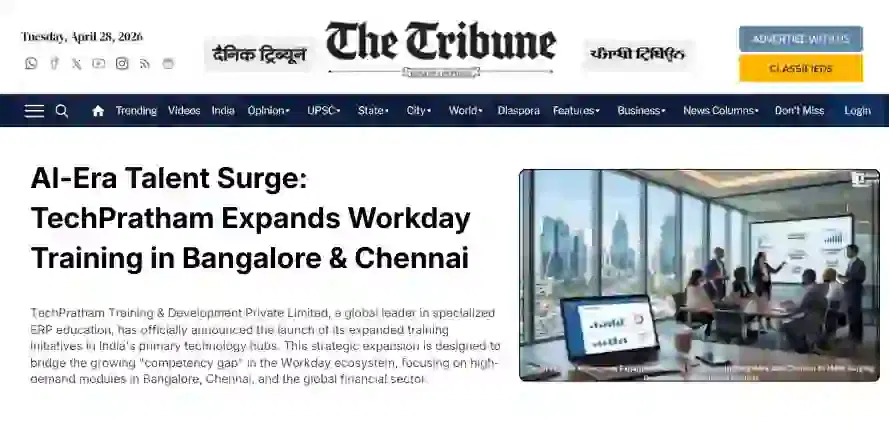
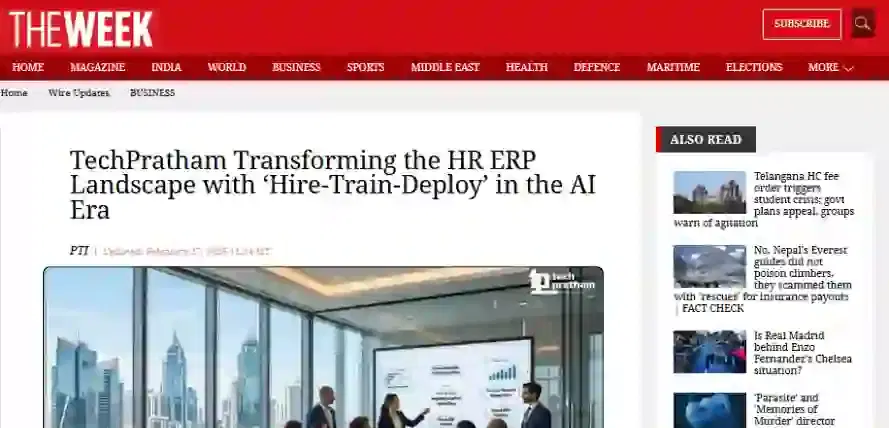
TechPratham Introduces Hire-Train-Deploy Model to Transform HR & ERP Talent in the AI Era
TechPratham Empowering Future Professionals Through AI-Focused HR & ERP Training

Featured In

Featured Logo 1Featured Logo 2Featured Logo 3Featured Logo 4Featured Logo 5Featured Logo 6Featured Logo 7Featured Logo 8Featured Logo 9Featured Logo 10Featured Logo 11Featured Logo 12
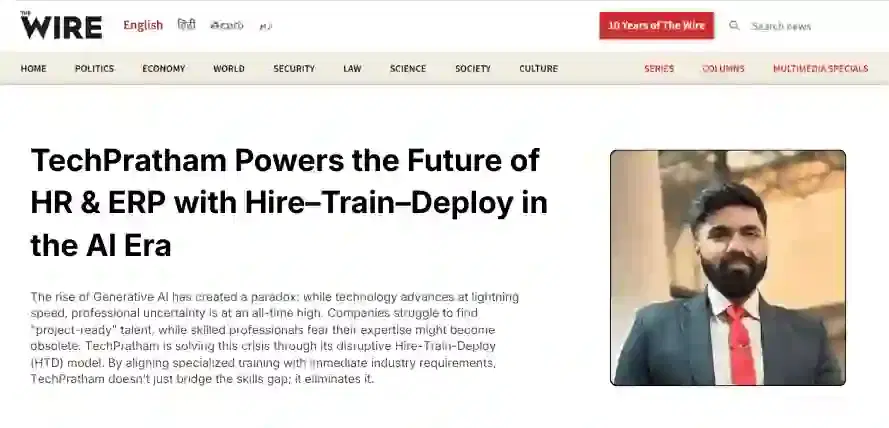
TechPratham Gains Recognition for Bridging the HR & ERP Skills Gap with Hire-Train-Deploy
TechPratham's Hire-Train-Deploy Approach Reshaping HR & ERP Careers in the AI-Driven Industry
India Flag

India

Head Office

G-31, 1st Floor, Sector-3, Noida - 201301

India Flag+91-8882178896
WhatsApp
USA Flag+1 (343) 477-0926
WhatsApp
India Flag

India

Noida Office

B-24, Sector-1, Noida, Uttar Pradesh - 201301

India Flag+91-8882178896
WhatsApp
USA Flag+1 (343) 477-0926
WhatsApp
India Flag

India

Hyderabad Office

LVS Arcade, 6th Floor, Hitech City, Hyderabad

India Flag+91-8882178896
WhatsApp
USA Flag+1 (343) 477-0926
WhatsApp