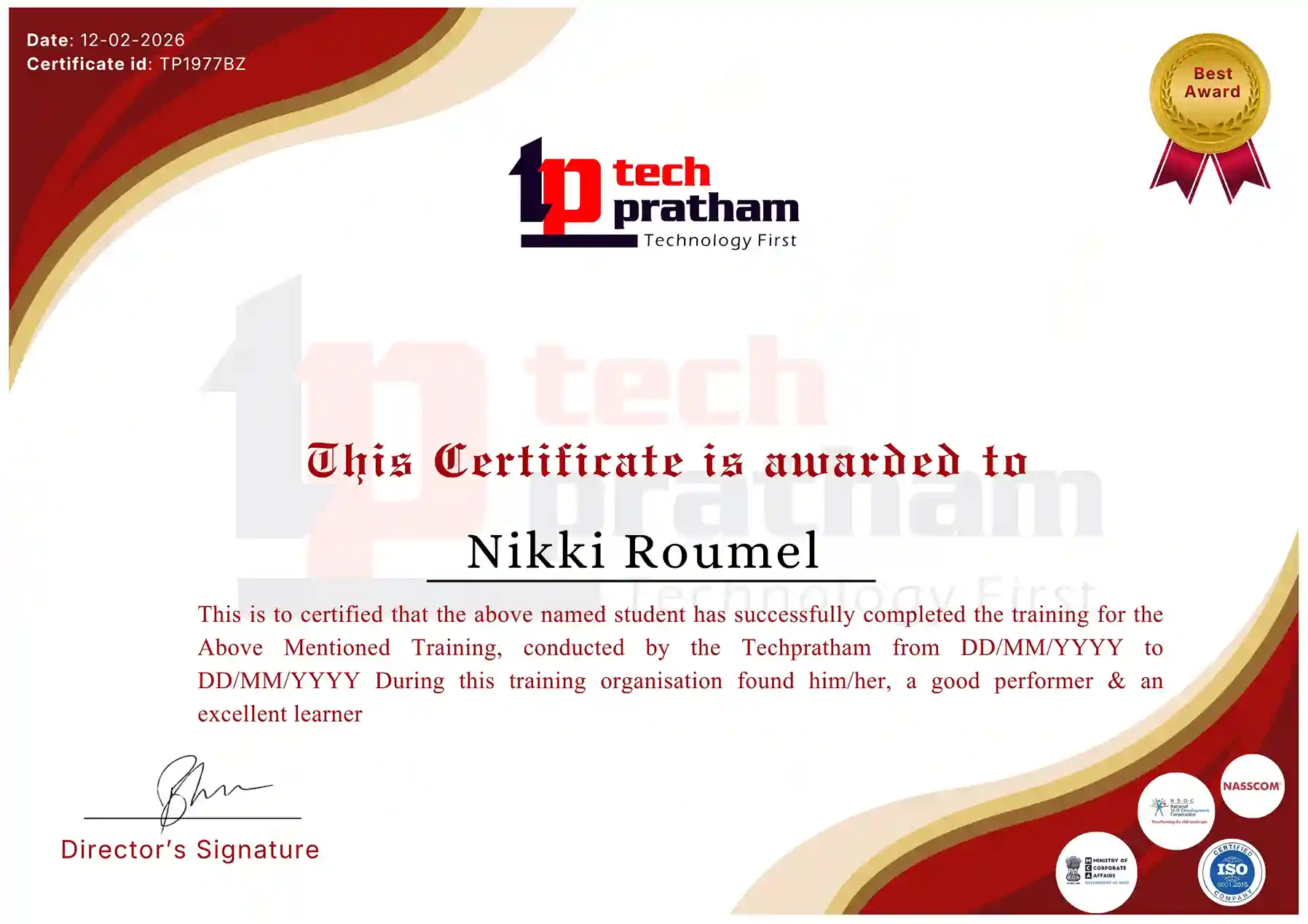
Here’s your updated content with test duration, exam fees, and exam duration added while keeping the same format:
Software Testing Training is a professional program that builds your expertise in ensuring software quality through manual and automation testing techniques. It is widely recognized across IT, e-commerce, banking, and product-based companies. In Mumbai, Software Testing Training helps candidates gain a competitive edge and improves job opportunities in top organizations.
Software Testing Training Course Structure
Across most Software Testing Training programs, the course structure is generally consistent:
- Course Fees: Approximately ₹20,000 to ₹60,000 (depending on institute and course level)
- Course Duration: 2–4 months
- Learning Mode: Online / Classroom / Hybrid
- Training Type: Practical + Real-Time Projects
- Assessment: Assignments, mock tests, and project evaluation
This structured approach ensures that candidates gain both theoretical knowledge and practical experience.
Software Testing Certification Exam Structure
For candidates who choose certification after training, the exam pattern is generally as follows:
- Exam Fees: Approximately ₹5,000 to ₹15,000 (depends on certification like ISTQB or institute-based exams)
- Exam Duration: 60–120 minutes
- Test Duration (Preparation Time): Usually 1–2 weeks after course completion
- Passing Score: Around 60%–75% (varies by certification)
- Exam Format: MCQ (Multiple Choice Questions)
- Mode: Online or Center-based
This structure ensures proper evaluation of both theoretical and practical knowledge.
Software Testing Training Levels
Software Testing Training is divided into different levels:
- Beginner Level: Covers basic concepts like SDLC, STLC, and manual testing fundamentals
- Intermediate Level: Focuses on test case design, defect tracking, and real-time project work
- Advanced Level: Includes automation testing tools like Selenium and API testing using Postman
Most freshers in Mumbai start with the beginner level training.
Note: (Specialization Pathway)
For advanced roles in software testing (such as automation or performance testing), candidates are recommended to complete manual testing first. This helps build a strong foundation in testing concepts before moving to advanced tools and frameworks.
Note: (Technical Skill Pathway)
Technical skills like automation testing, scripting, and working with tools such as JIRA are part of the advanced career path. These skills are usually learned after gaining basic knowledge and hands-on experience in testing.
Benefits of Software Testing Training
- Builds strong foundation in software quality assurance
- Increases job opportunities in Mumbai’s IT sector
- Helps secure better salary packages
- Provides practical experience with real-time projects
- Preferred skill in IT companies and startups
Conclusion
Software Testing Training is a valuable choice for anyone looking to build a career in the IT industry. With growing demand in Mumbai, trained professionals have better chances of getting hired, advancing their careers, and working with top companies and startups.







.png)
























.png&w=256&q=75)