
SAP online Training: 10 Things to Know Before you Start

If you're planning to build a career in enterprise technology, SAP online training is one of the best ways to gain industry-relevant skills. SAP is used by thousands of organizations worldwide to manage business operations such as finance, sales, procurement, manufacturing, human resources, and supply chain management. As businesses continue to adopt digital transformation and SAP S/4HANA, the demand for skilled SAP professionals is steadily growing.
However, before enrolling in any course, it's important to understand what SAP is, which module is right for you, how online training works, and what employers expect from SAP professionals. Making informed decisions at the beginning can save time, improve your learning experience, and help you build a successful career.
What Is SAP Online Training?
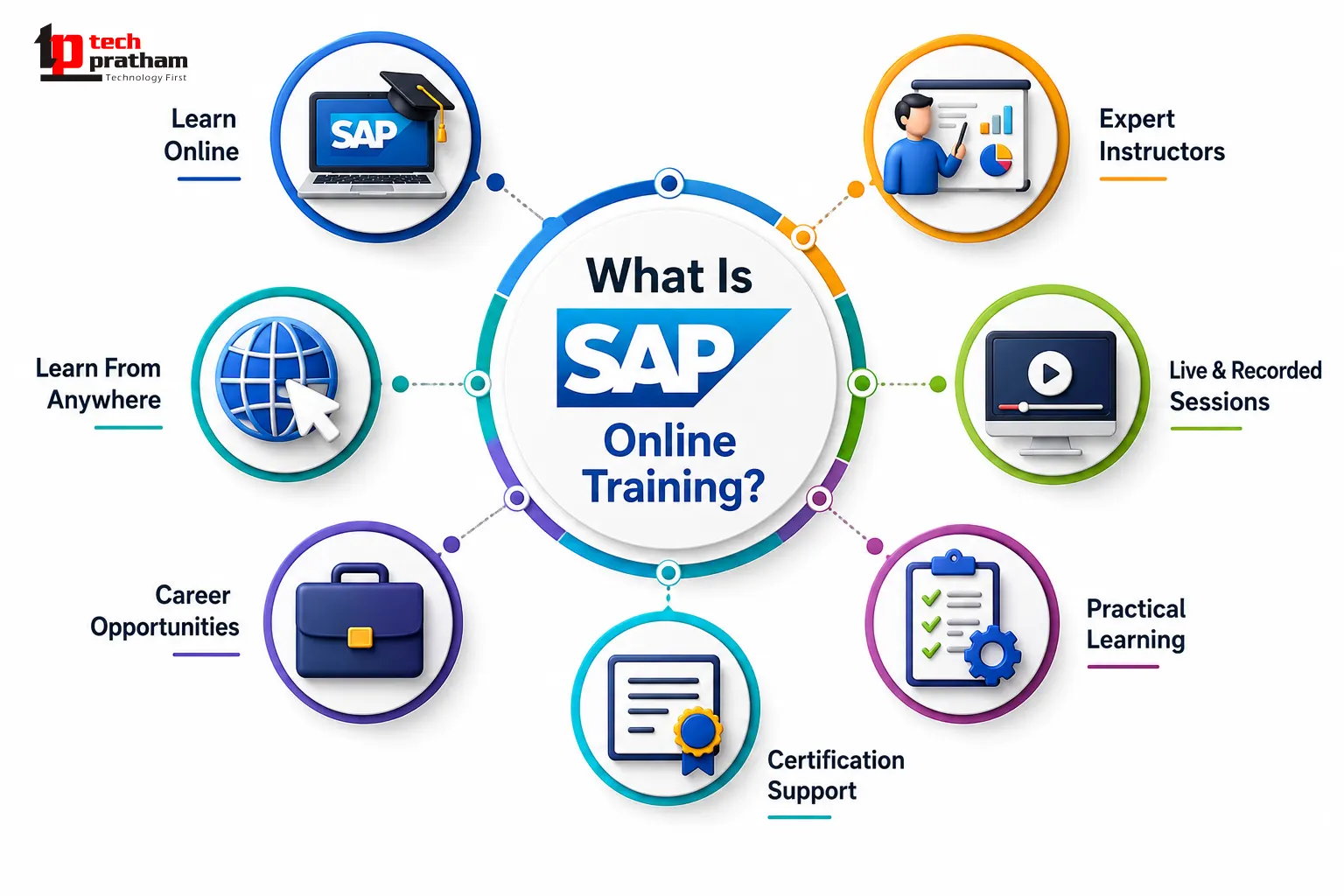
SAP online training is a structured learning program that helps individuals gain practical knowledge of SAP software through live online classes, hands-on exercises, real-world business scenarios, and project-based learning. It enables learners to build industry-relevant skills from anywhere while learning through instructor-led or self-paced sessions.
Most SAP online training programs cover popular SAP modules such as SAP FICO, SAP MM, SAP SD, SAP PP, SAP SuccessFactors, SAP ABAP, SAP Basis, and SAP S/4HANA, allowing learners to choose a specialization based on their career goals. Many courses also include practical assignments, certification guidance, interview preparation, and real-time projects to help learners become job-ready.
Who Should Enroll in SAP Online Training?
SAP online training is designed for anyone who wants to build or advance a career in enterprise resource planning (ERP) and business technology. Whether you're starting your professional journey, looking to upskill, or planning a career transition, SAP offers modules tailored to different educational backgrounds and industries.
It is ideal for:
- Fresh graduates looking to start an IT or ERP career
- Working professionals who want to upskill
- Finance and accounting professionals
- Supply chain and logistics professionals
- HR professionals
- Manufacturing professionals
- Engineers
- Career changers looking for better opportunities
Choosing the right SAP module based on your background and career goals can make your learning journey more effective.
Checklist Before Joining SAP Online Training
Before enrolling in an SAP online training program, it's important to evaluate the course and training provider carefully. The right training can help you build practical skills, prepare for SAP certification, and improve your career prospects. Use the following 10 essential checkpoints to compare different training programs and make an informed decision before you enroll.
1. Understand What SAP Is Before Choosing a Course
Many beginners enroll in SAP online training without fully understanding what SAP is or how it is used in businesses. Having a basic understanding of SAP before choosing a course will help you select the right module and make learning easier.
SAP (Systems, Applications, and Products in Data Processing) is one of the world's leading Enterprise Resource Planning (ERP) software solutions. It integrates various business functions into a single platform, allowing organizations to manage operations efficiently, improve productivity, and make data-driven decisions.
Organizations use SAP to manage:
- Finance and Accounting
- Procurement
- Sales and Distribution
- Inventory Management
- Manufacturing
- Human Resources
- Customer Service
Understanding these core business processes provides a strong foundation for learning SAP and helps you understand how different departments work together within an organization. This knowledge also makes it easier to apply SAP concepts in real-world business scenarios.
2. Choose the Right SAP Module for Your Career
One of the most important decisions before starting SAP online training is selecting the right SAP module. Since each module focuses on a specific business function, choosing one that matches your educational background, work experience, and career goals can make learning easier and improve your career prospects.
Some of the most popular SAP modules include:
Instead of choosing a module based only on popularity or salary, focus on your interests, existing skills, and long-term career goals. Selecting the right SAP module from the beginning helps you build relevant expertise, gain practical knowledge, and improve your chances of finding the right job opportunities.
3. Check Whether You Meet the Basic Prerequisites
Before enrolling in SAP online training, many beginners wonder whether they need prior experience or technical knowledge. The good news is that most SAP training programs are beginner-friendly and are designed for both freshers and working professionals.
While prior experience isn't mandatory, having a basic understanding of the business domain related to your chosen SAP module can make the learning process smoother. For example:
- Finance knowledge is helpful for SAP FICO.
- Supply chain knowledge is beneficial for SAP MM.
- Sales and customer management concepts support SAP SD.
- HR fundamentals are useful for SAP SuccessFactors.
Even if you're completely new to SAP, consistent learning, hands-on practice, and real-world projects can help you develop the skills needed to become job-ready.
4. Choose Training That Includes Practical Learning
SAP is a practical, application-based skill, so simply watching recorded videos or reading study materials isn't enough to build real expertise. To become job-ready, you need hands-on experience with SAP tools and real business scenarios.
A good SAP online training program should include:
- Live instructor-led sessions
- Hands-on practical exercises
- Real-time projects
- Business case studies
- Practice assignments
- SAP system access for hands-on practice
Practical learning helps you understand how SAP is used in real business environments, improves your problem-solving skills, and gives you the confidence to work on real-world projects and perform well in job interviews.
5. Understand SAP Certification Before Enrolling
Many learners assume that completing an SAP online training course automatically makes them SAP certified. However, training and certification are two different things. Training helps you build practical skills, while certification validates your knowledge through an official exam.
Before enrolling in a course, check whether the training provider offers:
- Certification guidance
- Updated study materials
- Practice tests
- Exam preparation support
If your goal is to earn an SAP certification, choosing a course with proper certification support can make your preparation more effective. A recognized certification can strengthen your resume, enhance your credibility, and improve your chances of getting shortlisted for SAP job opportunities.
6. Know the Current Demand for SAP Professionals
Before starting SAP online training, it's important to understand the current job market. As organizations continue to adopt SAP S/4HANA, cloud technologies, automation, analytics, and AI-driven business solutions, the demand for skilled SAP professionals remains strong across multiple industries.
Industries actively hiring SAP professionals include:Industries actively hiring SAP professionals include: IT Services Manufacturing Retail Banking and Financial Services Healthcare Automotive Logistics E-commerce.
7. Learn More Than Just SAP Software
Learning SAP software is important, but becoming a successful SAP professional requires more than technical knowledge. Employers look for candidates who understand business processes and can apply SAP solutions to solve real-world business challenges.
Along with SAP, focus on developing these essential skills:
- Business process understanding
- Analytical thinking
- Communication skills
- Problem-solving
- Documentation
- Microsoft Excel
- Report analysis
These complementary skills help you work more effectively with teams, understand client requirements, and perform better in real projects. Developing both technical and business skills can make you a more valuable candidate and improve your long-term career growth.
8. Check the Course Duration and Learning Format
Before enrolling in SAP online training, it's important to understand the course duration and choose a learning format that fits your schedule. A flexible program allows you to learn consistently while balancing your studies or professional commitments.
Most SAP online training courses typically take 6 to 12 weeks, depending on the module, course depth, and training schedule. Advanced or certification-focused programs may require additional time.
Common learning formats include:
- Live online classes
- Weekend batches
- Weekday batches
- Self-paced learning
- Recorded sessions for revision
Choose a course that offers flexibility, practical learning, and enough time to understand each concept thoroughly. A well-structured learning schedule can help you stay consistent, complete your training successfully, and build confidence in your SAP skills.
9. Make Sure Placement Support Is Available
If you're a fresher or planning a career transition, choosing an SAP Online Training programe with placement support can significantly improve your job prospects. Beyond technical training, career assistance helps you prepare for interviews and understand what employers expect from SAP professionals.
Look for training institutes that offer:
- Resume building
- Mock interviews
- Interview preparation
- Career guidance
- Job referrals
- Soft skills training
These services can boost your confidence, improve your interview performance, and increase your chances of securing an SAP-related role after completing your training.
10. Keep Learning Even After Completing the Course
Completing an SAP online training course is just the beginning of your learning journey. Since SAP technologies continue to evolve with innovations like SAP S/4HANA, cloud solutions, AI, automation, and analytics, continuously upgrading your skills is essential for long-term career growth.
After completing your SAP training, make it a habit to:
- Practice regularly on SAP systems
- Work on real-time projects
- Stay updated with the latest SAP features
- Prepare for advanced SAP certifications
- Follow industry trends and best practices
- Learn new SAP modules or specializations
Continuous learning helps you stay competitive, improve your expertise, and increase your chances of securing better job opportunities and career advancement in the SAP ecosystem.
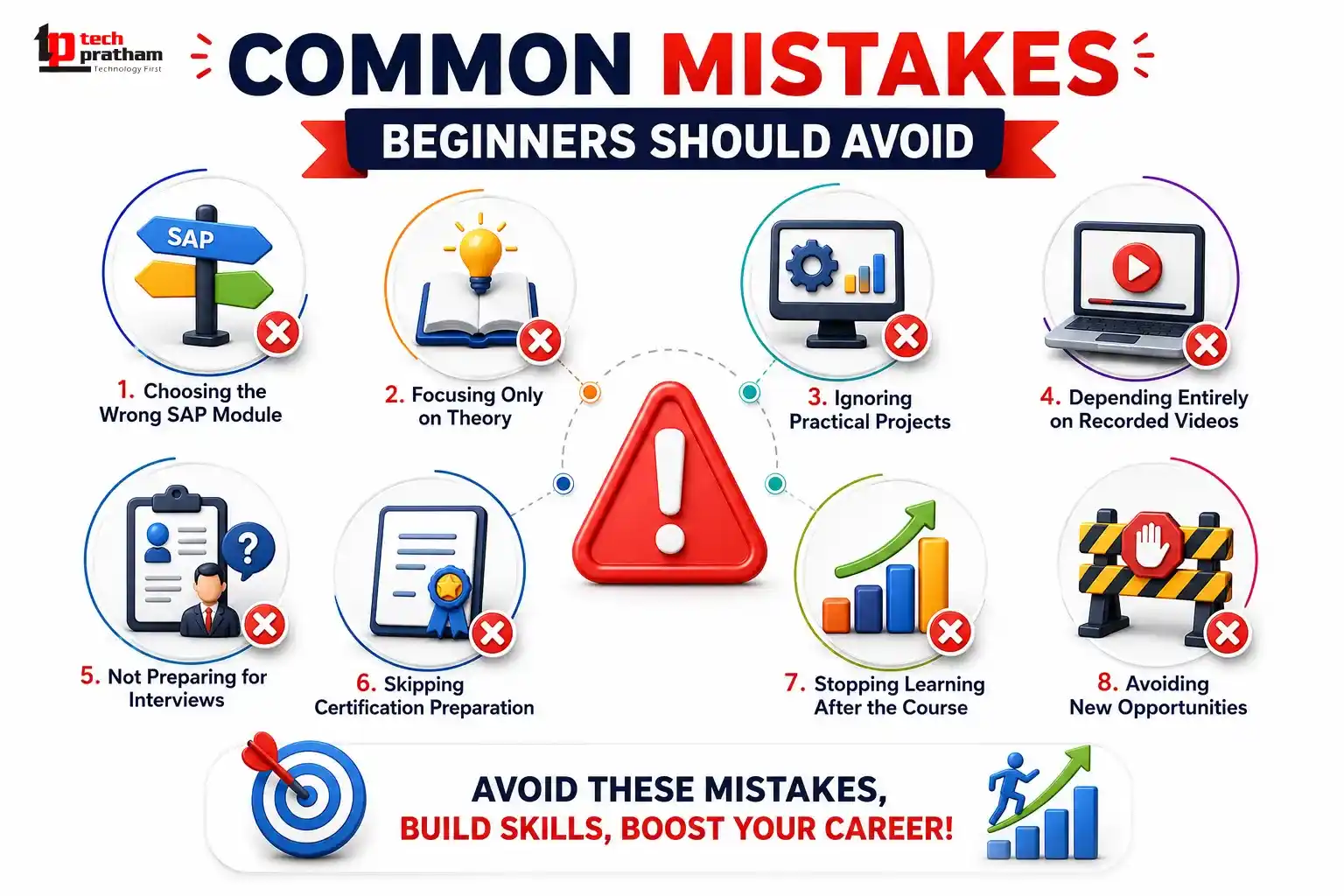
Common Mistakes Beginners Should Avoid
Frequently Asked Questions (FAQs)
1. Is SAP certification mandatory after training?
2. Which SAP module is best for freshers?
3. Can I get a job after completing SAP online training?
6. What are the benefits of SAP online training?
Conclusion
Starting SAP online training is an excellent step toward building a rewarding career in enterprise technology. However, choosing the right SAP module, learning through practical projects, understanding certification, and developing business knowledge are equally important for long-term success.
By keeping these 10 essential points in mind, you'll be better prepared to select the right training program, build in-demand SAP skills, and confidently pursue career opportunities in leading organizations.
Related Articles

How to Switch from SAP FICO to SAP S/4HANA Finance
Learn how to move from SAP FICO to S/4HANA Finance with practical skills, certification guidance, AI insights, and career tips

How to Start a SAP FICO Career With a Finance Background
Build a successful SAP FICO career with a finance background. Learn the skills, practical steps, career opportunities, and path to move from finance t

Why Are SAP Skills in High Demand in Hyderabad?
Discover why SAP skills are in high demand in Hyderabad, the top SAP modules, career opportunities, and the value of SAP training for professionals.





 +91-8882178896
 +1 (343) 477-0926