
Software Testing
198 min read454 viewsWhy Are Freshers Getting Rejected in Software Testing Interviews
By TechPratham TeamPublished July 9, 2026Updated July 10, 2026
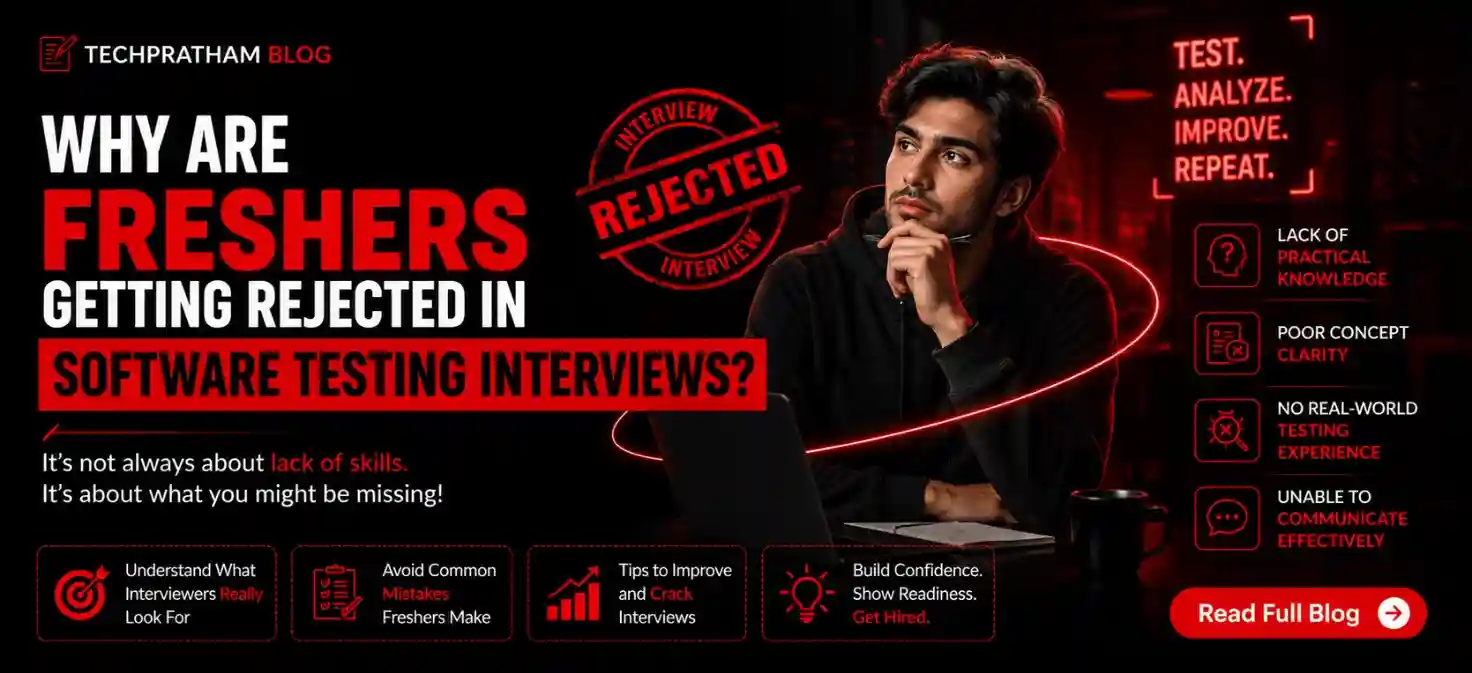
Today's recruiters are looking beyond academic qualifications and certificates. They want candidates who can demonstrate practical knowledge, think analytically, communicate effectively, and adapt to modern software development practices. Simply knowing the definitions of software testing concepts is no longer enough. Employers expect candidates to explain how they would test a real application, identify defects, collaborate with developers, and contribute to improving software quality.
This is where industry-focused Software Testing Training becomes an important stepping stone for aspiring professionals. Practical learning, live projects, and exposure to real-world testing environments help bridge the gap between classroom education and workplace expectations.
Current Hiring Landscape for Software Testing Freshers
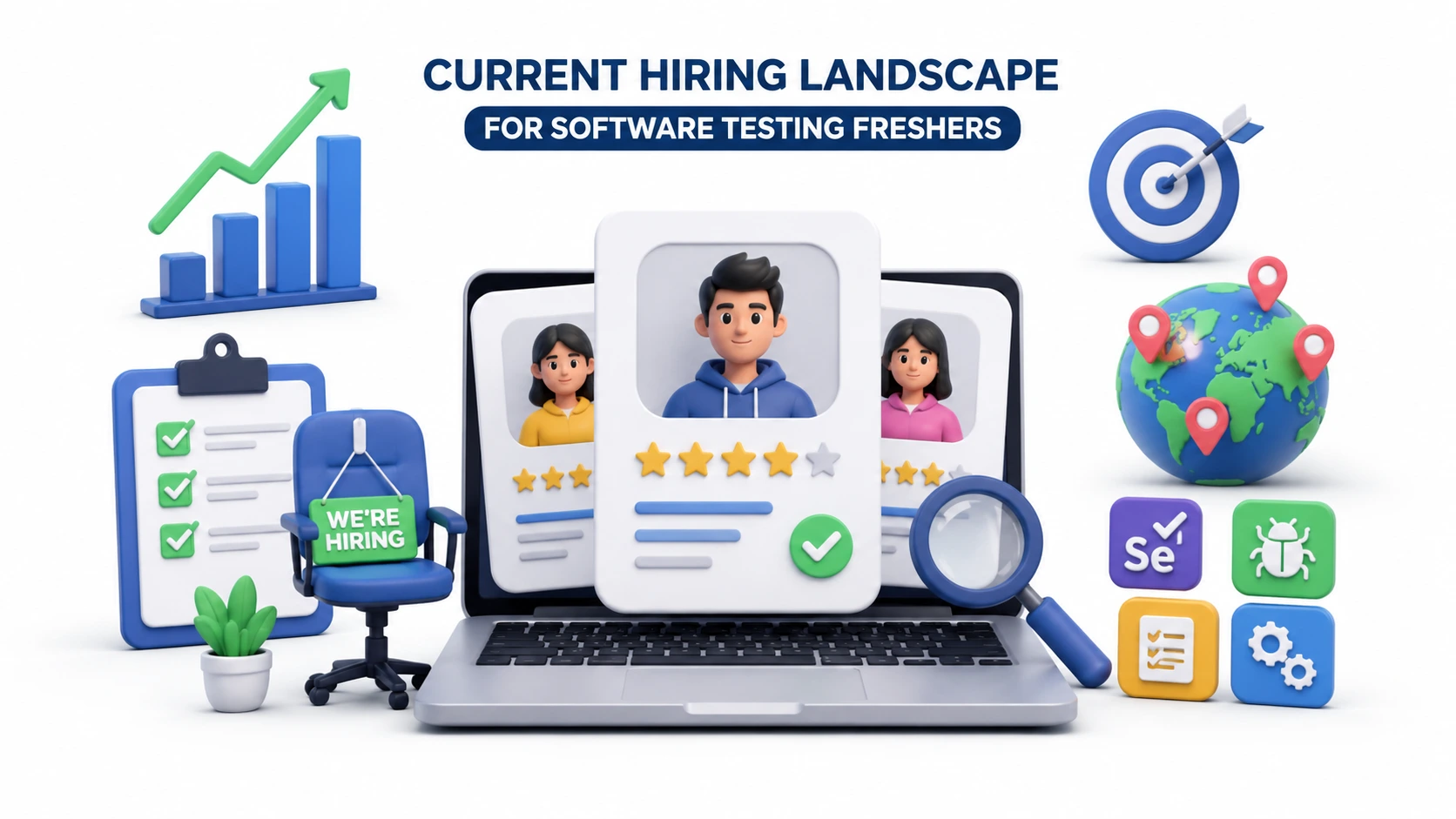
The software testing industry has changed significantly over the last few years. While companies continue to hire fresh graduates, the hiring criteria have become more skill-oriented than ever before. Recruiters are no longer satisfied with candidates who only understand software testing concepts theoretically. They are looking for professionals who can apply those concepts in practical situations and contribute to projects from the beginning.
- Increasing demand for software quality.
- Rising competition among freshers.
- Why companies are looking for job-ready candidates.
- Difference between being certified and being employable.
Understanding the Gap Between Academic Learning and Industry Expectations
One of the biggest reasons freshers face rejection in software testing interviews is the disconnect between academic education and industry requirements. Colleges and universities play an essential role in building technical fundamentals, but their curriculum often focuses more on concepts than on practical application. As a result, many graduates enter the job market with theoretical knowledge but limited exposure to the day-to-day responsibilities of a software tester.
- Theoretical knowledge vs practical application
- Limited exposure to testing tools
- Lack of live project experience
- Weak understanding of SDLC and STLC
- Minimal knowledge of Agile and Scrum
- Poor analytical and problem-solving skills
- Insufficient communication skills
This is precisely why many aspiring professionals choose Software Testing Training in India after graduation. Unlike traditional classroom education, industry-oriented training programs emphasize hands-on learning, live projects, real business scenarios, and practical assignments. Similarly, enrolling in Software Testing Certification Training in India helps candidates validate their skills while improving their understanding of current industry practices.
What Recruiters Expect from Freshers?
Most interviewers evaluate whether a candidate can demonstrate the following skills:
- Strong understanding of Manual Testing fundamentals
- Knowledge of SDLC and STLC processes
- Ability to write effective test cases and test scenarios
- Understanding of the Defect Life Cycle
- Knowledge of different software testing types
- Ability to answer scenario-based interview questions
- Basic understanding of software quality assurance processes
These skills help recruiters determine whether a candidate is ready to work on live projects or requires extensive training after joining the organization.
Common Technical Areas Where Freshers Struggle
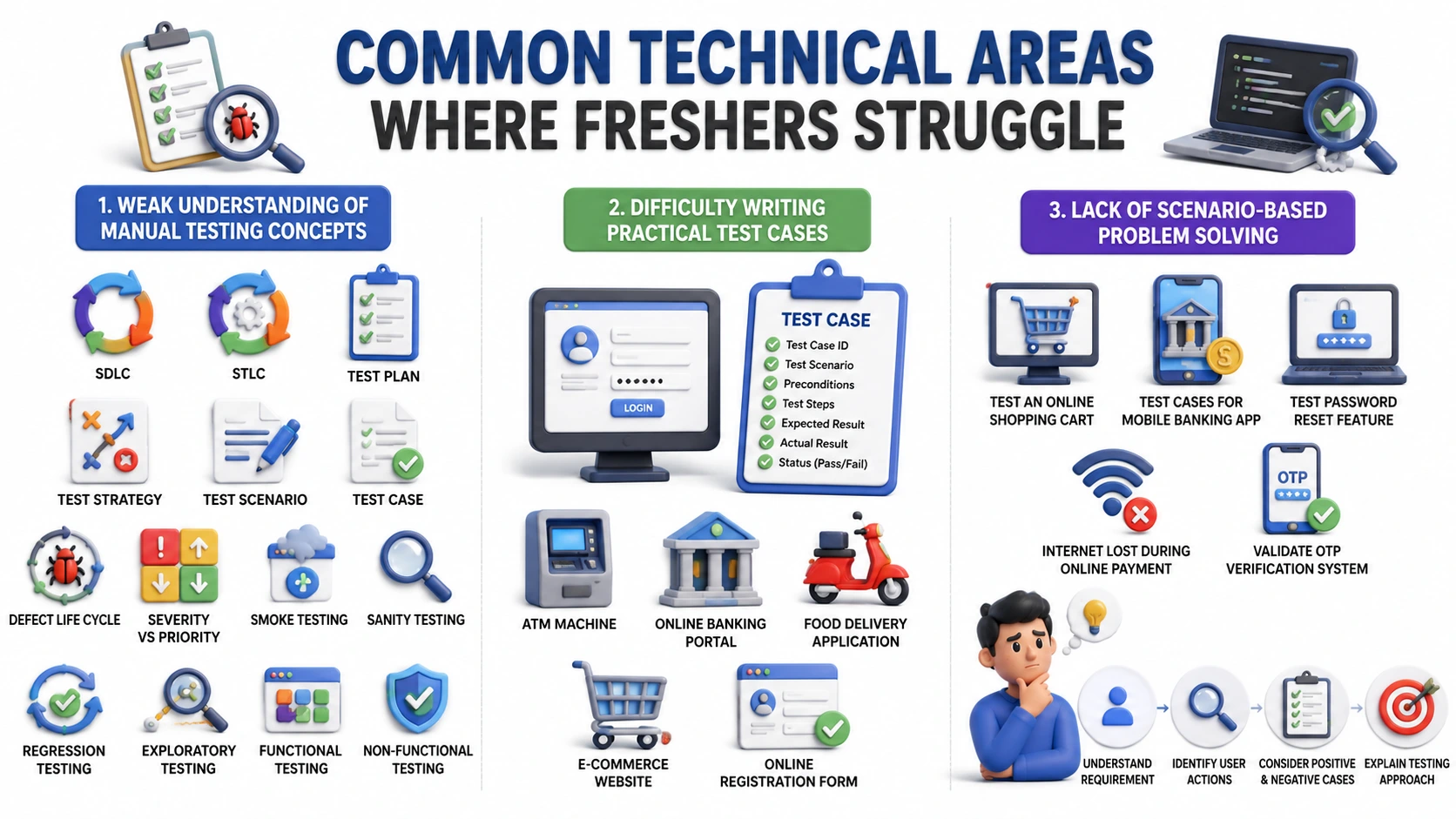
Although many freshers prepare extensively before interviews, they often struggle in certain technical areas because their preparation focuses more on memorization than practical implementation.
1. Weak Understanding of Manual Testing Concepts
Manual Testing Training is the foundation of every software testing career. Before learning automation tools, candidates must understand how software is tested manually.
Interviewers commonly ask questions about:
- Software Development Life Cycle (SDLC)
- Software Testing Life Cycle (STLC)
- Test Plan
- Test Strategy
- Test Scenario
- Test Case
- Defect Life Cycle
2. Difficulty Writing Practical Test Cases
Another area where freshers lose valuable interview marks is test case writing.
Writing test cases is one of the most important responsibilities of a software tester because it ensures that every functionality of an application is verified systematically.
Recruiters may ask candidates to write test cases for applications such as:
- Login Page
- ATM Machine
- Online Banking Portal
- Food Delivery Application
- E-commerce Website
- Online Registration Form
3. Lack of Scenario-Based Problem Solving
A strong candidate doesn't rush to answer. Instead, they first understand the requirement, identify possible user actions, consider positive and negative test cases, and then explain their testing approach in a structured manner.
- How would you test an online shopping cart?
- What test cases would you write for a mobile banking application?
- How would you test a password reset feature?
- What happens if a customer loses internet connectivity while making an online payment?
- How would you validate an OTP verification system?
Modern Testing Requires Familiarity with Industry Tools
The role of a software tester has evolved significantly over the years. Earlier, manual testing alone was sufficient for many entry-level roles. However, today's organizations expect freshers to have at least a basic understanding of the tools and technologies commonly used in the software testing industry. Completing practical Software Testing Trainingallows candidates to gain hands-on experience with these tools, making them more confident during technical interviews.
Essential Tools Every Fresher Should Know
Even basic knowledge of the following tools can significantly improve your interview performance. These tools help automate repetitive test cases, reduce manual effort, and improve testing efficiency.
1). Automation Testing Tools
- Selenium
- Playwright
- Cypress
2). Bug Tracking Tools
- Jira
- Bugzilla
- Azure DevOps
3). API Testing Tools
- Postman
- Swagger
4). Database Tools
- MySQL
- SQL Server
- PostgreSQL
5). Version Control & CI/CD Tools
- Git
- GitHub
- Jenkins
Why Recruiters Ask About all these Tools?
Interviewers use tool-related questions to evaluate more than just technical knowledge. They want to know whether a candidate understands the overall software development ecosystem. Techpratham offers Software Testing Training in India now include these tools in their curriculum to prepare students for industry expectations rather than just certification exams.
Some common interview questions include:
- Have you ever used Selenium or Playwright?
- What is Jira used for?
- How do you report a bug?
- Have you worked with Postman?
- Why is SQL important in software testing?
- What is Git, and why do testers use it?
Communication and Analytical Thinking Are Equally Important

Many freshers believe that software testing is only about finding bugs. While identifying defects is an important responsibility, effective communication and analytical thinking are equally valuable in a professional testing environment.
Soft Skills Recruiters Look For
Apart from technical knowledge, companies evaluate whether candidates possess professional workplace skills such as:
- Clear verbal communication
- Active listening
- Logical thinking
- Problem-solving ability
- Team collaboration
- Time management
Analytical Thinking Helps Test Better Software
Good software testers don't simply execute test cases—they analyze software from different perspectives.
For example, while testing an online shopping application, an experienced tester may think about questions like:
- What happens if the payment fails midway?
- Can users add negative quantities to the cart?
- What happens if the internet disconnects?
- Can two users purchase the last available product simultaneously?
- Is customer information secure?
Developing this mindset requires continuous practice through projects, assignments, and real-world Software Testing Training, where learners solve practical testing challenges instead of only studying theoretical concepts.
Common Communication Mistakes Freshers Make
Many candidates lose interview opportunities because of avoidable communication mistakes, such as:
For example, while testing an online shopping application, an experienced tester may think about questions like:
- Giving one-word answers
- Speaking without understanding the question
- Using excessive technical jargon
- Showing nervousness during project discussions
- Unable to explain testing approaches logically
- Interrupting the interviewer
- Lack of confidence while answering
Improving communication doesn't mean speaking perfect English. It means explaining your thoughts clearly, logically, and confidently.
For example, while testing an online shopping application, an experienced tester may think about questions like:
Resume Quality and Project Presentation
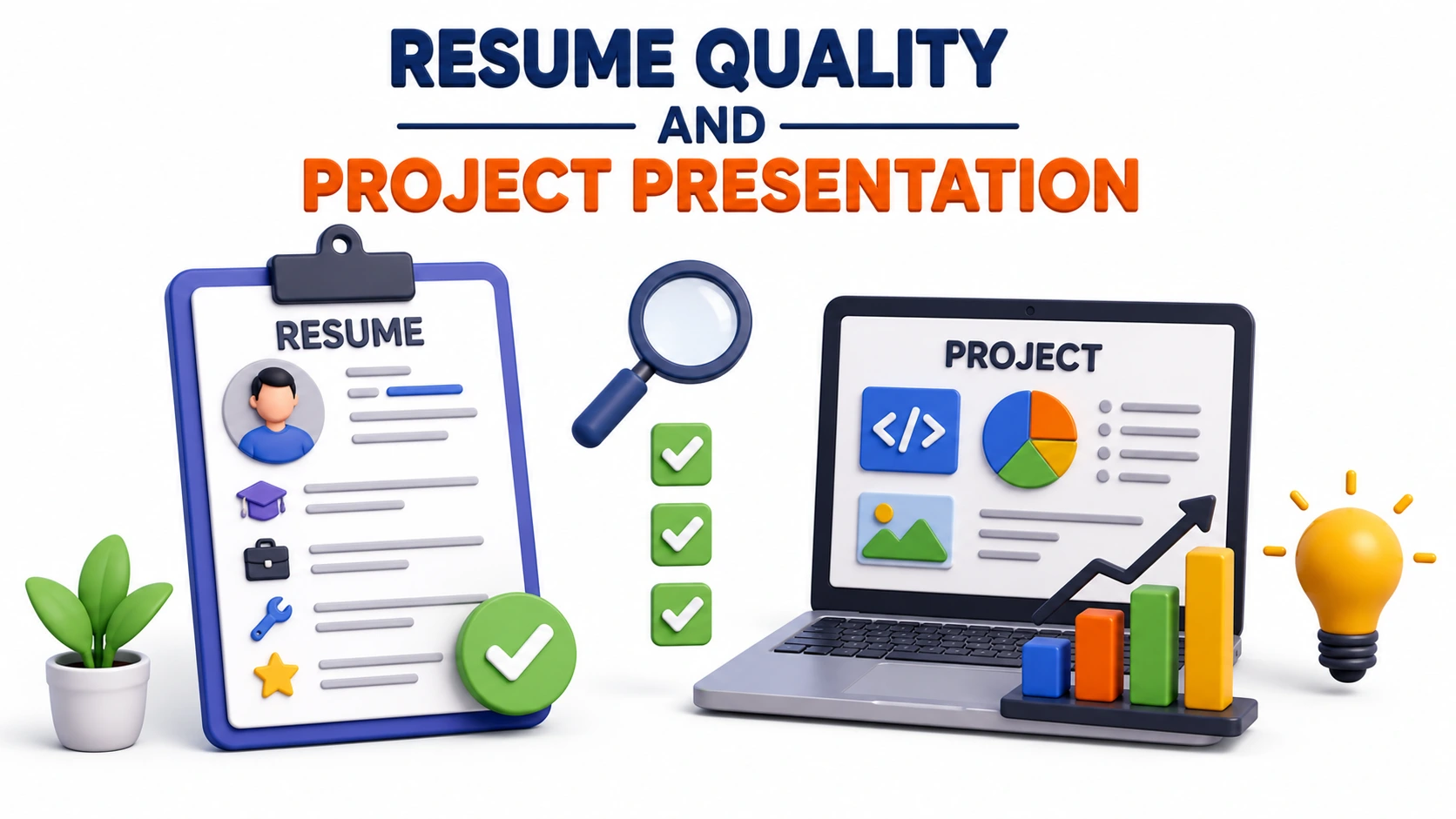
Your resume is often the first opportunity to impress a recruiter. Before asking technical questions, interviewers usually spend a few minutes reviewing your resume and deciding which areas they want to discuss.
A well-structured resume highlights your skills and projects honestly, while a poorly prepared resume raises concerns about your credibility.
Common Resume Mistakes Freshers Should Avoid
- Copy-pasted career objectives
- Generic project descriptions
- Mentioning tools without practical knowledge
- Including fake work experience
- Spelling and grammar mistakes
- Poor formatting
- Listing too many unrelated skills
- Missing technical projects
These mistakes create a negative impression and often lead interviewers to question the authenticity of the candidate's profile.
Why Project Knowledge Matters
Almost every software testing interview includes questions about projects.
Recruiters may ask:
- What was your project about?
- Which modules did you test?
- How did you prepare test cases?
- What defects did you identify?
- Which testing types did you perform?
- What challenges did you face?
Candidates who have completed project-oriented Software Testing Certification Training in India usually answer these questions more confidently because they have already practiced testing real applications.
Understanding Modern Software Development Practices
Software testing today is closely integrated with modern software development methodologies. Companies expect freshers to understand not only testing concepts but also how testing fits into the overall software development process.
Without this understanding, candidates often struggle to answer questions about project workflows, team collaboration, and release management.
Concepts Every Fresher Should Understand
Recruiters commonly expect knowledge of:
- Agile Methodology
- Scrum Framework
- Sprint Planning
- Daily Stand-up Meetings
- User Stories
- Product Backlog
- Sprint Review
- Sprint Retrospective
Understanding these concepts helps freshers see the bigger picture instead of viewing testing as an isolated activity.
Why Agile Knowledge Is Important
Most software companies today follow Agile because it enables faster development, continuous feedback, and frequent software releases. In Agile projects, software testers are involved from the beginning of the development cycle. They participate in requirement discussions, sprint planning meetings, and daily stand-ups while continuously validating software quality.
Candidates who understand Agile workflows demonstrate that they are ready to work in modern software development environments.
Many Software Testing Classes in India now include Agile methodology, Scrum practices, and DevOps awareness as part of their curriculum to help students align with current industry standards.
How Recruiters Evaluate Freshers During a Software Testing Interview
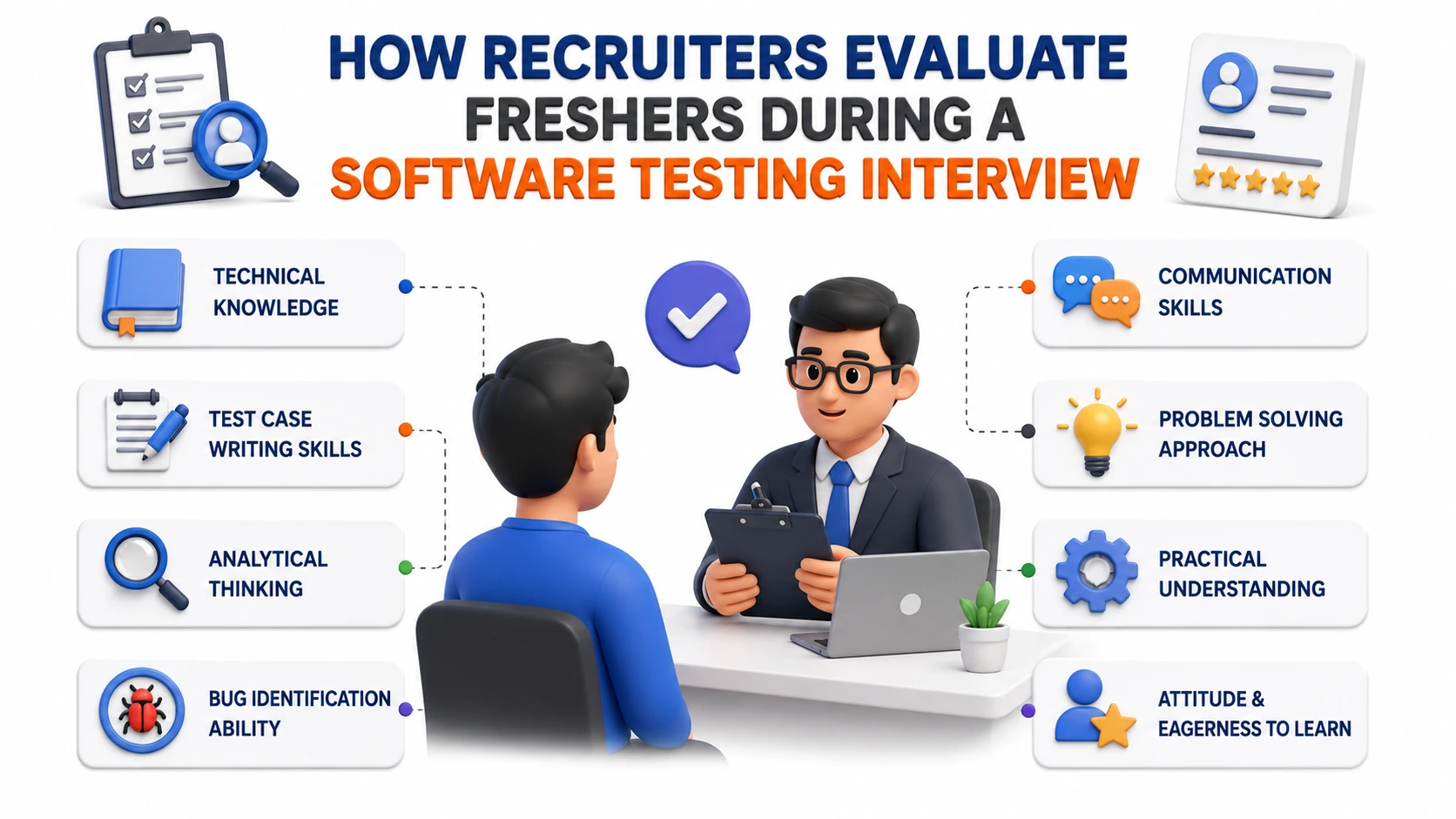
Many candidates assume interviews are conducted only to assess technical knowledge. In reality, recruiters evaluate multiple aspects before making a hiring decision.
Understanding these evaluation criteria helps freshers prepare more effectively.
Recruiters Usually Assess
- Manual Testing knowledge
- Automation Testing fundamentals
- Logical reasoning
- Problem-solving skills
- Communication ability
- Project understanding
- Tool familiarity
Freshers who invest in practical learning through Software Testing Course in India, participate in live projects, and continuously upgrade their skills are far more likely to impress recruiters than those who rely solely on theoretical preparation.
Building an Interview-Ready Skill Set
Getting rejected in software testing interviews doesn't necessarily mean you lack potential—it often means there are specific skills that need further development. The good news is that most of these skills can be learned with consistent practice, the right guidance, and exposure to real-world testing scenarios.
Below are some practical steps that can significantly improve your chances of securing your first software testing job.
1). Strengthen Your Manual Testing Fundamentals
Manual testing remains the backbone of software testing, and every fresher should have a strong understanding of its core concepts before moving to automation.
Focus on mastering:
- Software Development Life Cycle (SDLC)
- Software Testing Life Cycle (STLC)
- Test Planning
- Test Case Design Techniques
- Bug Life Cycle
- Severity and Priority
- Functional Testing
2). Learn Automation Testing Fundamentals
While many fresher roles begin with manual testing, companies increasingly prefer candidates who also understand the basics of automation.
Start learning:
- Selenium
- Playwright
- TestNG
- Java or Python basics
- Automation Framework concepts
3). Gain Hands-on Experience Through Projects
Projects play a crucial role in demonstrating your practical knowledge. Recruiters often spend more time discussing projects than asking theoretical questions because projects reveal how you approach real-world testing challenges.
Work on projects where you can practice:
Start learning:
- Writing test cases
- Executing test scenarios
- Reporting defects
- API Testing
- Database validation
- Cross-browser testing
4). Improve Your Technical Skills
Modern software testing extends beyond manual testing. Recruiters appreciate candidates who continuously build their technical expertise.
Important skills include:
- SQL Queries
- API Testing using Postman
- Jira
- Git and GitHub
- Browser Developer Tools
- Agile Methodology
5). Prepare for Interviews Strategically
Many candidates spend weeks studying technical concepts but forget to prepare for the interview itself.
Before attending interviews:
- Practice mock interviews.
- Prepare your self-introduction.
- Revise your projects thoroughly.
- Practice writing test cases.
- Solve scenario-based questions.
- Improve communication skills.
Final Thoughts
Software testing continues to be one of the most rewarding career options for fresh graduates entering the IT industry. As organizations increasingly prioritize software quality, the demand for skilled testers remains strong. Investing in the right Software Testing Training, enrolling in a practical Software Testing Course in India, participating in industry-oriented Software Testing Training in India, completing Software Testing Certification Training in India, and attending hands-on Software Testing Classes in India can help you bridge the gap between academic learning and industry expectations.






 +91-8882178896
 +1 (343) 477-0926