
What Is Workday Payroll & Workday Payroll Services? A Complete Guide For Professionals
Table of Contents
1. Getting Started with Workday Payroll
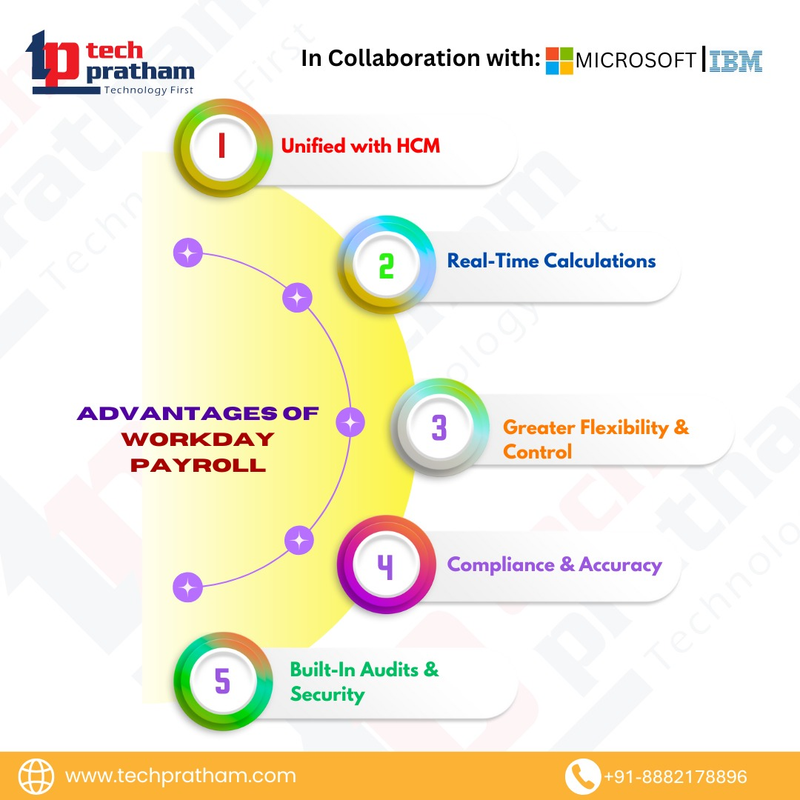
Payroll processing is no longer just a backend job in the digital society we live in now. Workday Payroll is a modern, cloud-based tool that makes payroll easier and more automated while also making sure that everything is legal and clear. It works perfectly with Workday HCM, so companies can keep their HR and finance management in sync.
Businesses can quickly and accurately handle all aspects of payroll using Workday Payroll. Workday has a flexible and legal solution for calculating net pay, deducting benefits, and tracking time worked.
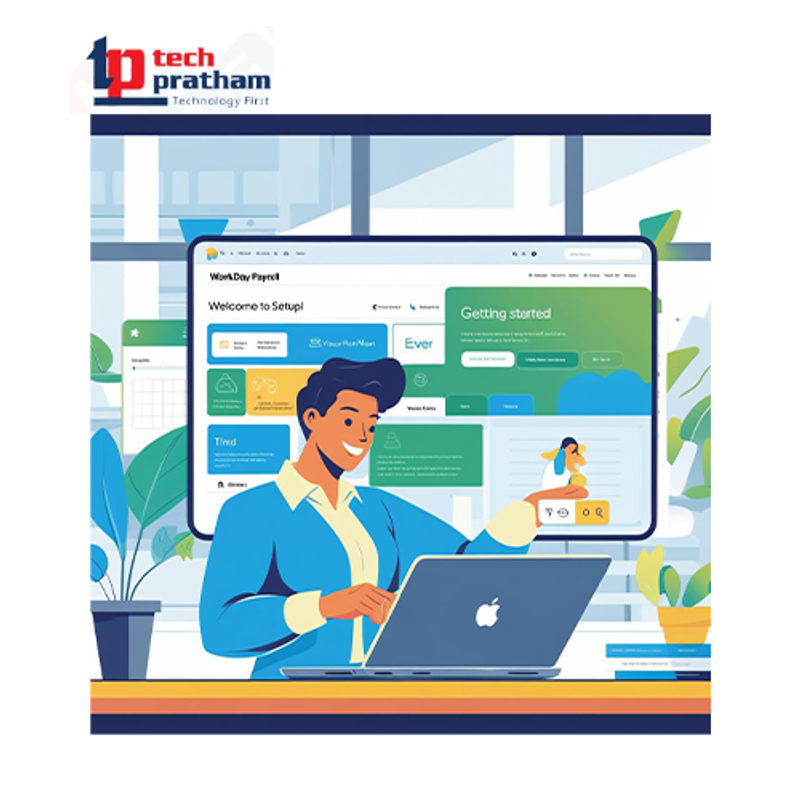
2. Setting up and configuring tenants
The tenant is the most important part of Workday's structure. It is a safe and customisable space that meets the demands of your organisation. Setting up tenants in Workday Payroll means setting up the organization's structure, scheduling payroll cycles, giving out security roles, and making sure the data architecture is right for payroll operations.
3. Framework for Processing Payroll
The correct foundation is the first step to an efficient payroll. Businesses can use Workday to set up payroll periods, define pay groups, and set criteria for how employees can choose how they want to be paid. These parts make a smooth processing framework that makes sure that salaries are paid on time and that records are kept.
4. Pay, Deductions, and Benefits
Earnings and deductions are the heart of payroll calculations. With Workday Payroll, businesses may set up different sorts of pay, such as regular salary and pay based on hours worked. Similarly, deductions such as taxes, insurance, and loans can be automated. This makes sure that everything is clear and follows the law.
Additionally, the platform supports validation of net pay and configuration of payroll audits, ensuring that employees are paid accurately every cycle. It integrates with benefit plans and compensation structures while offering powerful payroll security through role-based access.
5. Tax Reporting and Compliance
Workday Payroll simplifies federal, state, and local tax compliance. It enables the setup of tax authorities, definition of exceptions, and handling of worker tax elections. In India, while the tax structures differ, Workday Payroll offers configurable templates and integration points for TDS, PF, ESI, and other local requirements.
6. Withholding Orders & Deduction Recipients
Handling court-ordered deductions or involuntary withholding becomes easier with Workday. Users can set up deduction recipients, automate the lifecycle of withholding orders, and manage amendments or terminations without human error.
7. Payroll Accounting
Payroll isn’t just about paying salaries; it’s about accurate financial reporting. Workday Payroll automates payroll accounting, allowing organizations to operate payroll journals and review accounting results. Integration with Workday Financial Management ensures seamless transfer of payroll costs to general ledger.
8. Roles & Security Configuration
Security in payroll is paramount. Workday training in India allows the creation of specific security groups, especially pay component-based security roles. These ensure that sensitive payroll information is only accessible to authorized users.
9. Payroll Business Processes
Workday enables the customization of business processes specifically tailored to payroll needs. Organizations can define steps, notifications, conditions, and approvers for each payroll business workflow.
10. Payroll Input and Loan Management
From manual overrides to complex loan configurations, Workday provides tools to manage various payroll inputs. It supports creation of custom entries, one-time bonuses, and automated loan repayment schedules, enhancing flexibility.
11. On-Cycle and Off-Cycle Processing
Payroll doesn’t always follow a fixed schedule. Workday supports both on-cycle (regular) and off-cycle (emergency or manual) payments. Off-cycle processing includes one-time adjustments, reversals, and bonus payouts — all handled with complete audit trails.
12. Why Workday Payroll Matters in India
With India emerging as a major IT and outsourcing hub, accurate and scalable payroll systems are critical. Workday’s cloud-native payroll system addresses the complexities of Indian payroll like multi-state compliance, statutory deductions, and frequent regulatory updates.
The integrated tenant access, real-time dashboards, and mobile accessibility make it ideal for Indian enterprises and global organizations operating from India.
13. Workday Payroll Training in India
Aspiring HR and finance professionals across India are recognizing the need for Workday Payroll training. Platforms like Tech Pratham offer hands-on, job-oriented courses on:
- Workday Payroll configuration
- Workday HCM integration
- Payroll audits and accounting
- Real-world payroll project implementation
- Target Locations:
- Workday Training in Noida
- Workday Training in Hyderabad
- Workday Training in Bangalore
- Workday Training in Pune
- Training includes live classes, tenant access, certification assistance, and interview prep for real-world job roles.
14. Visual Suggestions for Better Learning
Infographic: Workday Payroll Lifecycle
Flowchart: Payroll Processing Framework
Carousel Posts: Earnings vs Deductions, Payroll Audit, Withholding Orders
Short Videos: Off-cycle Processing, Payroll Reporting Demo
Testimonial Reels: Real-life transitions from HR Execs to Workday Consultants
Conclusion
Workday Payroll is not just a cloud tool — it’s a career-enhancing platform. As Indian professionals continue to seek growth in HR tech, understanding the nuances of Workday Payroll will provide them a strong edge. Whether you're an HR executive, payroll analyst, or finance associate, now is the time to skill up with Workday.