Start typing to search courses...

Type in the search box to find courses
CoursesSoftware Testing
Foundational Testing & Certifications
Software Testing

Foundational Testing & Certifications

Foundational Testing & Certifications help beginners understand the core concepts of software testing, quality assurance, defect management, and testing methodologies used in the IT industry.

5/5(4,890 Reviews)

Level

Advanced

Duration

8 Weeks

About
Training Plan
Course Curriculum
New Batch
Projects
Certificate
Testimonials
FAQ
Interview FAQ

Placement Client

Accenture Logo
AWS Logo
Capgemini Logo
Deloitte Logo
Genpact Logo
HP Logo
Intel Logo
Microsoft Logo
Infosys Logo
Zoho Logo
Zelis Logo
Wipro Logo
Saint Gobain Logo
ONX Logo
Nava Logo
Infosys Logo
HCL Logo
Egon Zehnder Logo
Cognizant Logo
Bosch Logo
Bank of America Logo
Accenture Logo
AWS Logo
Capgemini Logo
Deloitte Logo
Genpact Logo
HP Logo
Intel Logo
Microsoft Logo
Infosys Logo
Zoho Logo
Zelis Logo
Wipro Logo
Saint Gobain Logo
ONX Logo
Nava Logo
Infosys Logo
HCL Logo
Egon Zehnder Logo
Cognizant Logo
Bosch Logo
Bank of America Logo

About Foundational Testing & Certifications

Foundational Testing & Certifications are designed to help learners build a strong understanding of software testing principles, quality assurance methodologies, and industry-standard testing practices used in modern software development environments across the Indian IT industry. These foundational programs under Software Testing Training in India are highly beneficial for beginners, freshers, manual testers, and IT professionals who want to start or strengthen their careers in software testing and quality assurance.

The training in India is suitable for freshers, non-IT graduates, software testing beginners, manual testers, and working professionals who want to build a strong base in software testing and quality assurance. No advanced programming knowledge is generally required for foundational-level testing programs, making them ideal for beginners entering the IT industry in India.

Video Thumbnail

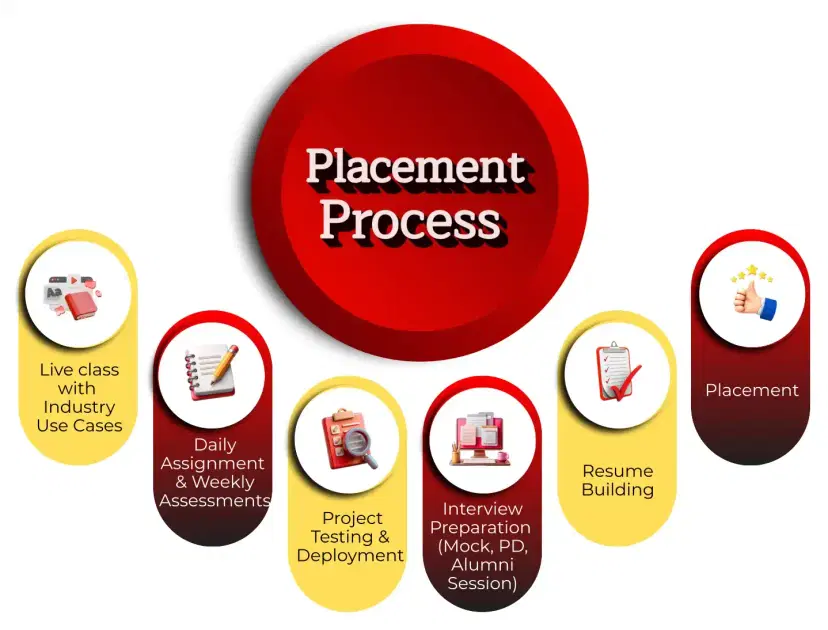
Training Plan

01
About trainer

About trainer

Working professional who is carrying more then 10 years of industry experience.

02
Decks & Updated Content

Decks & Updated Content

Access to updated presentation decks shared during live training sessions.

03
e-Book

e-Book

E-book provided by TechPratham. All rights reserved.

04
Assignments & MCQs

Assignments & MCQs

Module-wise assignments and MCQs provided for practice.

05
Video Recording

Video Recording

Daily Session would be recorded and shared to the candidate.

06
Projects

Projects

Live projects will be provided for hands-on practice.

07
Resume Building

Resume Building

Expert-guided resume building with industry-focused content support.

08
Interview Preparation

Interview Preparation

Comprehensive interview preparation with real-time scenario practice.

Course Details

Introduction to Software Testing

Introduces the purpose, principles, and importance of software testing in the software development lifecycle.

Definition and objectives of software testing
Software quality and assurance concepts
Errors, defects, and failures
Myths and facts about testing
Role of a software tester

Software Development Life Cycle (SDLC) and Testing Life Cycle (STLC)

Explains how testing activities align with software development processes.

Overview of SDLC models (Waterfall, Agile, V-Model)
Testing phases in SDLC
Software Testing Life Cycle (STLC) phases
Entry and exit criteria
Deliverables and documentation

 Testing Types and Levels

Covers different testing approaches and levels used to validate software quality.

Levels of testing (Unit, Integration, System, Acceptance)
Functional vs non-functional testing
Regression and re-testing
Smoke and sanity testing
Exploratory testing basics

Test Design Techniques

Focuses on systematic techniques for designing effective and efficient test cases.

Black-box testing techniques
White-box testing techniques
Boundary value analysis
Equivalence partitioning
Decision tables and state transition testing

Test Management and Defect Tracking

Introduces test planning, execution management, and defect lifecycle concepts.

Test planning and estimation
Test case management
Defect lifecycle and severity vs priority
Defect tracking tools overview
Test closure activities

Introduction to Test Automation

Provides a foundation in automation testing concepts and tool awareness.

Manual vs automation testing
Automation testing benefits and limitations
Overview of automation tools
Basic scripting concepts
Automation feasibility analysis

Software Testing Courses

No related courses found

Additional Program Highlights

Learning Materials

Comprehensive study materials and resources

HD
Resume Writing

Professional resume building session

HD
Interview Preparation

Master your interview skills

HD
Live Project Demo

Real-world project demonstrations

HD

Upcoming Batches

Can't find a batch you were looking for?

Who Should Enroll in this Course

IT Professionals

Non-IT Career Switchers

Fresh Graduates

Job Opportunities

Software Testing Associate

Validation Engineer

Test Coordinator

Key Projects

Project Section

Accenture

AccentureAccenture QA Foundation Pro


Scenario: Established foundational testing standards aligned with global certification frameworks improving test planning execution traceability and governance.

Live Work:

  • Defined ISTQB aligned process
  • Created structured test plans
  • Conducted QA certification prep
Outcome: Improved QA maturity standards
Tata Consultancy Services

Tata Consultancy ServicesTCS Core Testing Academy


Scenario: Implemented structured quality assurance lifecycle with certification focused learning modules enhancing defect prevention and audit readiness.

Live Work:

  • Designed QA learning tracks
  • Standardized test artifacts
  • Enabled internal mock exams
Outcome: Enhanced certified tester pool
Infosys

InfosysInfosys TestCraft Program


Scenario: Developed foundational testing competency model integrating certification pathways structured execution cycles and compliance reporting.

Live Work:

  • Built competency framework
  • Aligned testing best practices
  • Conducted skill assessments
Outcome: Raised testing capability index
Capgemini

CapgeminiCapgemini Quality BaseLine


Scenario: Deployed standardized testing methodology supporting certification readiness governance audits and consistent delivery across projects.

Live Work:

  • Documented QA standards
  • Implemented review checklists
  • Organized certification drives
Outcome: Strengthened QA governance
Mobile Banner

Latest HiringNEW

No hiring posts

Recently Placed Candidates

No placements available

Latest HiringNEW

No hiring posts

Our Success Mantra

Commitment Icon
Commitment

  • Ensuring quality training every day

Commitment Icon
Fulfillment

  • Meeting learning goals with confidence

Commitment Icon
Accomplishment

  • Students achieving industry-ready expertise

Our Learner Voice

carousel
carousel
carousel
carousel
carousel
carousel
carousel
carousel
carousel
carousel
carousel
carousel
carousel
carousel
carousel
carousel
carousel
carousel
carousel
carousel
carousel
carousel
carousel
carousel
carousel
carousel
carousel
carousel
carousel
carousel
carousel
carousel
carousel
carousel
carousel
carousel
carousel

Beyond Courses:

Additional Support We Provide

24/7 Support

LinkedIn Profile

Resume Writing

Alumni Sessions

Interview Preparation

Live Projects

What is foundational software testing?

What is the Software Testing Life Cycle (STLC)?

What are the key types of testing?

What is the difference between QA and software testing?

What is test automation and why is it important?

What is ISTQB Foundation Level certification?

What is the purpose of software testing?

 What is the difference between QA and testing?

What are the key stages of STLC?

Explain the difference between functional and non-functional testing.

What is regression testing and when is it done?

What is a test case and what should it include?

Foundational Testing & Certifications

Foundational Testing & Certifications program follows a structured learning and certification framework covering core software testing concepts, quality assurance methodologies, manual testing processes, defect management, SDLC, STLC, Agile testing, and industry-standard testing practices.

Across these certifications and training programs, the learning structure is generally consistent:

Training Cost: Approximately ₹8,000 – ₹40,000 depending on course level and institute

Course Duration: 1 to 4 months

Passing Score: 60% – 70% in certification assessments

Exam Format: MCQ (Multiple Choice Questions) + Practical Assignments

This standardized training and certification framework ensures a consistent and reliable understanding of software testing fundamentals, QA methodologies, and practical testing processes used across the IT industry.

Note (Beginner-Level Testing Certification Pathway):

For beginner-level software testing certifications, candidates are generally introduced to manual testing concepts, SDLC, STLC, defect lifecycle, test case preparation, and Agile methodologies before moving to advanced testing technologies.

Note (Professional Testing Certification Pathway):

Professional-level testing certifications focus on advanced quality assurance concepts, test management, automation basics, real-time project exposure, and industry-standard testing practices. These certifications are recommended after gaining practical understanding of foundational testing concepts.

Note (Technical Testing Certification Pathway):

Technical certifications related to automation testing, Selenium, API testing, performance testing, and Agile testing frameworks are generally part of the advanced testing pathway and are usually pursued after completing foundational software testing training. Prerequisites and technical requirements may vary depending on the certification program and specialization track.


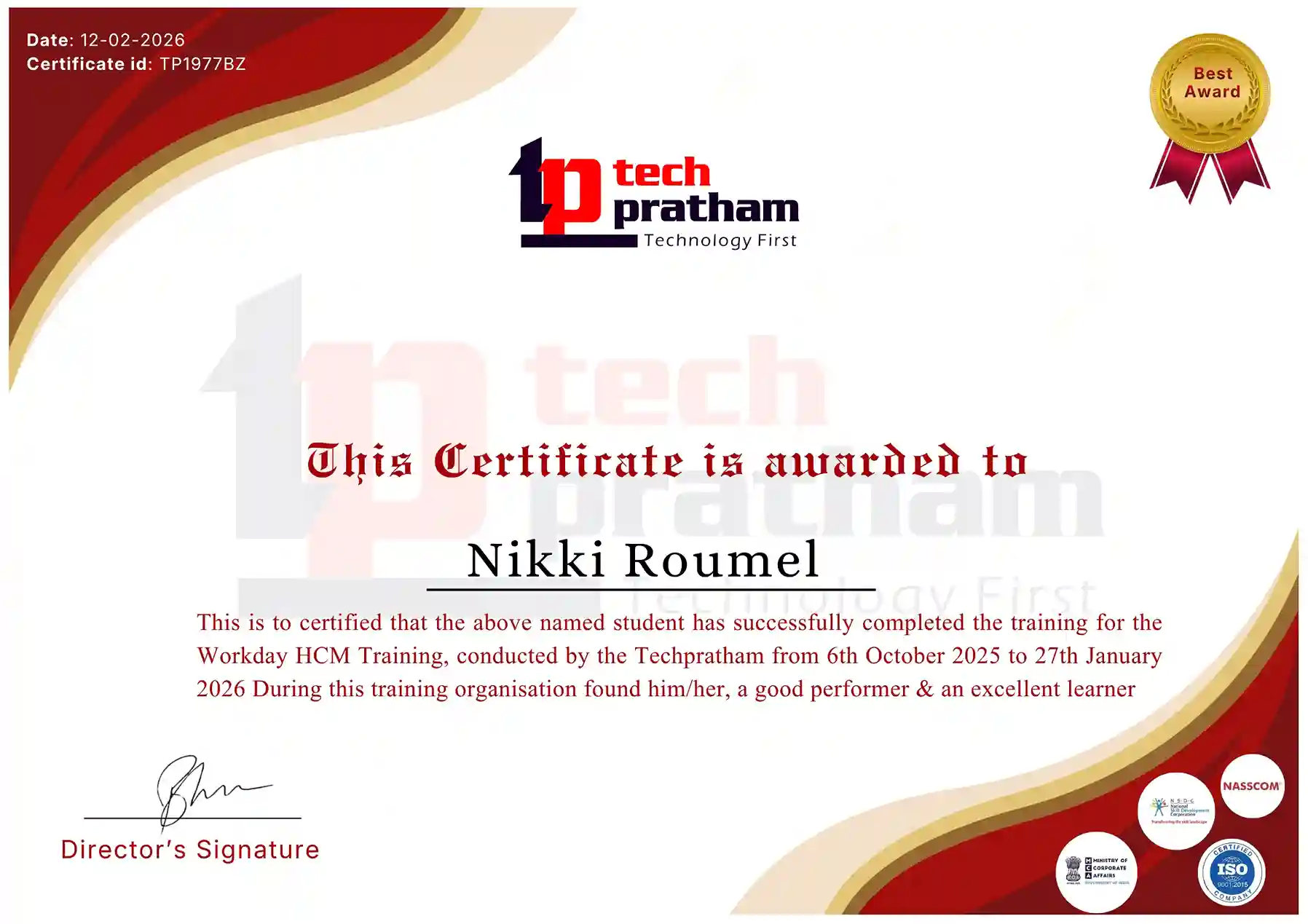
Industry-Recognized Certification

Certificate
Foundational Testing & Certifications

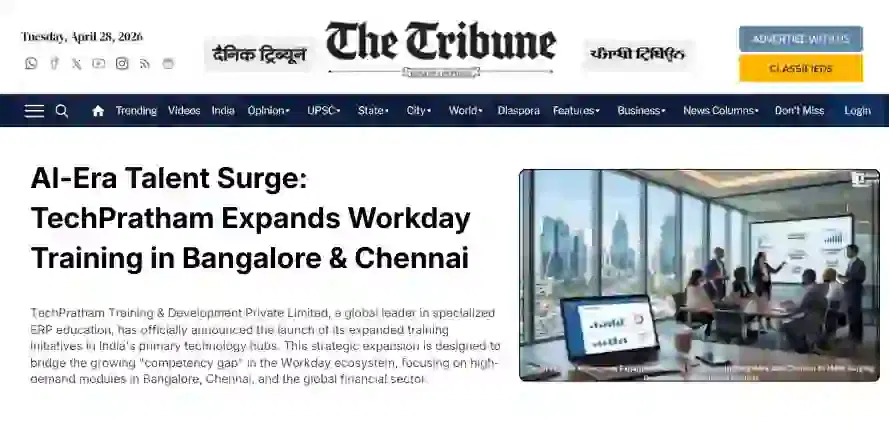
News Highlights

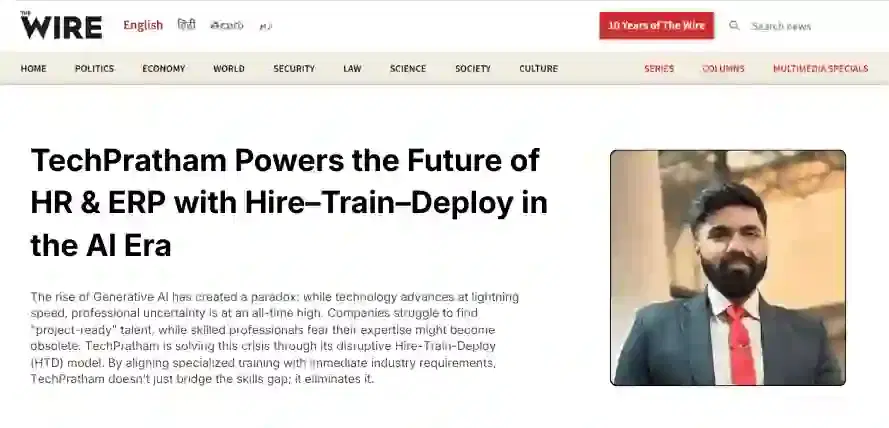
TechPratham Introduces Hire-Train-Deploy Model to Transform HR & ERP Talent in the AI Era
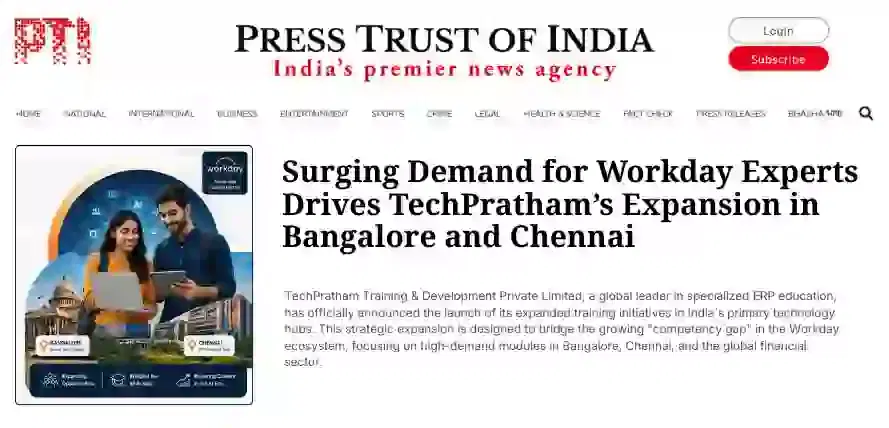
TechPratham Empowering Future Professionals Through AI-Focused HR & ERP Training

Featured In

Featured Logo 1Featured Logo 2Featured Logo 3Featured Logo 4Featured Logo 5Featured Logo 6Featured Logo 7Featured Logo 8Featured Logo 9Featured Logo 10Featured Logo 11Featured Logo 12
TechPratham Gains Recognition for Bridging the HR & ERP Skills Gap with Hire-Train-Deploy
TechPratham's Hire-Train-Deploy Approach Reshaping HR & ERP Careers in the AI-Driven Industry
India Flag

India

Head Office

G-31, 1st Floor, Sector-3, Noida - 201301

India Flag+91-8882178896
WhatsApp
USA Flag+1 (343) 477-0926
WhatsApp
India Flag

India

Noida Office

C-2, Sector-1, Noida, Uttar Pradesh - 201301

India Flag+91-8882178896
WhatsApp
USA Flag+1 (343) 477-0926
WhatsApp
India Flag

India

Hyderabad Office

LVS Arcade, 6th Floor, Hitech City, Hyderabad

India Flag+91-8383058741
WhatsApp
USA Flag+1 (343) 477-0926
WhatsApp
© 2026 TechPratham. All rights reserved.An ISO 9001:2015 Certified Company