The demand for data analysts has grown rapidly over the past few years, and in 2026, it continues to be one of the most promising career paths for students and working professionals alike. Choosing a Data Analytics Certification Training in India is one of the most effective ways to build practical skills, gain real-world experience, and prepare for today's competitive job market. Whether you're a student, recent graduate, or working professional looking to switch careers, a structured learning path can significantly improve your chances of landing your first data analytics role.
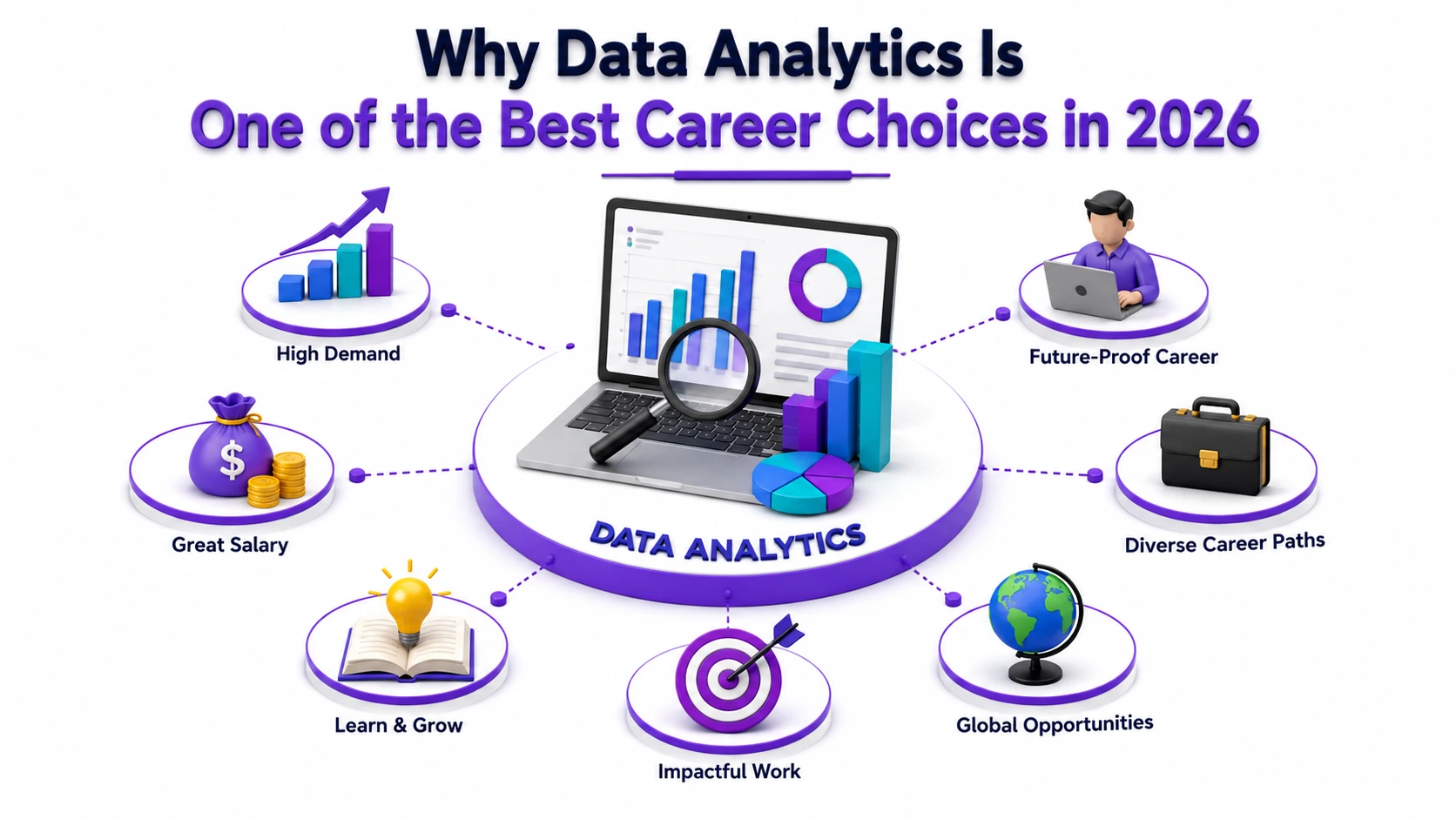
Why Data Analytics Is One of the Best Career Choices in 2026
Data has become one of the most valuable assets for modern businesses. Every online purchase, website visit, customer interaction, and financial transaction generates valuable information. Companies need skilled professionals who can transform this raw data into meaningful insights that support smarter business decisions.
This is where data analysts play a critical role. Some of the key reasons why data analytics is an excellent career choice include:
- High demand across multiple industries
- Attractive salary packages for freshers and experienced professionals
- Opportunities to work remotely or in hybrid roles
- Continuous learning and career growth
- Strong demand for practical skills over traditional degrees
As businesses continue investing in digital transformation, professionals who complete a Data Analytics Course with practical projects are likely to remain in high demand for years to come.
Do You Really Need a Computer Science Degree?
This is probably the most common question asked by aspiring data analysts. The simple answer is No. Most entry-level data analyst positions focus on your skills rather than your academic background. Recruiters generally evaluate candidates based on:
- Problem-solving ability
- Knowledge of Excel and SQL
- Understanding of statistics
- Dashboard creation
- Python basics
- Communication skills
- Real-world project experience
Many companies actively hire candidates from diverse educational backgrounds because different industries benefit from professionals who understand both business and data.
For Example:
- A commerce graduate may excel in financial analytics.
- A biology graduate can contribute to healthcare analytics.
- A marketing professional may transition into digital marketing analytics.
- An economics student already has strong analytical thinking skills.
Real-Life Examples of Successful Career Transitions
Many professionals have successfully entered the field of data analytics without holding a Computer Science degree. Here are a few examples that illustrate how transferable skills can lead to rewarding careers.
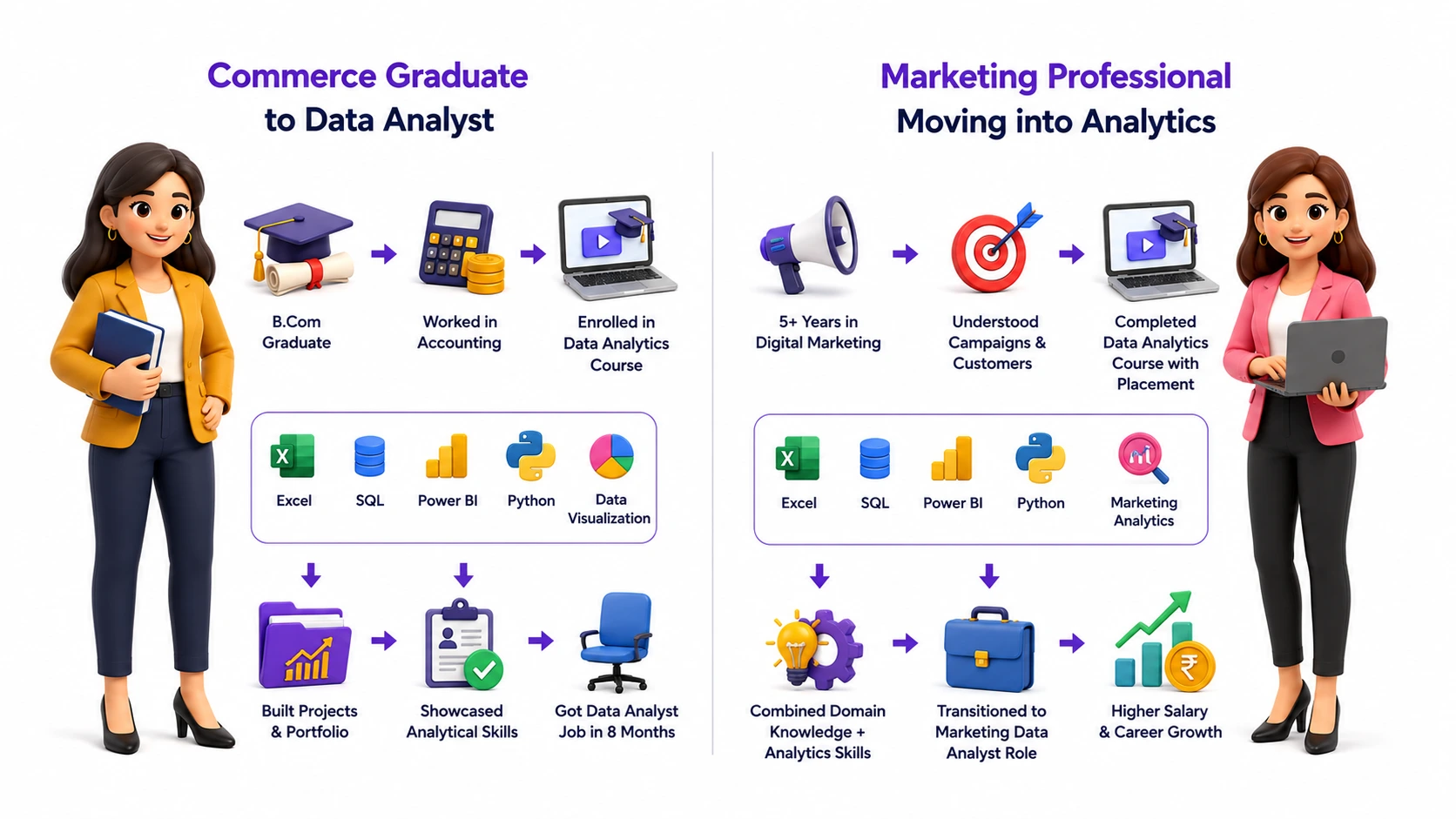
Example 1: Commerce Graduate to Data Analyst
Priya completed her B.Com degree and initially worked in accounting. While she was comfortable working with numbers, she wanted a role that offered better career growth and exposure to modern technology.
She enrolled in an Online Data Analytics Course, where she learned Excel, SQL, Power BI, Python, and data visualization. By building a portfolio of practical projects and showcasing her analytical skills, she secured an entry-level data analyst position within eight months.
Her commerce background actually became an advantage, especially when working on financial reports and business performance analysis.
Example 2: Marketing Professional Moving into Analytics
Neha had five years of experience in digital marketing. She already understood customer behavior and campaign performance but lacked technical analytical skills.
After completing a Data Analytics Course with Placement, she learned Power BI, Excel automation, SQL, and Python for marketing analytics.
Her combination of domain expertise and analytical skills helped her transition into a Marketing Data Analyst role with a significantly higher salary.
Skills You Need to Become a Data Analyst in 2026
The good news is that you don't need to master advanced programming or artificial intelligence before applying for entry-level positions.
Instead, focus on building a strong foundation in the following skills.
1. Microsoft Excel
Despite the rise of modern analytics platforms, Excel remains one of the most widely used tools in business. You should know how to:
- Pivot Tables
- Pivot Charts
- VLOOKUP and XLOOKUP
- INDEX-MATCH
- Conditional Formatting
- Data Cleaning
2. SQL (Structured Query Language)
SQL is the language used to retrieve and manipulate data stored in databases. A data analyst should know how to:
- Write SELECT queries
- Filter records
- Join multiple tables
- Group and aggregate data
- Create subqueries
3. Statistics
You don't need to become a mathematician, but you should understand the statistical concepts commonly used in business analysis. These include:
- Mean
- Median
- Mode
- Standard Deviation
- Correlation
- Probability
- Hypothesis Testing
4. Python
Python has become one of the most popular programming languages for data analytics because it is beginner-friendly and highly versatile. Focus on learning:
- Variables
- Loops
- Functions
- Pandas
- NumPy
- Data Cleaning
5. Power BI or Tableau
Data visualization is one of the most valuable skills employers look for. Power BI and Tableau allow analysts to convert complex datasets into interactive dashboards that are easy for business stakeholders to understand. A strong Best Data Analytics Course should include multiple dashboard-building projects using Power BI.
6. Business Understanding
Technical skills alone are not enough. A successful analyst must understand business questions such as:
- Why are sales declining?
- Which products generate the highest profit?
- Which customers are likely to churn?
- How can operational costs be reduced?
Why Practical Learning Matters More Than Theory
One of the biggest mistakes beginners make is spending months watching tutorials without applying what they've learned.
Recruiters don't just want certificates—they want proof that you can work with real datasets.
This is why choosing a
Data Analytics Certification Training in India that emphasizes practical learning is essential. A well-designed program should include industry-relevant projects, case studies, dashboard development, and hands-on exercises that simulate real workplace scenarios.
Similarly, a Data Analytics Course in India that offers mentorship, portfolio guidance, and interview preparation can give you a significant advantage over candidates who have only theoretical knowledge.
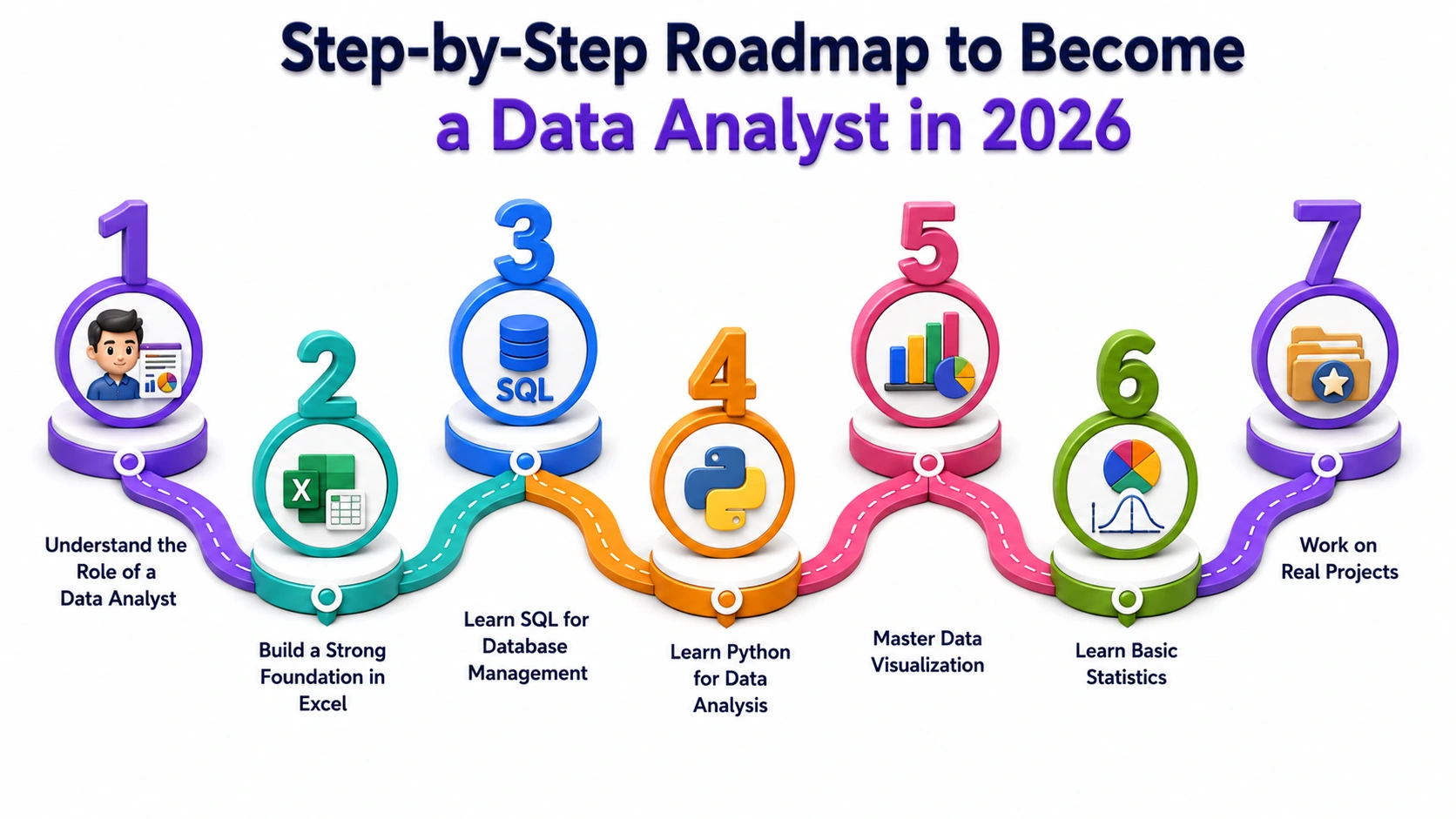
Step-by-Step Roadmap to Become a Data Analyst in 2026 Without a Computer Science Degree
Now that you understand the skills required, the next question is: Where should you start?
Many beginners feel overwhelmed because there are countless tutorials, certification programs, and learning platforms available online. The key is not to learn everything at once but to follow a structured roadmap that gradually builds your skills and confidence.
Whether you're a college student, a recent graduate, or a working professional, the following roadmap will help you prepare for a successful career in data analytics
Step 1: Understand the Role of a Data Analyst
Before learning technical tools, it's important to understand what a data analyst actually does on a daily basis. A typical data analyst is responsible for:
- Collecting data from different sources
- Cleaning and organizing raw datasets
- Identifying patterns and trends
- Creating dashboards and reports
- Presenting insights to stakeholders
- Supporting business decisions with data
For example: Imagine an e-commerce company notices that online sales have dropped over the past three months. Instead of guessing the reason, the data analyst examines customer behavior, website traffic, marketing campaigns, and product performance. After analyzing the data, they may discover that most customers abandon their shopping carts during the payment process, helping the company fix the issue and improve conversions.
This example highlights an important point: data analysts solve business problems using data, not just software tools.
Step 2: Build a Strong Foundation in Excel
Although many people assume Excel is outdated, it remains one of the most widely used tools in analytics. In fact, many companies still rely on Excel for:
- Data Cleaning
- Pivot Tables
- Pivot Charts
- IF Statements
- VLOOKUP & XLOOKUP
- INDEX-MATCH
- Conditional Formatting
- Advanced Charts
A good Data Analytics Course should include practical Excel assignments using real business datasets rather than just theoretical exercises.
Step 3: Learn SQL for Database Management
Once you're comfortable with Excel, move on to SQL. Almost every medium or large organization stores data in databases, and SQL is the standard language used to access that information.
- SELECT statements
- WHERE conditions
- ORDER BY
- GROUP BY
- HAVING
- Joins
- Aggregate Functions
- Subqueries
Real-World ExampleSuppose a retail company has millions of customer records. Instead of opening a spreadsheet with millions of rows, analysts write SQL queries to answer questions such as:
Which products generated the highest revenue?
Which customers made purchases in the last six months?
Which city has the highest number of returning customers?
Learning SQL dramatically improves your efficiency and is considered a must-have skill for aspiring data analysts
Step 5: Master Data Visualization
Data is only valuable if decision-makers can understand it.
This is why visualization tools like Power BI and Tableau have become essential. A professional dashboard should answer business questions at a glance.For example:
A sales dashboard can display (Monthly Revenue, Regional Performance, Top-Selling Products, Customer Growth, Profit Margin, Sales Trends) Employers highly value candidates who can transform raw data into clear and actionable dashboards.
If you're choosing the Best Data Analytics Course, make sure it includes multiple Power BI projects and dashboard-building exercises based on real business scenarios.
Step 6: Learn Basic Statistics
Statistics helps you understand what the data is actually telling you. Some of the most important concepts include:
- Mean
- Median
- Mode
- Variance
- Standard Deviation
- Correlation
- Distribution
For instance, if an online retailer wants to understand why customer satisfaction scores are decreasing, statistical analysis can reveal patterns that aren't immediately visible.
You don't need an advanced mathematics background—just a practical understanding of these concepts and how they apply to business decisions
Step 7: Work on Real Projects
This is the stage where many learners either stand out or fall behind. Watching tutorials is helpful, but applying your skills to solve real-world problems is what truly prepares you for interviews and the workplace. Here are some project ideas that can strengthen your portfolio:
- Sales Performance Dashboard
- HR Analytics Dashboard
- E-Commerce Customer Analysis
- Healthcare Analytics
- Banking Analytics
Step 8: Build a Professional Portfolio Projects
A portfolio is one of the strongest assets you can have when applying for jobs. Recruiters often prefer candidates who can demonstrate practical experience over those who simply list certifications. Your portfolio should include:
- Excel dashboards
- SQL query projects
- Python notebooks
- Power BI dashboards
- Business case studies
- Project documentation
- Data cleaning examples
Each project should explain:
- The business problem
- The dataset used
- The tools applied
- Your analysis process
- Key findings
- Business recommendations
A well-documented portfolio reflects your problem-solving approach and makes a strong impression on hiring managers.
How Long Does It Take to Become Job-Ready
One of the most common questions beginners ask is, "How long will it take to become a data analyst?" The answer depends on your learning pace and consistency.
A realistic timeline is:
With focused learning and regular practice, many learners can become job-ready in 5 to 7 months.
Enrolling in an Online Data Analytics Course can help accelerate this journey by providing a structured curriculum, mentorship, practical assignments, and access to experienced instructors.
Choosing the Right Data Analytics Certification Training in India
By now, you have a clear roadmap for learning the technical skills required to become a data analyst. However, one decision can significantly impact your learning journey and career opportunities—choosing the right training program.
With hundreds of institutes and online platforms offering analytics courses, it's easy to get confused. While many courses promise quick results, not all of them provide the practical experience and career support that employers expect.
Techpratham provides high-quality Data Analytics Certification Training in India that should focus on developing job-ready skills rather than just completing a syllabus. Recruiters are more interested in what you can do with data than the certificate you receive.
What Should You Look for in a Data Analytics Course?
Before enrolling in any program, evaluate it based on the following factors:
1. Industry-Relevant Curriculum
The curriculum should cover the tools and technologies that companies currently use, including:
- Microsoft Excel
- SQL
- Python
- Power BI
- Tableau (optional but valuable)
- Statistics
- Data Cleaning
- Data Visualization
- Business Analytics
2. Hands-on Projects
Projects are often the deciding factor during interviews.
A good Data Analytics Course in India should include real business case studies such as:
- Retail sales analysis
- Customer churn prediction
- HR analytics
- Financial reporting
- Marketing campaign analysis
- Supply chain analytics
3. Experienced Mentors
Learning from professionals who have worked in the industry can make a significant difference.
Experienced mentors can help you:
- Understand real-world business scenarios
- Improve your analytical thinking
- Review your projects
- Prepare for technical interviews
- Provide career guidance
4. Placement Assistance
If you're looking for your first job, placement support can be extremely valuable.
A Data Analytics Course with Placement may offer:
- Resume reviews
- Mock interviews
- LinkedIn profile optimization
- Soft skills training
- Job referrals
- Hiring drives
- Interview scheduling support
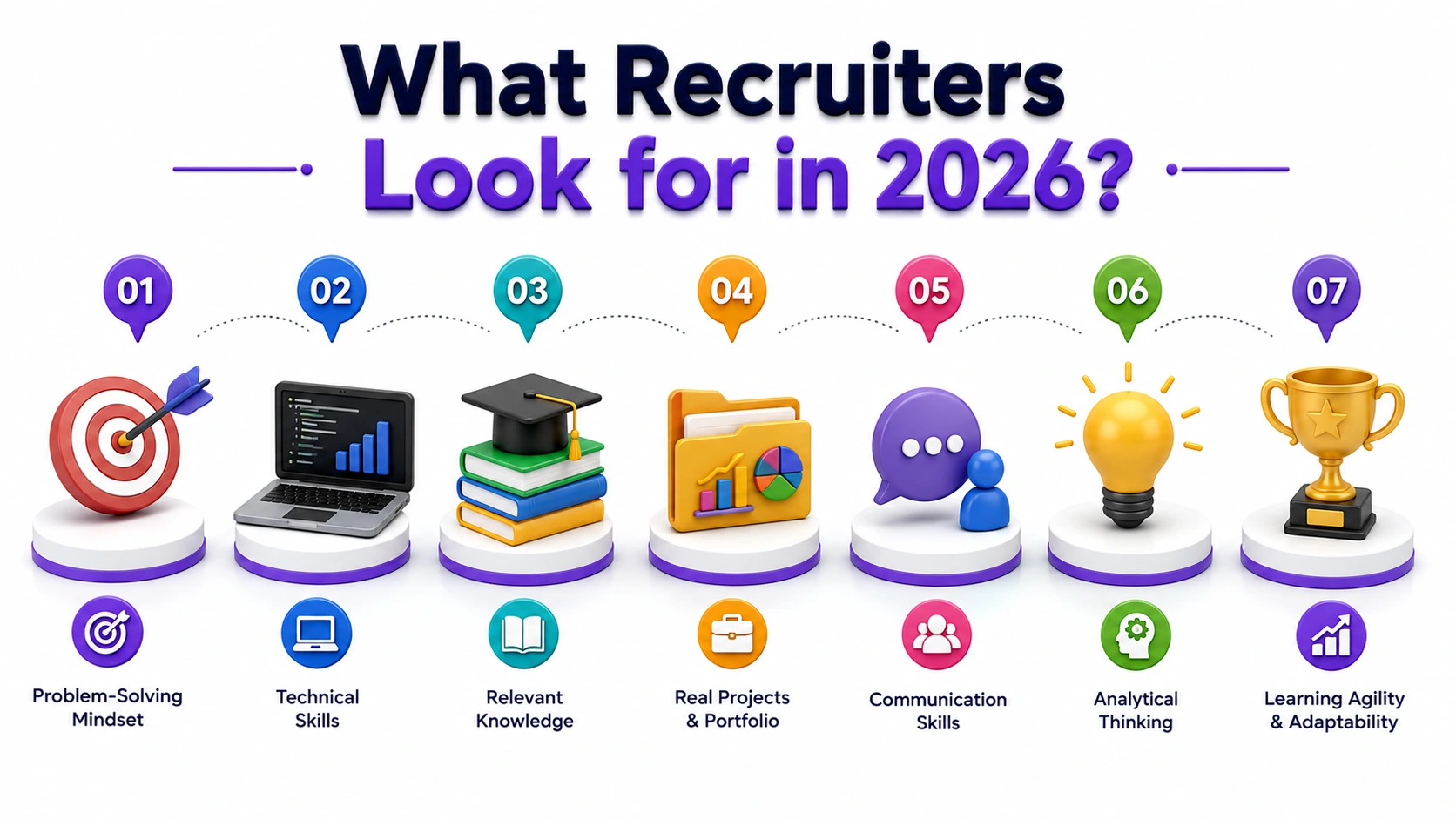
What Recruiters Look for in 2026?
Hiring trends have changed significantly over the last few years.
Recruiters no longer evaluate candidates solely based on degrees or certifications. Instead, they assess whether you can contribute from day one.
Here are some of the qualities employers value most:
Analytical Thinking: Can you identify patterns and solve business problems?
Communication Skills: Can you explain technical findings in simple business language?
Business Understanding: Do you understand why your analysis matters?
Curiosity: Are you willing to learn new tools and technologies?
Practical Experience: Have you worked on meaningful projects?
Attention to Detail: Can you identify errors, inconsistencies, and opportunities in data?
Salary Expectations for Data Analysts in India
One of the biggest reasons professionals are switching to data analytics is its excellent salary potential. While your salary depends on factors such as skills, experience, location, company, and certifications, here is a general estimate:
Freshers (0–1 year): ₹4–7 LPA
Early Career (2–4 years): ₹7–12 LPA
Mid-Level Professionals (5–8 years): ₹12–18 LPA
Senior Data Analysts: ₹18–25+ LPA
Professionals who continuously upgrade their skills in areas such as SQL, Python, Power BI, Tableau, cloud analytics, machine learning, and business intelligence often receive higher salary packages and faster promotions.
Ultimately, employers value practical skills, hands-on project experience, and the ability to solve real business problems far more than having a computer science degree. This is why enrolling in a
Data Analyst Course and earning a Data Analytics Certification Training in India can significantly improve your career prospects and earning potential.
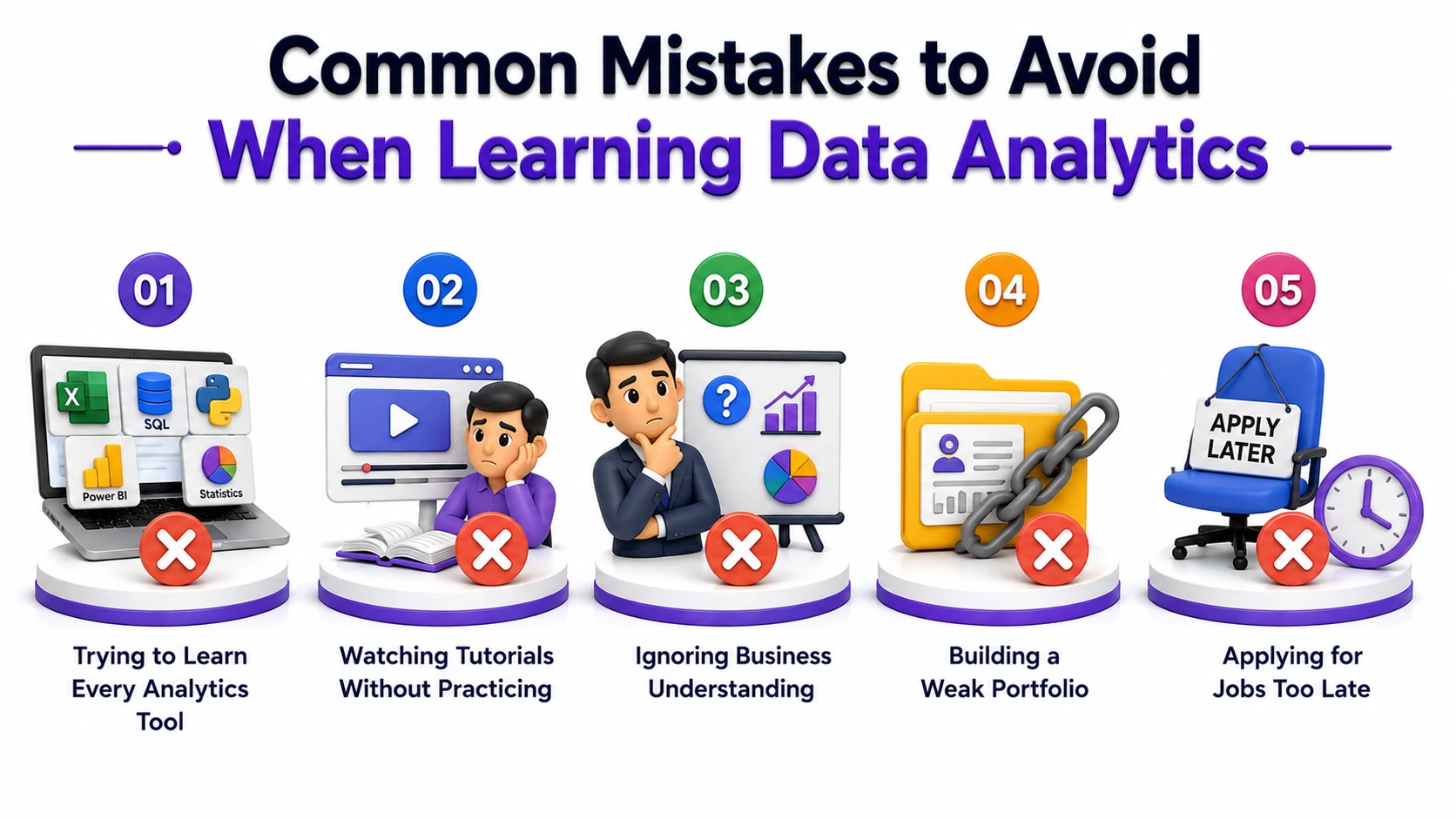
Common Mistakes to Avoid When Learning Data Analytics
Starting a career in data analytics is exciting, but many beginners unknowingly make mistakes that slow down their progress. Being aware of these pitfalls can help you stay on the right path and become job-ready faster.
1. Learning Too Many Tools at Once
One of the biggest mistakes is trying to learn every analytics tool available.
Instead, focus on mastering the essentials first:
- Microsoft Excel
- SQL
- Python
- Power BI
- Basic Statistics
Once you're confident with these tools, you can gradually explore advanced topics like cloud analytics, machine learning, or big data technologies.
2. Watching Tutorials Without Practicing
Many learners spend hours watching videos but rarely work on real datasets.
Data analytics is a practical field. The more projects you complete, the more confident you'll become.
After learning a concept, immediately apply it to a business dataset. This habit helps reinforce your understanding and prepares you for real-world challenges.
3. Ignoring Business Understanding
Knowing how to write SQL queries or create dashboards is important, but it's only part of the job.
A successful data analyst asks questions like:
- What business problem are we solving?
- Which KPI matters most?
- What action should stakeholders take based on this analysis?
4. Building a Weak Portfolio
Many candidates mention technical skills on their resume but have no projects to demonstrate them.
Your portfolio should showcase your ability to solve practical business problems. Include projects from different industries, explain your approach, and highlight the impact of your analysis.
5. Applying for Jobs Too Late
Some learners wait until they feel "100% ready" before applying for jobs. In reality, learning continues even after you start working. Once you've developed a solid foundation, completed a few projects, and prepared for interviews, start applying for entry-level positions. Each interview will help you improve your confidence and identify areas for further learning.
The Future Scope of Data Analytics in 2026 and Beyond
The demand for skilled data analysts is expected to remain strong as organizations continue to invest in digital transformation, artificial intelligence, and
AI-driven data analytics, and business intelligence.Industries actively hiring data analysts include:
- Information Technology
- Banking and Financial Services
- Healthcare
- E-commerce
- Retail
- Manufacturing
- Telecommunications
- Logistics
As businesses generate larger volumes of data, professionals who can interpret that information and provide actionable insights will continue to play a vital role.
After gaining experience as a Data Analyst, you can explore advanced career paths such as:
- Senior Data Analyst
- Business Analyst
- Business Intelligence (BI) Analyst
- Analytics Consultant
- Product Analyst
- Data Scientist
Continuous learning and practical experience can open doors to leadership positions and specialized analytics roles.
Final Thoughts
Choosing the right Data Analytics Course, completing practical projects, and earning a recognized Data Analytics Certification Training in India can help you build a strong foundation for a successful analytics career. Whether you prefer classroom learning or an Online Data Analytics Course, consistency and practical application are the keys to long-term success.
If you're looking for a program that combines expert mentorship, real-world projects, and career guidance, consider enrolling in a
Data Analytics Training in India that aligns with current industry requirements. The right training can equip you with the confidence and skills needed to launch your career and grow in one of the fastest-growing fields in technology.










 +91-8882178896
 +1 (343) 477-0926