
The State of Data Analytics Jobs in India: An Industry Report
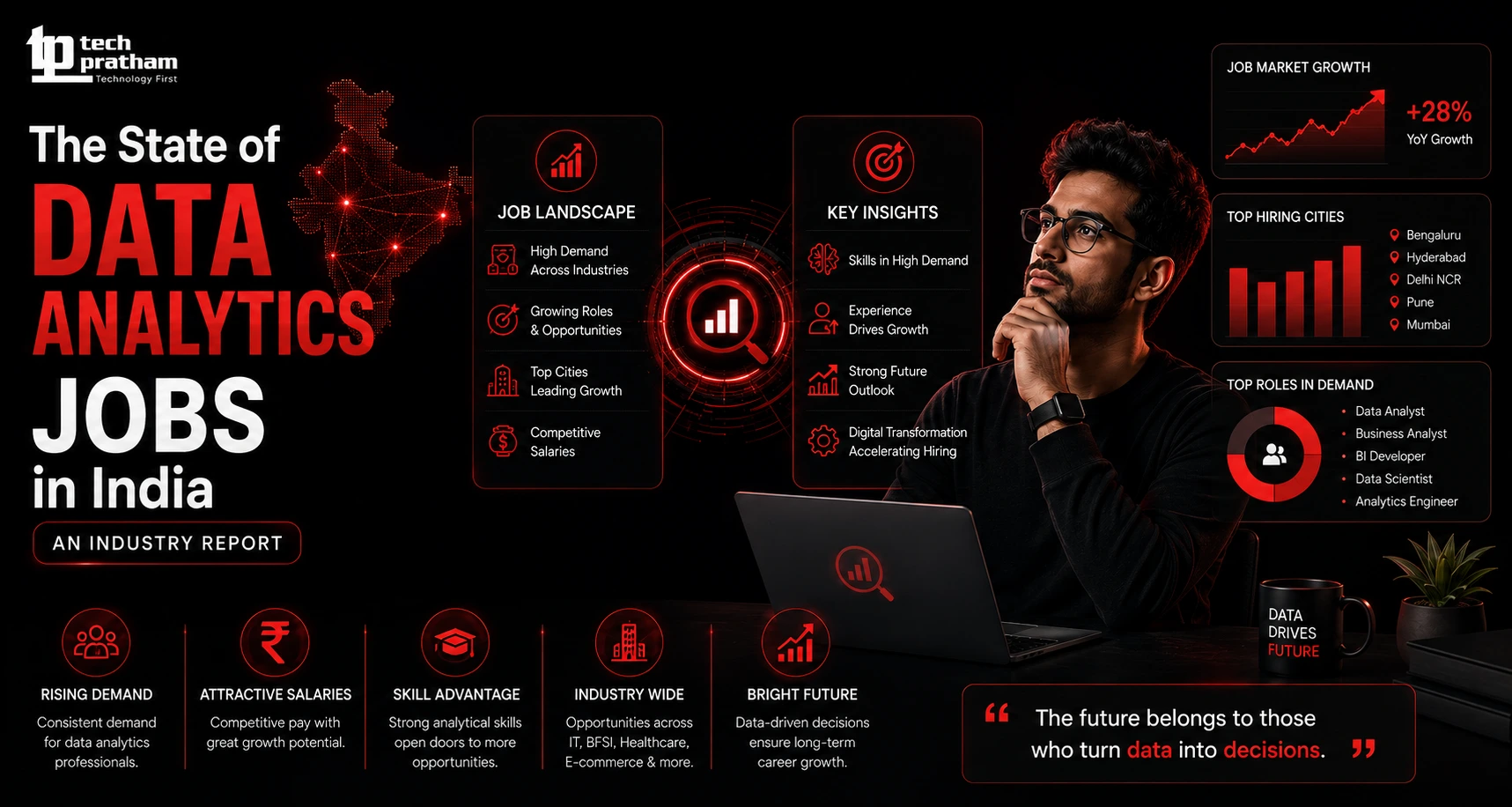
The role of a data analyst has evolved far beyond creating spreadsheets or preparing monthly reports. Modern organizations expect professionals who can collect, clean, analyze, and interpret complex datasets while translating insights into actionable business strategies. Whether you are a recent graduate, a working professional looking to switch careers, or someone planning to upskill, understanding the current state of the data analytics industry is essential before investing your time and effort in a Data Analytics Course.
Why Data Analytics Has Become a Business Priority
The rapid growth of digital technologies has fundamentally changed how organizations operate. Every customer interaction, online purchase, financial transaction, website visit, marketing campaign, and operational process generates data. However, the true value of this information lies not in its volume but in the insights it can provide.
Modern businesses no longer rely solely on intuition when making decisions. Instead, they use analytics to answer critical questions such as:
- Which products generate the highest profit margins?
- Why are customers leaving the platform?
- Which marketing campaigns produce the best return on investment?
- How can operational costs be reduced without affecting productivity?
- Which regions offer the greatest opportunities for expansion?
- What buying patterns can help improve inventory management?
Unlike many emerging technology roles that are concentrated within the IT sector, data analytics has become a cross-functional discipline. Human Resources departments analyze employee retention trends, finance teams forecast business performance, healthcare institutions predict patient outcomes, retailers optimize inventory, and manufacturers monitor production efficiency using analytics.
India's Digital Economy Is Fueling Analytics Growth
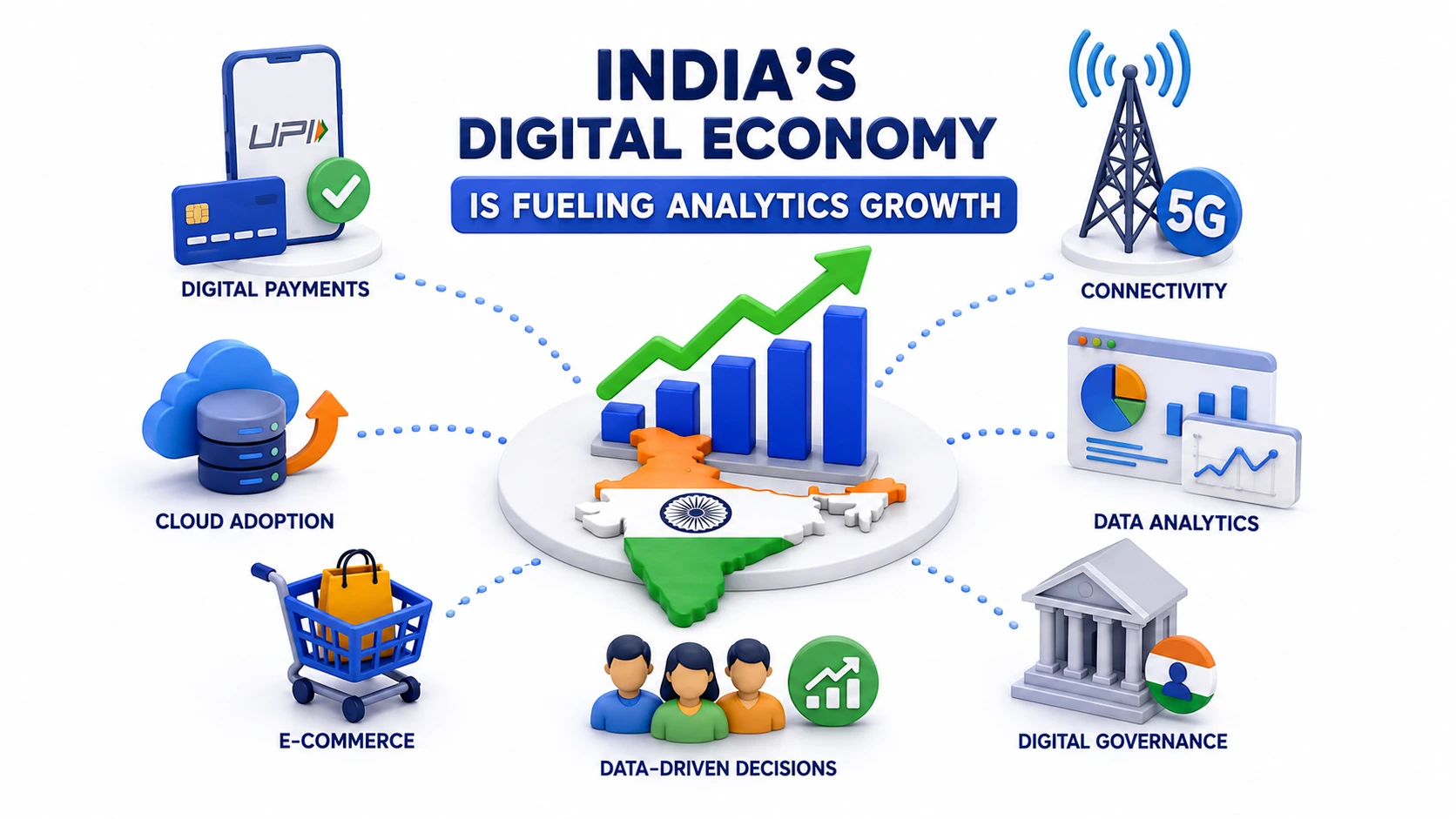
India's digital transformation is creating unprecedented opportunities for data analytics professionals. Here are the key factors driving this growth:
- Rapid Digital Transformation
- Higher Internet and Smartphone Penetration
- Growth of Digital Payment Systems
- Expansion of Cloud Computing
- Increasing Adoption of Artificial Intelligence (AI)
- Beyond Technology Companies
Industries Driving Data Analytics Hiring in India
One of the strongest indicators of the health of India's analytics job market is the diversity of industries actively recruiting data professionals. Unlike earlier years, where hiring was concentrated within IT services, analytics roles now span nearly every major sector of the economy.
1) Banking, Financial Services, and Insurance (BFSI)
The BFSI sector remains one of the largest employers of data analysts in India. Financial institutions process enormous volumes of transactional data every second, making analytics essential for maintaining operational efficiency and managing financial risk.
- Credit risk assessment
- Fraud detection
- Customer segmentation
- Loan approval optimization
- Digital banking insights
2) E-commerce and Retail
India's rapidly expanding e-commerce industry generates millions of customer interactions daily. Every search, product view, purchase, review, and abandoned shopping cart provides valuable behavioral data.
- Consumer buying behavior
- Seasonal demand fluctuations
- Product recommendations
- Inventory optimization
- Dynamic pricing strategies
3) Healthcare and Life Sciences
Healthcare is undergoing a significant digital transformation. Hospitals, diagnostic centers, pharmaceutical companies, and health technology startups rely heavily on analytics to improve patient outcomes and operational efficiency.
- Patient outcome analysis
- Hospital resource planning
- Clinical performance reporting
- Disease trend monitoring
- Medical inventory optimization
4) Manufacturing and Supply Chain
Modern manufacturing plants generate continuous streams of operational data from machinery, sensors, production systems, and quality control processes.
- Production efficiency
- Predictive maintenance
- Equipment utilization
- Inventory forecasting
- Quality assurance
5) IT Services and Consulting
Global consulting firms and technology companies assist clients in implementing business intelligence solutions, creating dashboards, optimizing business processes, and developing advanced analytical models.
- Business process optimization
- Data analysis and reporting
- Predictive analytics and data modeling
- AI-powered analytics solutions
- Cross-industry project exposure
What Recruiters Are Looking in Candidate
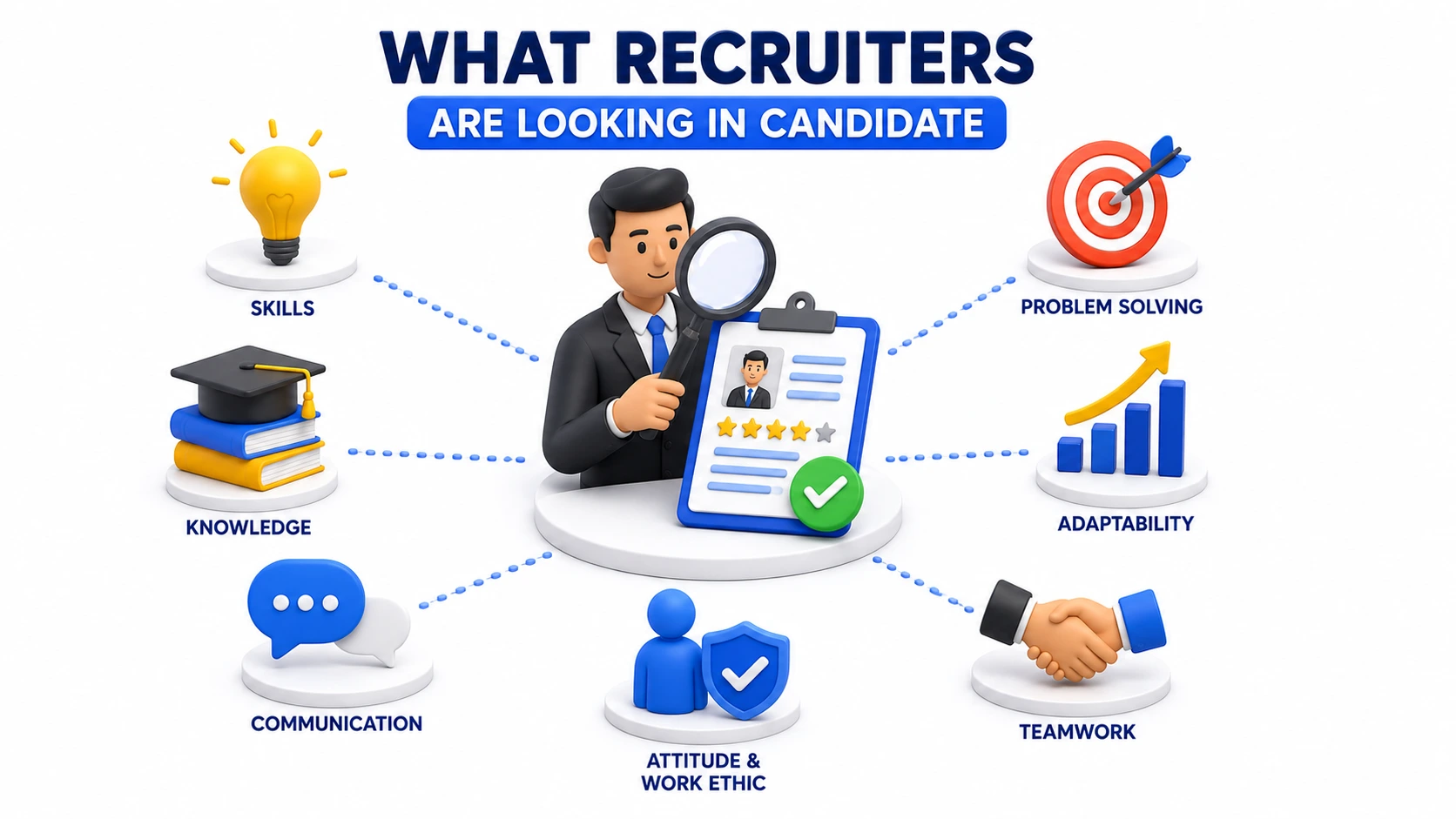
The expectations of employers have evolved considerably over the past few years. Recruiters are no longer impressed by certificates alone. Instead, they evaluate whether candidates can apply analytical concepts to solve genuine business challenges.
Technical Proficiency
Employers expect candidates to demonstrate practical expertise in widely adopted analytical tools rather than theoretical familiarity. Core technical skills include:
- SQL for querying and managing databases
- Microsoft Excel for business analysis
- Python for automation and data processing
- Power BI for dashboard development
- Tableau for interactive visualization
- Statistics for analytical reasoning
- Data Cleaning techniques
Business Understanding
One noticeable shift in hiring practices is the growing emphasis on business knowledge. Companies increasingly ask candidates questions such as: "If sales decline despite increasing website traffic, how would you investigate the problem?"
- Business understanding
- Problem-solving skills
- Scenario-based thinking
- Data-driven decision-making
- Customer behavior analysis
Communication Skills
An outstanding analysis has little value if stakeholders cannot understand it. Consequently, employers actively seek candidates who can:
- Present findings clearly
- Explain technical concepts to non-technical audiences
- Build compelling dashboards
- Recommend actionable solutions
- Communicate confidently during meetings
Salary Trends: What Can Data Analysts Expect in India?
One of the biggest reasons behind the growing popularity of analytics careers is the attractive salary potential. Unlike many entry-level professions where salary growth is relatively slow, data analytics offers steady progression as professionals gain technical expertise, business knowledge, and project experience.
However, salaries vary based on several factors, including location, industry, company size, technical skills, certifications, and practical experience.
Average Salary by Experience Level
While fresh graduates may begin with modest compensation, professionals who continuously upgrade their skills often experience rapid salary growth within a few years.
City-Wise Hiring and Salary Trends
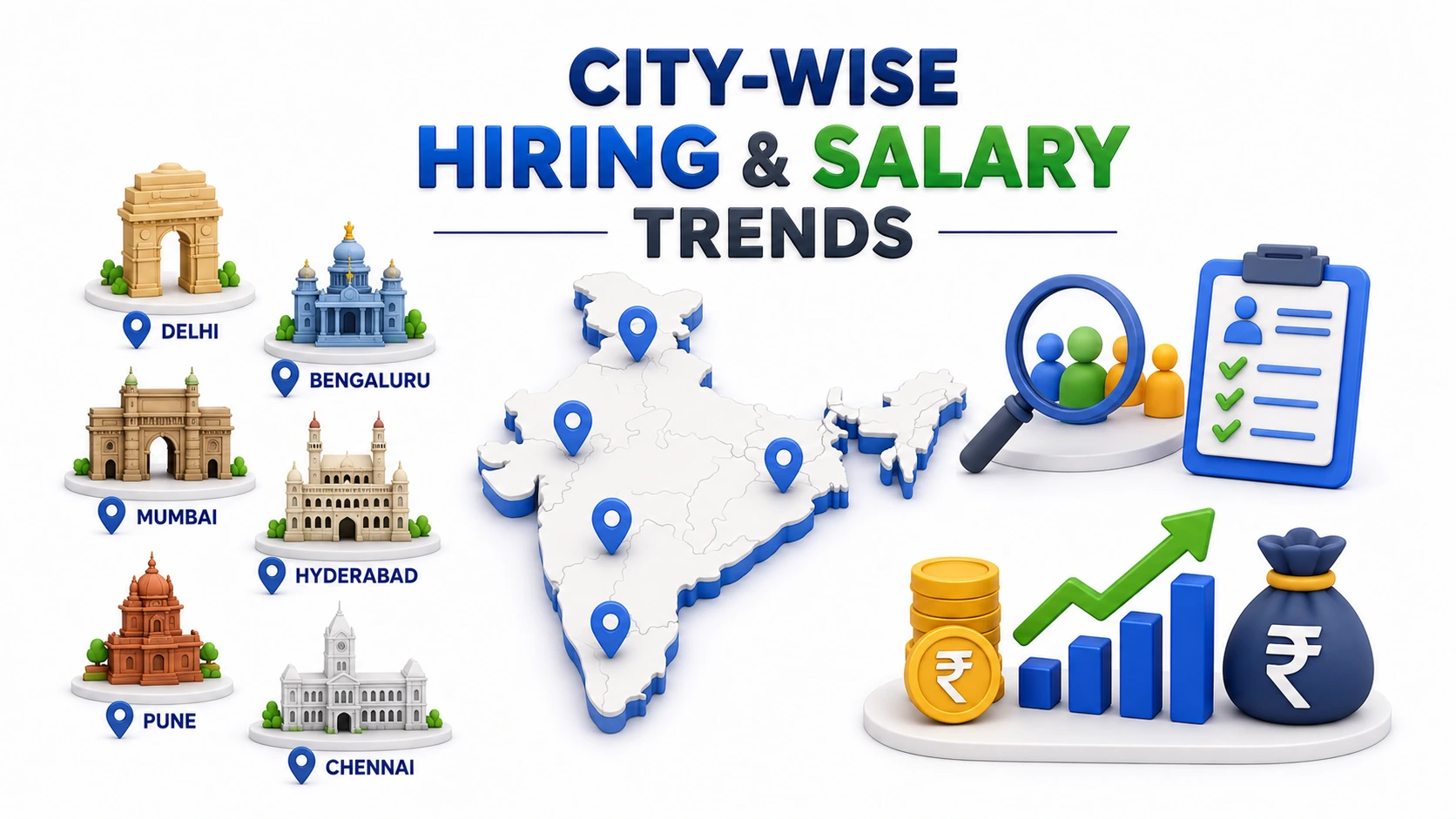
India's major technology hubs continue to dominate analytics recruitment, although remote work has created opportunities beyond metropolitan cities.
Bengaluru
Often referred to as India's technology capital, Bengaluru hosts numerous multinational corporations, startups, Global Capability Centers (GCCs), and AI research organizations. Professionals here frequently work on advanced analytics, cloud platforms, and AI-driven business intelligence projects.
Hyderabad
Hyderabad has become a preferred destination for technology companies, pharmaceutical firms, and consulting organizations. The city's expanding analytics ecosystem provides strong career opportunities for both freshers and experienced professionals.
Delhi NCR
The Delhi NCR region—including Noida and Gurugram—offers excellent opportunities in consulting, financial services, e-commerce, healthcare, and IT services. Many multinational organizations have established analytics centers here to support global operations.
Pune
Known for its strong presence in manufacturing, automotive, banking, and information technology, Pune continues to recruit professionals skilled in business intelligence and operational analytics.
Mumbai
As India's financial capital, Mumbai provides excellent opportunities within banking, insurance, investment management, fintech, and financial consulting.
The Skills That Separate Successful Candidates
Technical knowledge alone is no longer sufficient in today's competitive hiring market. Organizations expect professionals to combine analytical thinking with business understanding and effective communication. The following skills consistently appear in job descriptions across industries.
SQL: The Foundation of Data Analytics
SQL remains one of the most requested skills by employers because organizational data is typically stored in relational databases. A professional data analyst should be comfortable:
- Retrieving data from databases
- Writing complex queries
- Joining multiple datasets
- Filtering large volumes of information
- Performing aggregations
Python: Beyond Basic Programming
Python has become the preferred programming language for analytics due to its simplicity and extensive ecosystem of analytical libraries. A professional data analyst should be comfortable:
- Data cleaning
- Automation
- Statistical analysis
- Data visualization
- Predictive modeling
Power BI and Tableau
Python has become the preferred programming language for analytics due to its simplicity and extensive ecosystem of analytical libraries. A professional data analyst should be comfortable:
- Build executive dashboards
- Track business performance
- Monitor operational metrics
- Compare regional performance
- Identify sales trends
Excel: Still Relevant in 2026
Despite the emergence of sophisticated analytical tools, Microsoft Excel remains indispensable. Organizations continue using Excel for:
- Financial analysis
- Business reporting
- Pivot tables
- Forecasting
- Data validation
Statistics and Business Thinking
One common misconception is that data analytics revolves entirely around software tools. In reality, statistics forms the foundation of meaningful analysis. Professionals should understand:
- Probability
- Correlation
- Regression
- Sampling
- Hypothesis testing
Final Thoughts
Related Articles

How to Switch Your Career to Data Science: A Pathway to a New Career
Learn how to switch your career to Data Science with the right skills, projects, AI knowledge, portfolio and career guidance.

Is Data Science a Good Career? A Complete Guide for Beginners
Is Data Science a good career? Explore career opportunities, skills, roadmap, AI impact, and practical guidance for beginners.

Best Data Science Courses in India: A Complete Guide
Explore the Best Data Science Courses in India and build in-demand skills with industry-focused training and certification.