
Complete Software Testing Interview Process for Freshers
_11zon (1).webp)
If you are preparing for your first software testing job, one of the biggest questions on your mind is likely, “What is the complete interview process for a software testing role?” Understanding the hiring process can help you prepare more effectively and improve your chances of getting selected. Different companies follow different recruitment strategies. A startup may complete the hiring process in just two or three rounds, while a large IT services company or product-based organization may conduct multiple assessments before making a hiring decision. Some companies focus heavily on practical testing skills, while others evaluate communication abilities, problem-solving skills, and cultural fit alongside technical knowledge. Despite these differences, most software testing interviews follow a similar structure. Candidates typically go through resume screening, aptitude assessments, technical interviews, practical testing evaluations, managerial discussions, and HR rounds.
Understanding the Hiring Process
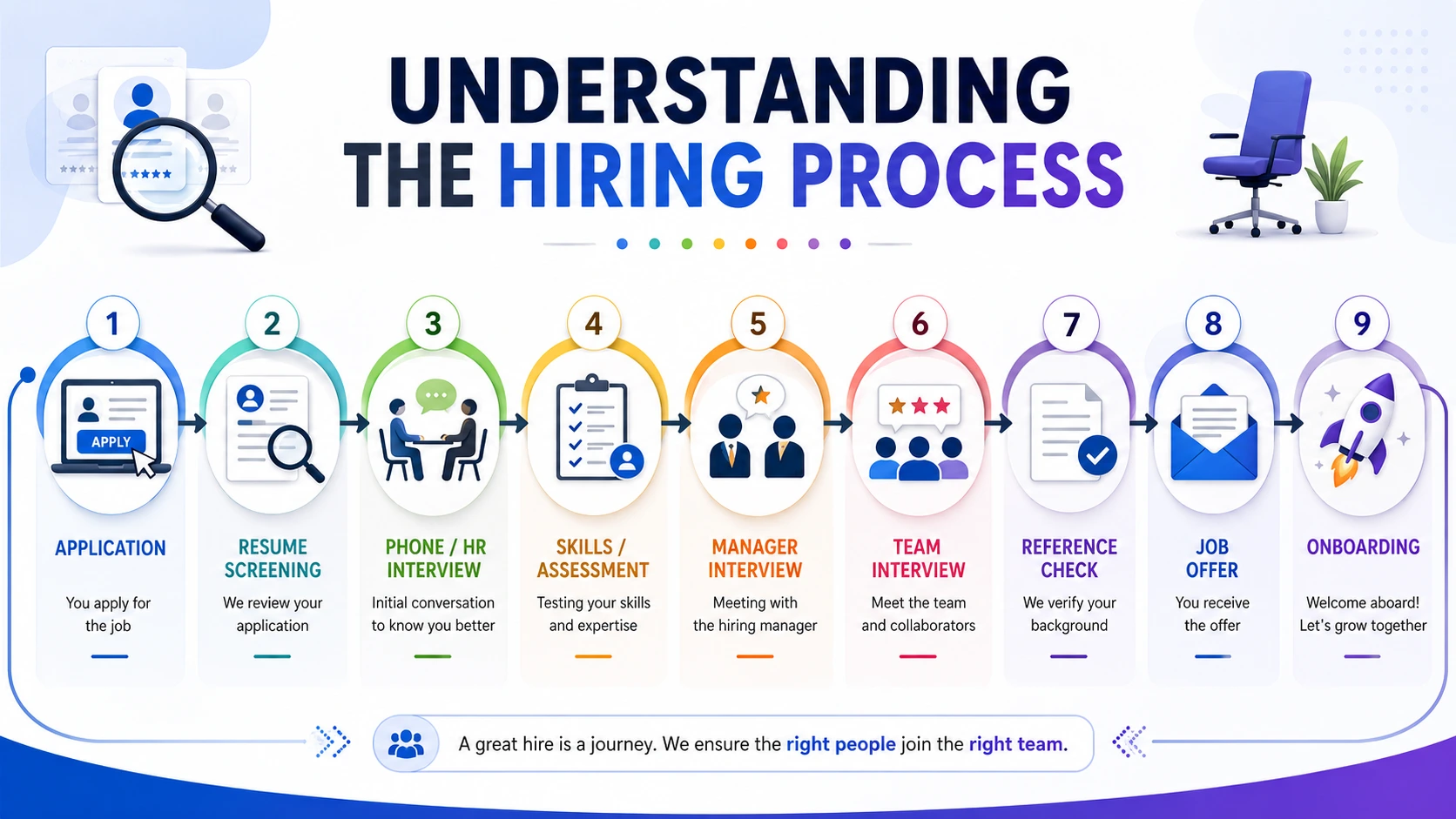
- Technical knowledge
- Analytical thinking
- Attention to detail
- Communication skills
- Problem-solving ability
- Testing mindset
- Learning attitude
- Team collaboration
The interview process is designed to assess these qualities systematically.
Individual Rounds of Interview Process
Understand the individual rounds of the software testing interview process, including screening, aptitude assessment, technical evaluation, practical testing tasks, managerial discussions, and HR interviews to help freshers prepare confidently for every stage of recruitment.
Step 1: Resume Screening and Shortlisting
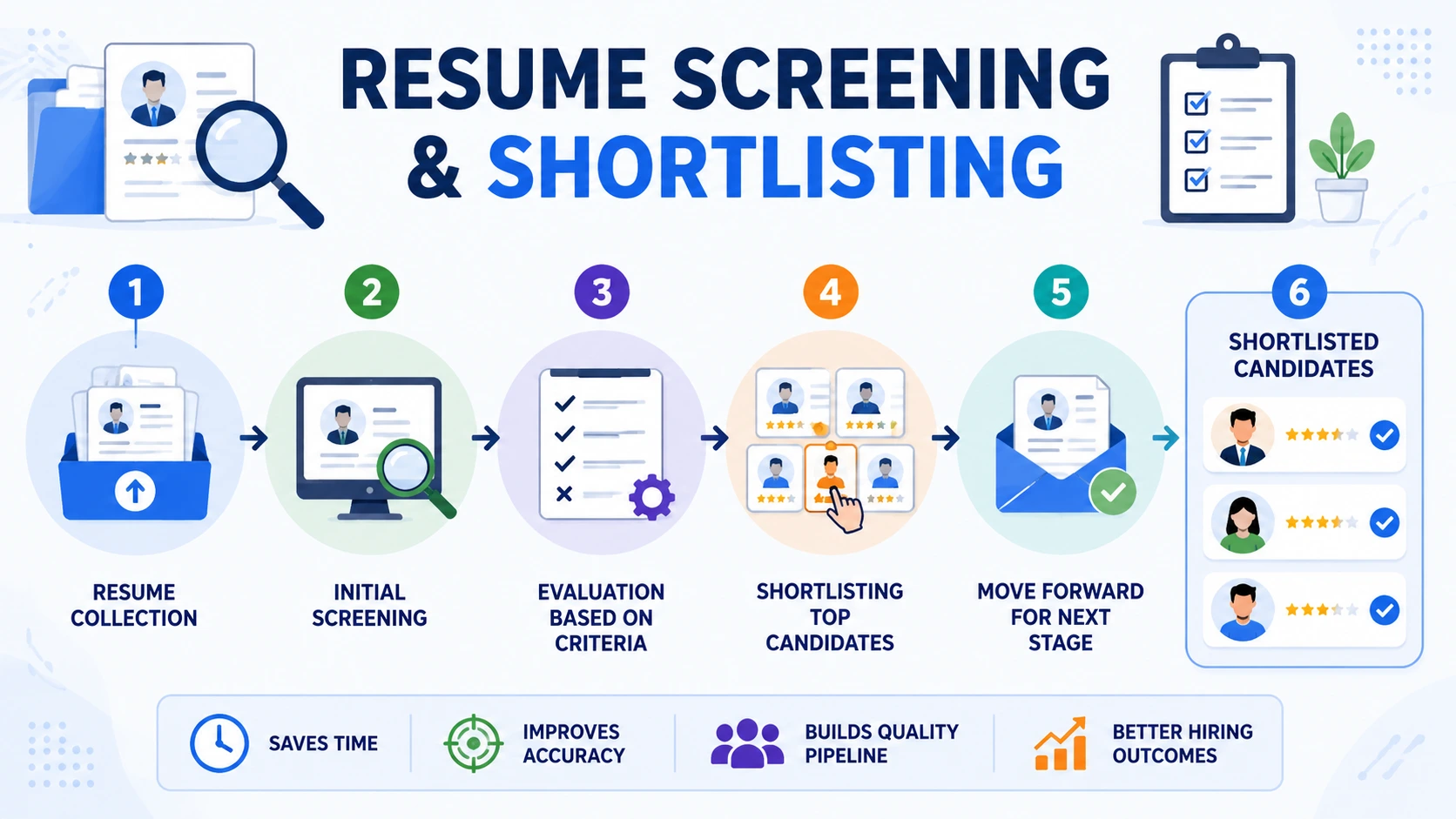
The first stage of the hiring process begins long before the interview itself. Recruiters review resumes to determine whether candidates meet the basic qualifications for the role. This stage is often overlooked by freshers, but it can significantly influence interview opportunities.
What Recruiters Look For
Your resume should clearly highlight:
- Educational qualifications
- Software testing skills
- Manual testing knowledge
- Automation testing exposure
- Testing tools learned
- Certifications
- Academic projects
- Internship experience
- Relevant coursework
Even if you have no professional experience, showcasing projects and practical training can make your profile stand out.
Common Resume Mistakes
- Poor formatting
- Spelling mistakes
- Generic objectives
- Lack of project details
- Irrelevant information
- Missing technical skills
A concise, professional, and well-structured resume improves your chances of getting shortlisted.
Preparation Tip
Include testing-related projects where you have:
- Written test cases
- Reported defects
- Executed test scenarios
- Used bug-tracking tools
- Worked with automation frameworks
Practical experience always strengthens your application.
Step 2: Online Assessment or Aptitude Test
After shortlisting, many companies conduct an online assessment. This round helps recruiters filter candidates before technical interviews and Areas Commonly tested.
1. Aptitude
- Written test cases
- Reported defects
- Executed test scenarios
- Used bug-tracking tools
- Worked with automation frameworks
2. Logical Reasoning
- Pattern recognition
- Puzzles
- Series completion
- Analytical reasoning
3. Verbal Ability
- Grammar
- Reading comprehension
- Vocabulary
- Sentence correction
Preparation Strategy
Step 3: Initial Technical Screening
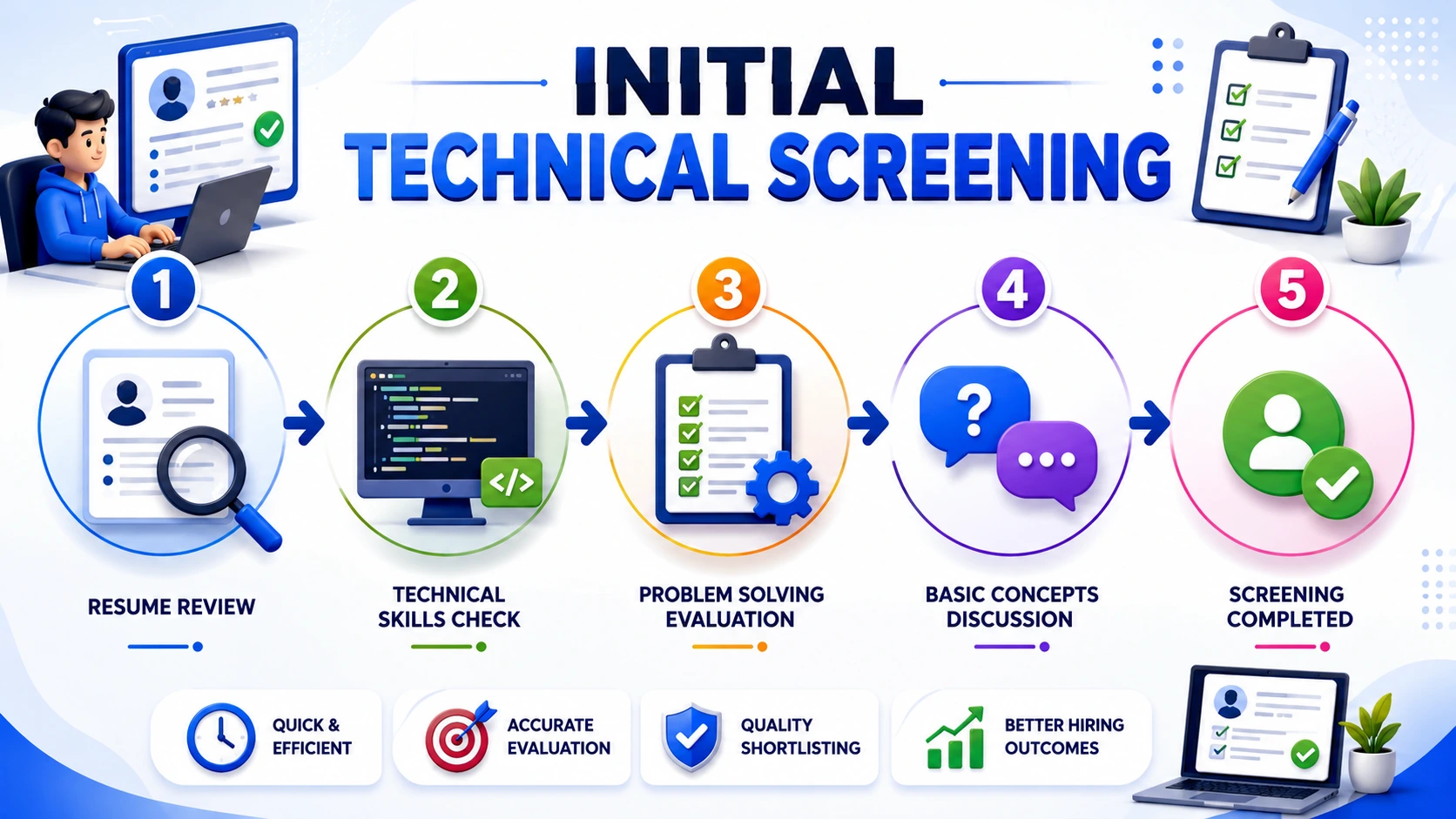
The technical interview is often the most important stage of the hiring process. Interviewers use this round to evaluate your understanding of software testing concepts
Software Development Life Cycle (SDLC)
(Requirement gathering, Design, Development, Testing, Deployment, Maintenance)
Software Testing Life Cycle (STLC)
(Requirement analysis, Test planning, Test case development, Environment setup, Test execution, Defect reporting, Test closure)
Testing Fundamentals
- What is software testing?
- Why is testing important?
- What are testing objectives?
Sample Question
Step 4: Manual Testing Interview Round
For fresher-level software testing positions, manual testing serves as the foundation of most interview processes because it helps recruiters evaluate a candidate’s understanding of software quality, testing concepts, and defect identification skills. Key Areas Evaluated:
Test Case Writing
Interviewers may ask candidates to write test cases for:
- Login page
- ATM machine
- E-commerce website
- Mobile applications
Test Scenarios
Candidates may be asked to identify testing scenarios for real-world applications to evaluate their analytical thinking, observation skills, and ability to understand user requirements. In this type of question, interviewers present a common application such as an e-commerce website, banking portal, food delivery app, login page, or online booking system and ask candidates to think from an end-user perspective.
Defect Reporting
Defect reporting is one of the most important skills evaluated during a software testing interview because identifying a bug is only useful if it can be clearly communicated to the development team. Interviewers often assess whether candidates understand how to document defects in a structured and professional manner.
- Bug identification
- Reproduction steps
- Severity
- Priority
Frequently Asked Questions
- What is a test case?
- What is a test scenario?
- Difference between severity and priority?
- What is defect life cycle?
- What is regression testing?
- What is smoke testing?
- What is sanity testing?
Step 5: Practical Testing Assessment
Many organizations include a hands-on evaluation round. This helps recruiters understand how candidates apply theoretical concepts.
- Explore an application
- Identify bugs
- Create test cases
- Document defects
- Suggest improvements
What Interviewers Observe
- Observation skills
- Testing approach
- Critical thinking
- Attention to detail
Practical rounds often reveal more about a candidate's potential than theoretical questions.
Step 6: Database Testing Questions
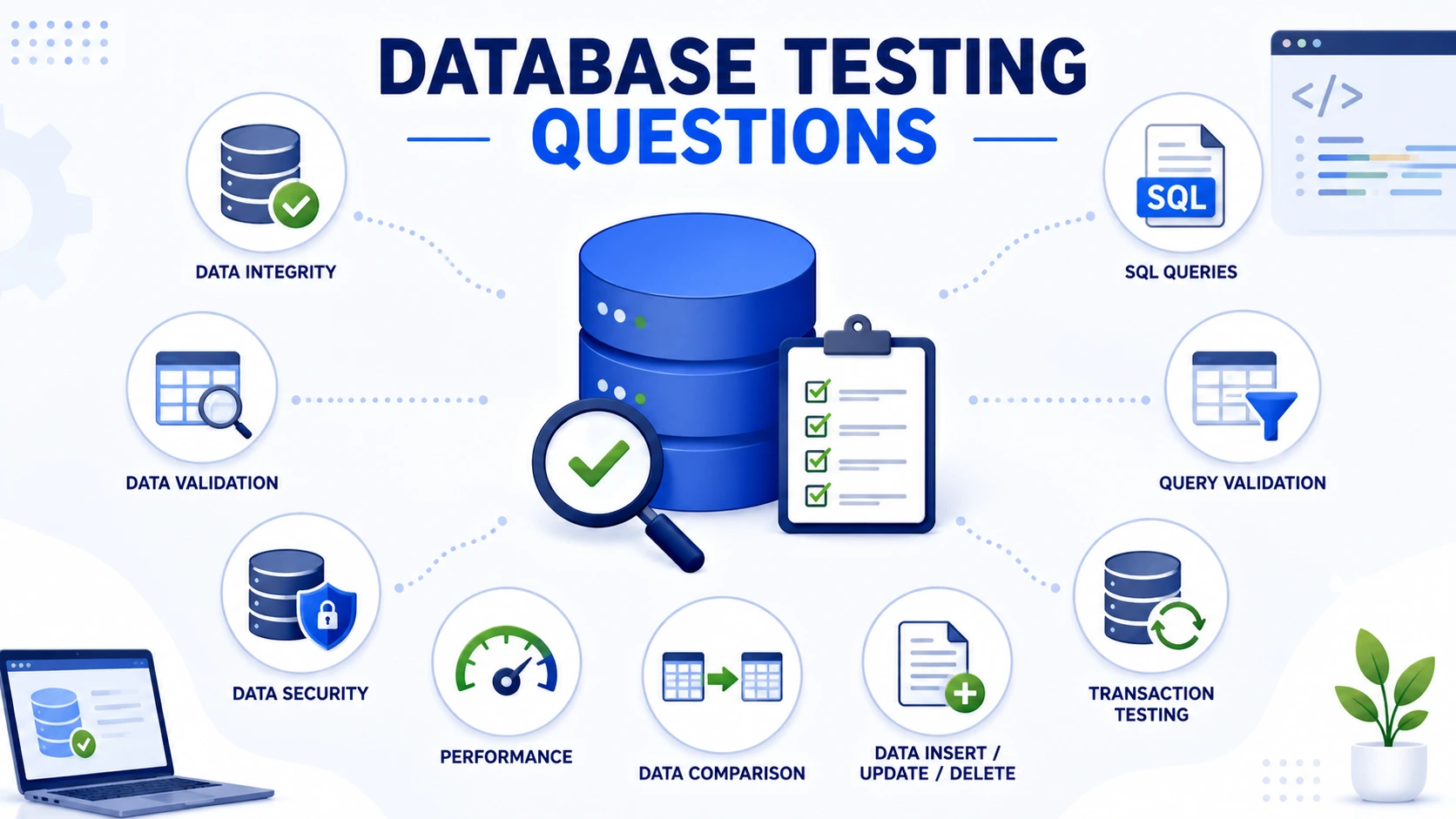
Many software applications rely on databases to store, retrieve, update, and manage data. Whether it is an e-commerce website, banking application, healthcare system, or social media platform, databases play a crucial role in ensuring information is stored accurately and securely.
Basic SQL Concepts Every Fresher Should Know
- SELECT Statement
- INSERT Statement
- UPDATE Statement
- DELETE Statement
- WHERE Clause
- ORDER BY Clause
- GROUP BY Clause
Step 7: Automation Testing Discussion
Not all fresher positions require automation expertise, but many companies assess automation awareness.
Topics Commonly Discussed
(Selenium basics, Automation framework concepts, Automation benefits, Test automation lifecycle). Even if you are applying for manual testing roles, understanding automation fundamentals can provide a competitive advantage.
Common Questions
- What is Selenium?
- Why use automation testing?
- What are the limitations of automation?
- Difference between manual and automation testing?
Step 8: Agile and Scrum Concepts
Modern software development relies heavily on Agile methodologies to deliver high-quality software quickly and efficiently. Unlike traditional development models, Agile focuses on continuous improvement, collaboration, flexibility, and frequent releases. Since most organizations today follow Agile practices, interviewers frequently ask Agile and Scrum-related questions to assess a candidate's understanding of modern software development processes.
Topics Covered
- Agile principles
- Scrum framework
- Sprint planning
- Daily standups
- Product backlog
- Sprint reviews
Knowledge of Agile demonstrates industry readiness.
Step 9: Scenario-Based Questions
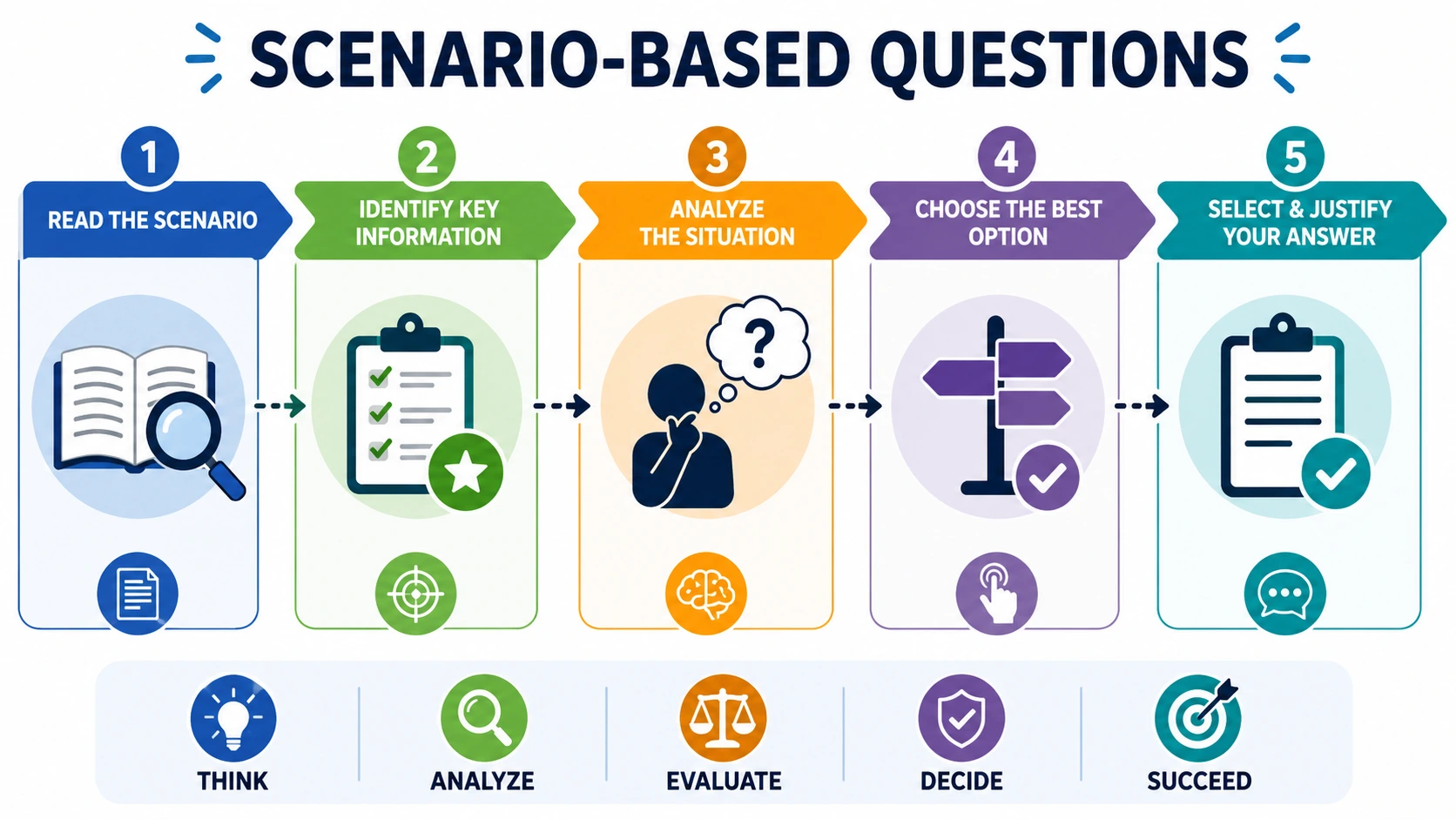
Technical knowledge is important, but software testing is not just about executing test cases and finding bugs. Testers are often required to make decisions, communicate with multiple stakeholders, prioritize issues, and solve problems under pressure.
Scenario : Critical Bug Found Before Release
Question: You discover a critical bug one day before the product release. What would you do? What Interviewers Want to Evaluate In this scenario, interviewers want to understand:
- How you assess the severity of the defect
- Whether you understand business risks
- How effectively you communicate with stakeholders
- Your ability to make informed decisions under pressure
Step 10: Communication Skills Assessment
Technical skills alone are not enough. Software testers frequently communicate with:
- Developers
- Business analysts
- Product managers
- Clients
Common Questions
- Tell me about yourself.
- Why did you choose software testing?
- What are your strengths?
- What are your weaknesses?
Step 11: HR Interview Round
The HR round is typically the final stage. Many freshers assume this round is easy, but it remains important.
Personal Background
- Tell me about yourself.
- Describe your educational background.
Salary Discussion
- What are your salary expectations?
Availability
- Notice period
- Joining date
- Relocation preferences
Common Software Testing Interview Questions for Freshers
Here are some questions frequently asked across companies:
- Q1. What is software testing?
- Q2. Why is testing important?
- Q3. What is SDLC?
- Q4. What is STLC?
- Q5. What is a test case?
- Q6. What is a test scenario?
- Q7. What is a bug?
- Q8. Explain defect life cycle.
- Q9. What is regression testing?
- Q10. What is smoke testing?
- Q11. What is sanity testing?
- Q12. Difference between verification and validation?
- Q13. Difference between severity and priority?
- Q14. What is black-box testing?
- Q15. What is white-box testing?
- Q16. What is exploratory testing?
- Q17. What is user acceptance testing?
- Q18. What is automation testing?
- Q19. What is Selenium?
- Q20. What is Agile methodology?
Mistakes Freshers Should Avoid
- Memorizing Answers
- Ignoring Practical Knowledge
- Weak Resume Preparation
- Poor Communication
- Lack of Confidence
Final Thoughts
The software testing interview process may seem intimidating at first, especially for freshers entering the IT industry. However, once you understand the various stages involved, preparation becomes much easier and more focused. Most companies follow a similar hiring pattern that includes resume screening, aptitude assessments, technical interviews, practical testing evaluations, managerial discussions, and HR interviews. Each round is designed to assess specific skills and qualities that are essential for success as a software tester. The key to clearing software testing interviews is a combination of strong testing fundamentals, practical project experience, problem-solving ability, and effective communication skills. Candidates who invest time in understanding testing concepts, practicing real-world scenarios, learning industry tools, and preparing for common interview questions are far more likely to succeed.
Related Articles
Switching from Manual Testing to Automation Testing: A Career Transition Guide
Learn how to switch from manual testing to automation testing with essential tools, skills, career tips, and a practical learning path.
How to Start a Career in Software Testing in India as a Fresher
Start your QA career with this fresher guide covering software testing skills, courses, certifications, tools, and career opportunities in India.

How to Choose the Best Automation Testing Training in India: A Complete Beginner’s Guide
Learn how to choose the best Automation Testing Training in India, including tools, curriculum, projects, certification, and career scope.





 +91-8882178896
 +1 (343) 477-0926