Table of Contents
Workday Training 2026: The Complete Roadmap From Beginner to Consultant
In 2026, Workday has become one of the most in-demand enterprise cloud platforms, transforming how organizations manage human resources and financial operations. With increasing adoption across industries, professionals are actively seeking structured training to build expertise and transition into high-paying Workday consultant roles.
This complete roadmap is designed to guide beginners step-by-step, from understanding core concepts to gaining hands-on experience and certification. With the right Workday Training , both freshers and professionals can follow a clear learning path, build practical skills, and grow into successful consultants.
Introduction to the Workday Ecosystem in 2026
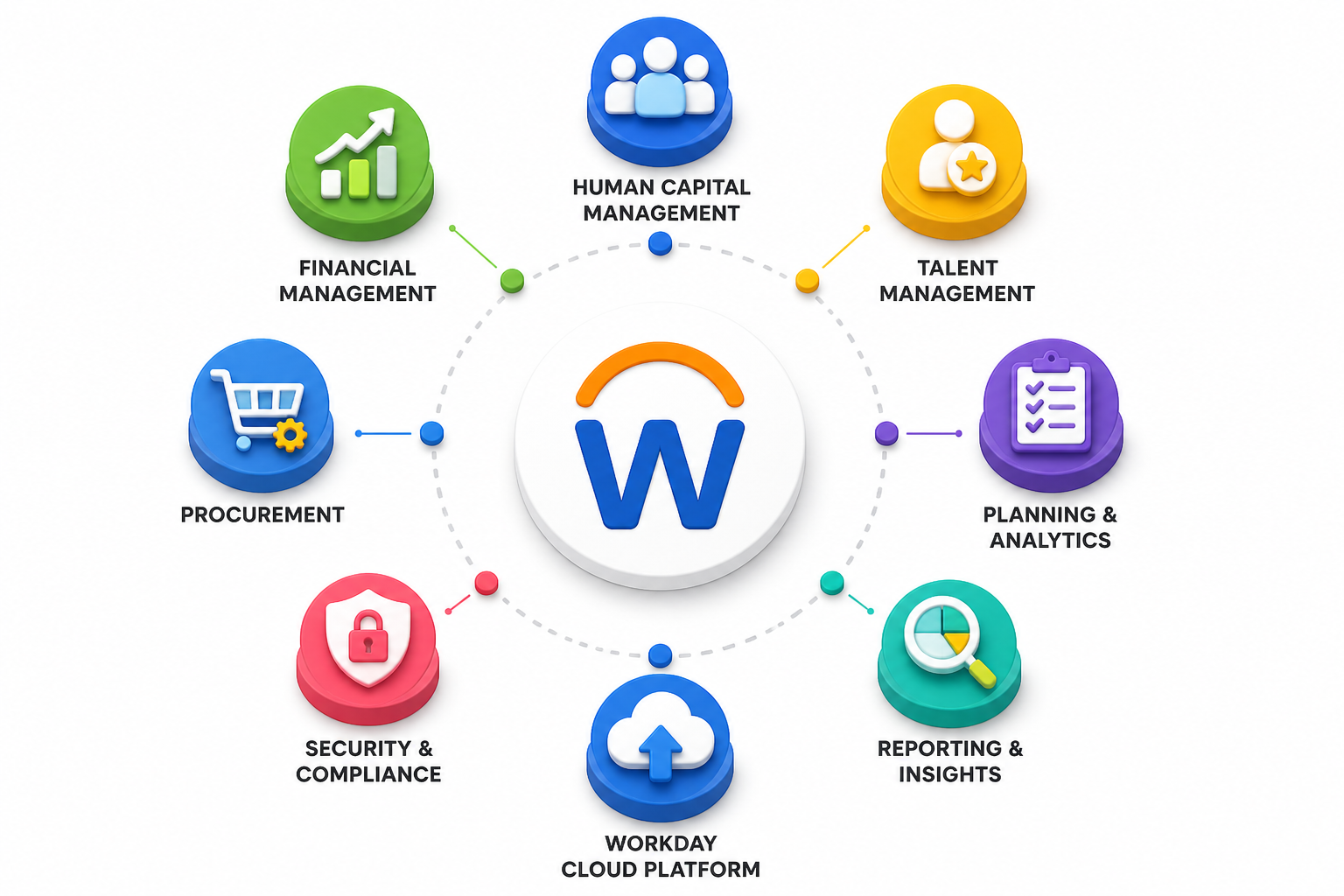
The Workday ecosystem in 2026 represents a unified, cloud-based platform that seamlessly integrates Human Capital Management (HCM), Financial Management, planning, analytics, and payroll into a single system. Unlike traditional enterprise software, Workday is built on a modern architecture that enables real-time data access, continuous updates, and enhanced user experience. Organizations rely on this ecosystem to streamline operations, improve workforce management, and make faster, data-driven decisions in an increasingly competitive business environment.
Understanding Core Workday HCM Functional Modules
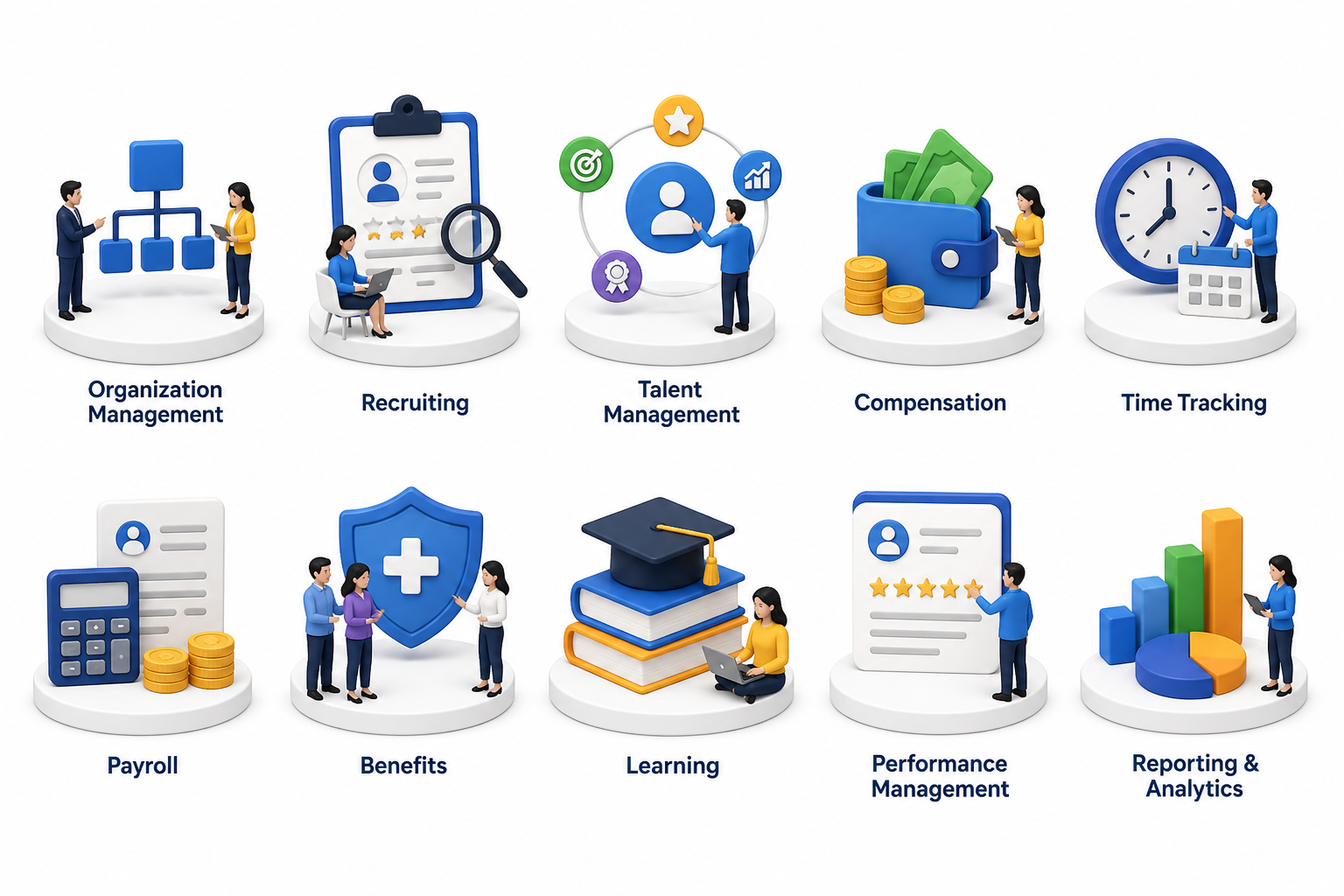
The architectural foundation of Workday begins with its Human Capital Management suite, which acts as a unified system of record for global workforces. Unlike legacy ERPs, this platform utilizes a "Power of One" model, meaning every functional area—from recruitment to retirement—shares the same data source. This eliminates data silos and allows for real-time reporting across diverse regions. Mastering these elements ensures that organizational changes are reflected instantly across the entire enterprise cloud.
Within these modules, the system manages complex organizational structures through flexible hierarchies and job profiles. It allows administrators to define compensation grades and benefit plans that automatically adjust based on localized legal requirements. By focusing on the user experience and mobile-first design, these modules empower managers to execute high-impact decisions, such as talent evaluations and staffing adjustments, without needing constant intervention from technical support teams.
- Core Workday HCM Functional Components:
- Organizational Management: Establishing supervisory, cost center, and matrix hierarchies to reflect the true company structure.
- Job & Position Management: Defining roles through job families and managing headcount through flexible staffing models.
- Compensation Framework: Configuring salary grades, merit plans, and allowance rules to automate global pay equity.
- Worker Lifecycle Events: Managing the "Hire to Retire" flow, including onboarding, transfers, promotions, and terminations.
- Self-Service Functionality: Enabling employees and managers to update personal data and initiate tasks via desktop or mobile app.
- Security & Compliance: Implementing role-based permissions to protect sensitive employee data while meeting regional privacy laws.
Step-by-Step Guide to Workday Certification and Training
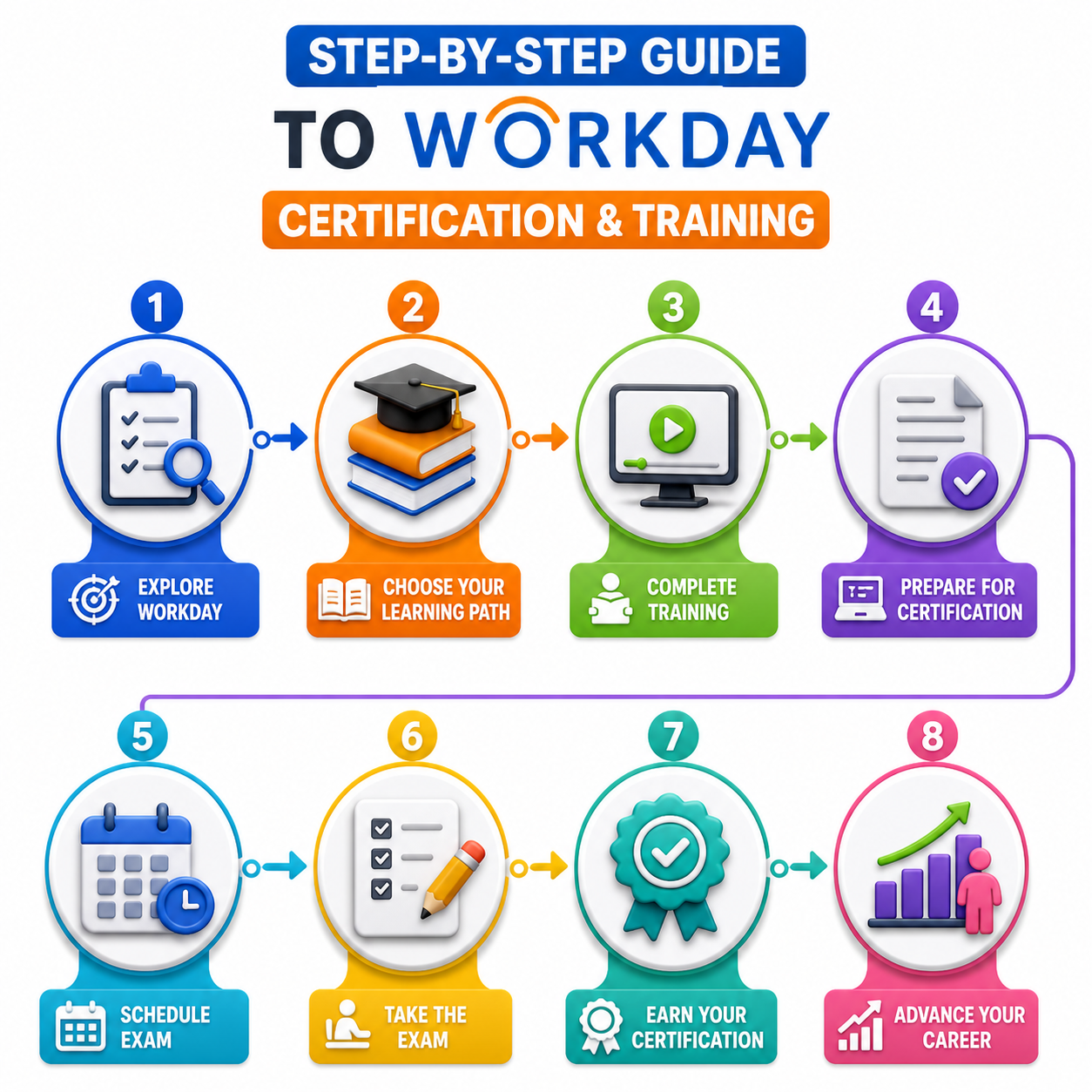
Getting certified in Workday starts with understanding the platform’s core modules, such as Human Capital Management (HCM) and Financial Management. The first step is to choose the right training path based on your career goals—whether you want to specialize in HR, finance, or analytics. For learners seeking location-based options, enrolling in a Workday training in Bangalore program can be beneficial, as the city offers access to experienced trainers, industry exposure, and better placement opportunities. Since Workday certification is only available through authorized partners, selecting a reputable provider is essential. These programs typically include hands-on practice, real-time scenarios, and access to a Workday tenant, helping you build practical knowledge alongside theoretical concepts.
Once you complete your training, the next step is preparing for the certification assessment, which evaluates your understanding of Workday tools, business processes, and configurations. Consistent practice, revision of key concepts, and working on mock projects can significantly improve your chances of success. After clearing the certification, professionals should focus on applying their skills in real-world environments, gaining project experience, and staying updated with Workday releases. Continuous learning and practical exposure are key to building a successful and long-term career in the Workday ecosystem.
Workday Career Paths and Job Roles in 2026
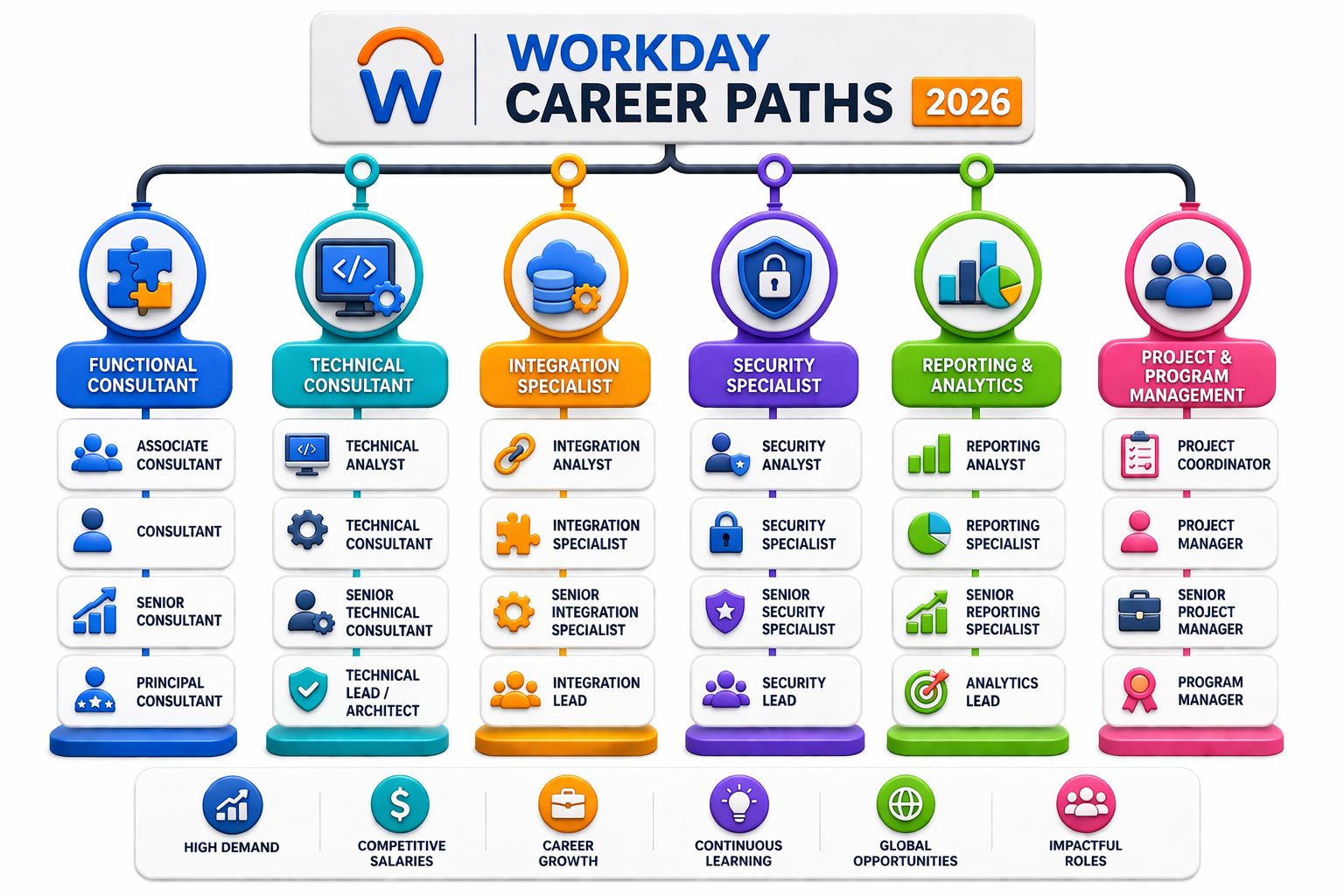
Workday offers diverse career paths across HR, finance, and technology, making it ideal for both freshers and experienced professionals. As organizations continue adopting cloud ERP solutions, the demand for skilled Workday consultants is steadily increasing.
In 2026, professionals can choose between functional, technical, and hybrid roles based on their background and interests. With the right training, certification, and hands-on experience, candidates can build a high-growth career in the Workday ecosystem.
- Key Job Roles:
- Workday HCM Consultant
- Workday Functional Consultant
- Workday Technical Consultant
- Workday Integration Consultant
- Workday Business Analyst
- Workday Reporting Analyst
- Workday Payroll Specialist
- Workday Financials Consultant
Workday Skills You Need to Become a Consultant
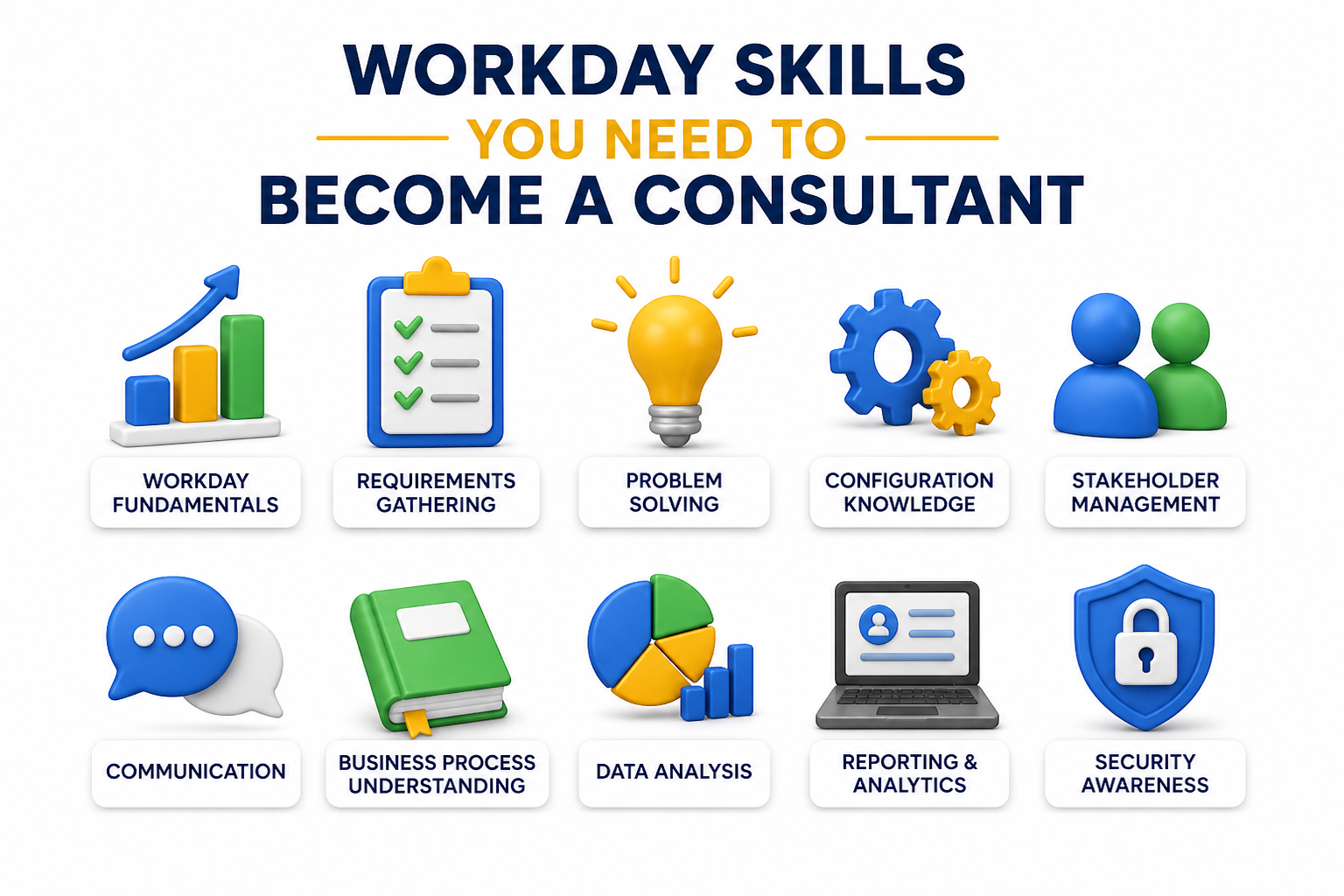
To become a Workday consultant, you need a mix of functional and technical skills. Understanding business processes in HR or finance is essential, along with knowledge of Workday modules, configurations, and reporting tools to deliver effective solutions.
In addition, strong communication and problem-solving skills are crucial for client interactions and project success. Hands-on experience, data analysis, and familiarity with integrations or APIs can further enhance your profile and open better career opportunities.
- Strong understanding of HR or Finance business processes
- Knowledge of Workday HCM, Financials, and core modules
- Hands-on experience with configuration, reporting, and dashboards
- Familiarity with integrations, APIs, and data handling
- Excellent communication, problem-solving, and client interaction skills
Future Scope of Workday in 2026 and Beyond
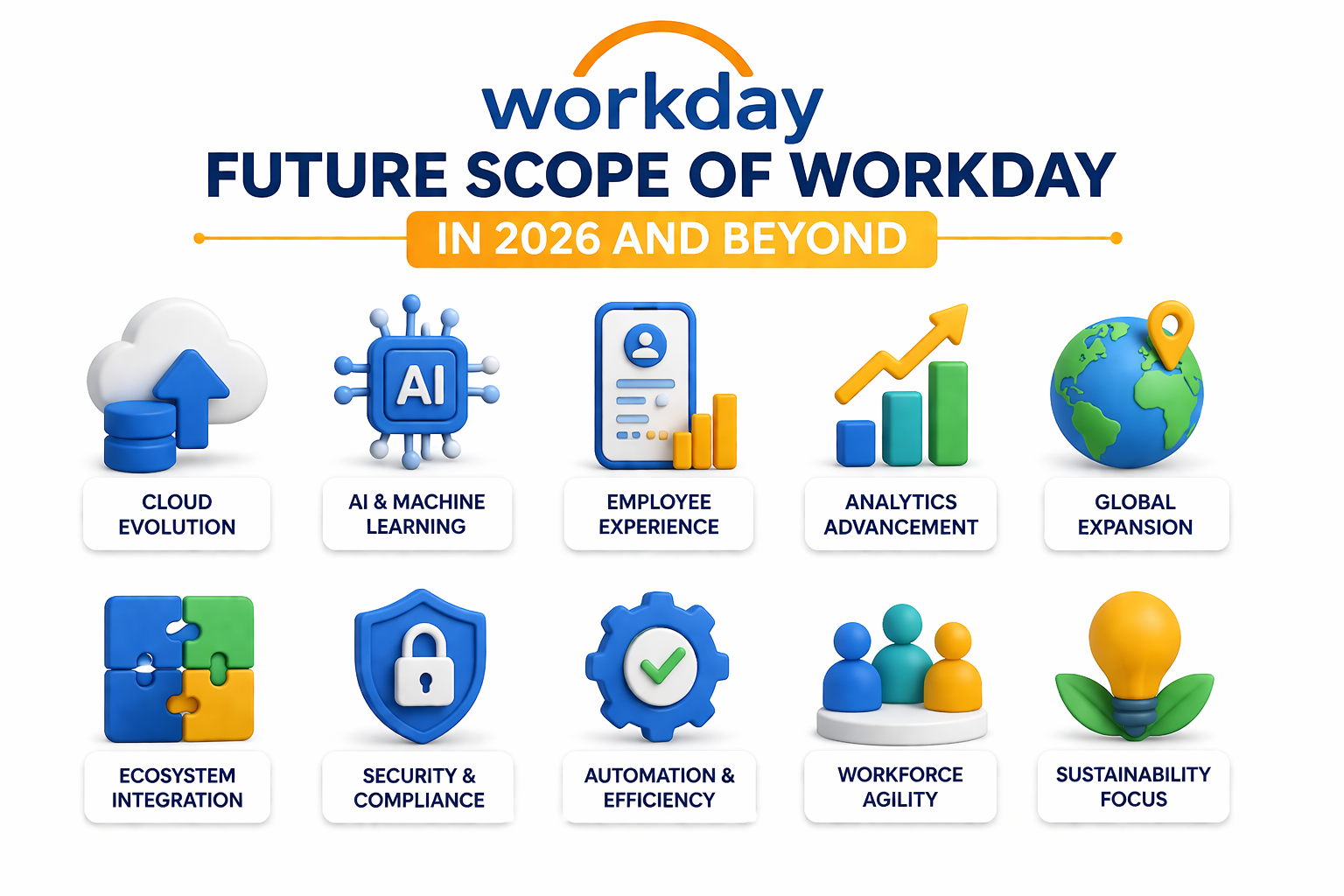
The future of Workday looks highly promising as more organizations shift toward cloud-based enterprise solutions for managing HR and financial operations. With businesses prioritizing agility, automation, and real-time data insights, Workday continues to gain traction across industries. Its unified platform allows companies to streamline processes, improve workforce planning, and make faster strategic decisions, making it a preferred choice for modern enterprises worldwide.
In 2026 and beyond, the integration of artificial intelligence and machine learning within Workday is expected to further enhance its capabilities. Features like predictive analytics, automated workflows, and intelligent recommendations will help organizations optimize performance and reduce manual effort. This technological advancement will not only improve efficiency but also create new opportunities for professionals who can work with advanced Workday tools and data-driven systems.
As global demand for Workday expertise continues to rise, career opportunities in this domain are expanding rapidly. Companies are actively seeking skilled consultants, analysts, and developers who can implement and manage Workday solutions effectively. For professionals, this means strong job security, competitive salaries, and long-term growth potential. Continuous learning and staying updated with new Workday releases will be key to maintaining a successful career in this evolving ecosystem.
Conclusion
Workday in 2026 stands as a powerful platform for building a future-ready career, offering opportunities across functional and technical domains. With the right guidance, structured learning, and consistent practice, professionals can confidently transition from beginners to skilled consultants.
By following a clear roadmap that includes understanding the ecosystem, mastering modules, gaining certification, and developing key skills, individuals can unlock strong career growth. Continuous learning and real-world experience will ensure long-term success in the evolving Workday landscape.