Workday Training and Placement Programs for Career Growth
_11zon (1).webp)
The demand for Workday professionals is growing rapidly as organizations across industries adopt cloud-based Human Capital Management (HCM) and enterprise resource planning solutions. Companies are actively seeking candidates who understand Workday applications, business processes, reporting, and workforce management.
For freshers, working professionals, and experienced candidates looking to transition into a high-growth technology domain, enrolling in a Workday Training and Placement program can be a strategic career move. With proper training, certification guidance, hands-on learning, and placement support, learners can build the skills required to secure rewarding opportunities in the Workday ecosystem.
This guide explores the benefits of Workday training, career opportunities, certification paths, salary prospects, and how placement-focused programs can help accelerate professional growth.
What Is Workday?
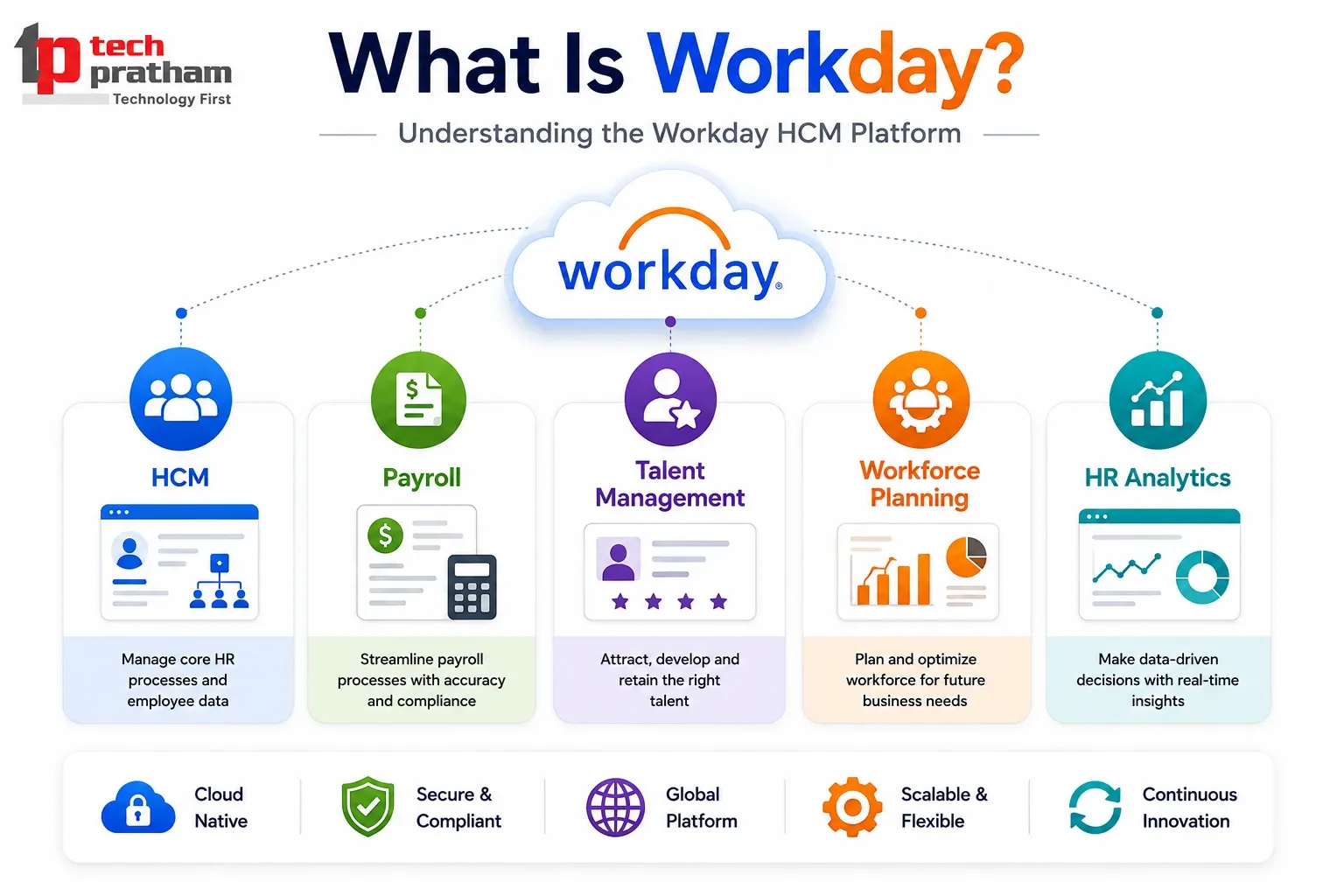
Workday is a leading cloud-based platform that helps organizations manage Human Capital Management (HCM), payroll, talent management, workforce planning, finance, and business operations.
Businesses use Workday for:
- Human Capital Management (HCM)
- Workforce Management
- Payroll Management
- Talent Management
- Compensation Management
- Benefits Administration
- Workforce Planning
- HR Analytics
- Financial Management
As more organizations invest in digital HR transformation, Workday professionals are becoming increasingly valuable in the job market.
For more details, read: Complete Guide to Workday Training
Why Is Workday a Popular Career Choice?
Many professionals today ask:
Is Workday a Good Career in India?
The answer is yes.
Workday has become one of the most sought-after career paths because organizations across the world are rapidly adopting cloud-based solutions to manage their workforce, payroll, finance, and business operations more efficiently.
As businesses continue moving away from traditional legacy systems, the demand for skilled Workday professionals is growing across industries such as IT, healthcare, banking, retail, manufacturing, and consulting. This increasing adoption has created strong opportunities for both freshers and experienced professionals looking to build a future-proof career.
Some of the key reasons behind Workday's growing popularity include:
- Rising demand for cloud-based HR and workforce management solutions
- Excellent job opportunities across multiple industries
- Competitive salary packages and career growth potential
- Global employment opportunities with multinational companies
- Continuous innovation in cloud ERP and HR technology
- Growing demand for Workday-certified professionals
- Multiple specialization options such as HCM, Payroll, Reporting, Security, and Integrations
- Opportunities to work on large-scale digital transformation projects
Another advantage of choosing Workday as a career is its long-term growth potential. As more organizations invest in workforce automation, analytics, and cloud technologies, professionals with Workday expertise are expected to remain in high demand for years to come.
With strong market demand, attractive compensation, and opportunities to work with leading global organizations, Workday continues to be an excellent career choice for individuals seeking stability, growth, and long-term success in the enterprise technology industry.
Why Choose Workday Training and Placement Programs?
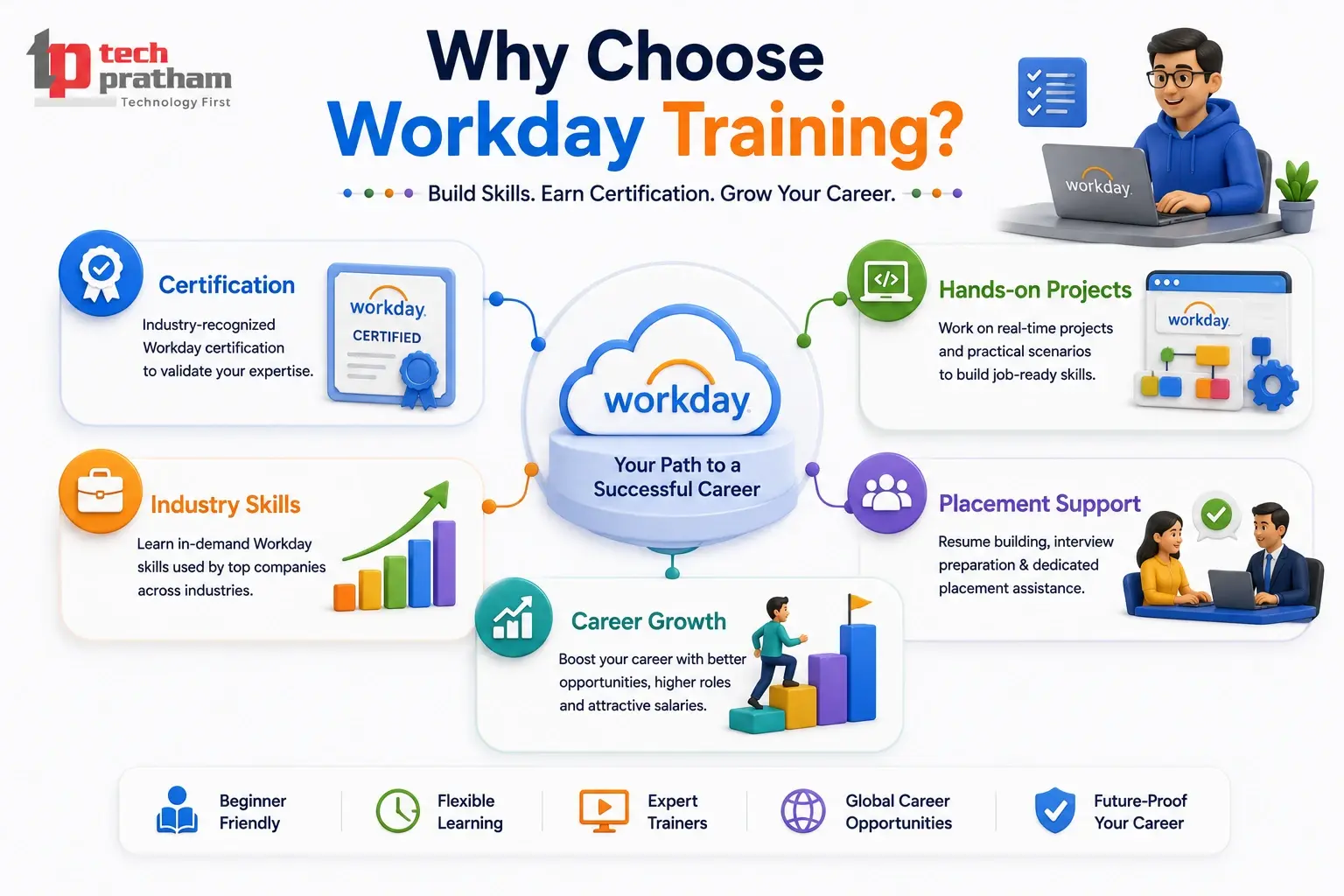
A structured Workday Training and Placement program provides more than technical knowledge. It prepares learners for real-world projects, interviews, certifications, and job opportunities.
Benefits of Workday Training
Industry-Relevant Skills
Workday training helps learners develop practical knowledge of some of the most in-demand business and HR technologies used by global organizations. Participants gain a strong understanding of:
- Workday HCM (Human Capital Management)
- Employee Lifecycle Management
- Talent Management and Recruitment
- Payroll Processes and Compensation Management
- Workforce Planning and Resource Management
- HR Analytics and Reporting
- Business Process Configuration and Automation
- Cloud-Based HR Systems and Enterprise Applications
These skills are highly valued by employers implementing digital HR and workforce management solutions.
Practical Learning Experience
A quality Workday training program goes beyond theory by providing hands-on exercises, real-world projects, case studies, and implementation scenarios. This practical exposure helps learners understand how Workday is used in actual business environments, improving both confidence and problem-solving abilities.
Certification Preparation
Many training programs offer structured guidance for Workday HCM certification preparation. Learners receive support through practice exercises, mock assessments, real-world scenarios, and expert mentoring, helping them strengthen their knowledge and improve their readiness for certification and job opportunities.
Placement Assistance
Placement-focused Workday training programs are designed to help learners transition into professional roles more effectively. Support often includes:
- Resume Building and Profile Optimization
- Mock Interviews with Industry Experts
- Technical and Functional Interview Preparation
- Career Counseling and Guidance
- Job Referrals and Placement Support
These services help learners improve their employability, build professional confidence, and prepare for successful careers in the Workday ecosystem.
Skills You Learn During Workday Training
.webp)
Placement-focused Workday training programs are designed to help learners transition into professional roles more effectively. Support often includes:
A comprehensive Workday Training program is designed to provide learners with both functional knowledge and practical skills required to work on real-world Workday implementations. The curriculum typically covers key business processes and modules that organizations use to manage their workforce, finances, and operations efficiently.
Human Capital Management (HCM)
Learn how organizations manage employee records, organizational structures, workforce administration, and employee lifecycle processes using Workday HCM.
Talent Management
Understand recruitment, onboarding, performance management, succession planning, and employee development processes that help organizations attract and retain top talent.
Compensation and Benefits
Gain knowledge of compensation structures, salary planning, incentive programs, and employee benefits administration within the Workday platform.
Workday Reporting and Analytics
Learn how to create reports, dashboards, and workforce analytics that support data-driven decision-making and business performance monitoring.
Business Process Framework
Understand Workday's automated workflows, approval chains, notifications, and business process configuration used to streamline operations.
Workforce Planning
Explore workforce planning strategies, resource allocation, headcount management, and organizational planning to support business growth.
By learning these areas, professionals develop practical skills that make them job-ready and capable of contributing to Workday implementation, support, and consulting projects.
Workday Certification Course: Why It Matters
While practical experience is essential, earning a Workday Certification can further strengthen your professional profile and career prospects. A Workday Certification Course demonstrates your understanding of Workday concepts, business processes, and platform capabilities.
Certification can help professionals:
- Validate their Workday knowledge and skills
- Improve job opportunities and career growth
- Build confidence among recruiters and employers
- Enhance professional credibility in the market
- Stand out in a competitive job environment
- Increase earning potential and promotion opportunities
Organizations often prefer candidates who combine certification with hands-on project experience, strong business process knowledge, and practical implementation skills. Together, training and certification create a solid foundation for building a successful career in the Workday ecosystem.
Career Opportunities After Workday Training
.webp)
One of the biggest advantages of Workday Training is the variety of available career paths.
As more organizations adopt Workday to manage their workforce and business operations, the demand for skilled professionals continues to increase.
Workday HCM Consultant
Workday HCM Consultants help organizations implement, configure, and optimize Human Capital Management processes such as workforce administration, talent management, compensation, and employee lifecycle management.
Workday Functional Consultant
A Workday Functional Consultant works closely with stakeholders to understand business requirements, configure Workday modules, improve workflows, and support successful system implementations.
Workday Administrator
Workday Administrators are responsible for managing system configurations, user access, security settings, business processes, and day-to-day platform support to ensure smooth operations.
Workday Reporting Analyst
Reporting Analysts create reports, dashboards, and workforce analytics that help organizations gain valuable business insights and make data-driven decisions.
Workday Integration Consultant
Integration Consultants design, develop, and maintain integrations between Workday and external applications, ensuring seamless data flow across enterprise systems.
Workday Finance Consultant
Workday Finance Consultants support organizations using Workday Financial Management solutions by configuring finance processes, reporting structures, budgeting workflows, and accounting operations.
Additional Career Paths
Depending on the specialization chosen, professionals can also pursue roles such as:
- Workday Payroll Consultant
- Workday Recruiting Consultant
- Workday Prism Analytics Consultant
- Workday Adaptive Planning Consultant
- Workday Studio Developer
- Workday Security Consultant
- Workday Technical Consultant
- HRIS Analyst
- Workforce Planning Analyst
With organizations continuing to invest in cloud-based business applications and digital transformation initiatives, Workday professionals can expect strong job demand, excellent career growth opportunities, and competitive salary packages in the years ahead.
Workday Salary Trends in India
Another common question among learners is:
What Salary Can You Expect After Workday Training?
While salaries vary based on experience, skills, certifications, and employer requirements, Workday professionals often enjoy competitive compensation.
Experience Level | Average Salary Range |
Freshers | ₹4 LPA – ₹8 LPA |
2–5 Years | ₹8 LPA – ₹18 LPA |
Experienced Professionals | ₹15 LPA – ₹30+ LPA |
Senior Consultants | ₹25 LPA – ₹50+ LPA |
Professionals with practical project experience and certification credentials generally command higher salaries.
Workday Training for Freshers
Fresh graduates often wonder whether they can start a Workday career without prior experience.
The answer is yes.
Workday is suitable for:
- Fresh Graduates
- HR Professionals
- Recruiters
- Payroll Specialists
- ERP Professionals
- Business Analysts
- Career Changers
A structured learning path helps freshers understand business processes, HR operations, and Workday functionality from the ground up.
Workday Training for Experienced Professionals
Experienced professionals can also benefit significantly from Workday training.
Professionals from backgrounds such as:
Workday is suitable for:
- Human Resources
- ERP Systems
- SAP
- Oracle HCM
- Payroll Management
- Business Analysis
can transition into Workday consulting and implementation roles.
Their existing business knowledge often provides a strong advantage when learning Workday applications.
Future Scope of Workday Career
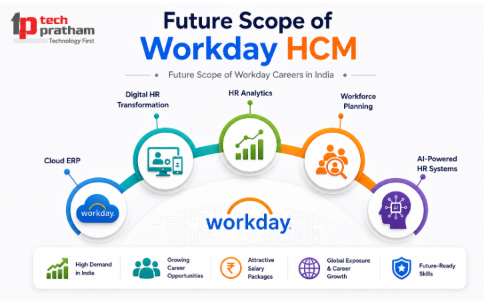
The future of Workday careers looks exceptionally strong as organizations continue embracing cloud technology, automation, and digital transformation initiatives. With businesses seeking more efficient ways to manage their workforce, finances, and operations, the demand for skilled Workday professionals is expected to grow steadily in the coming years.
Cloud ERP Adoption
Organizations across industries are replacing legacy systems with modern cloud-based enterprise applications. As Workday continues to be a preferred cloud ERP platform, professionals with Workday expertise remain in high demand.
Digital HR Transformation
Companies are investing heavily in advanced HR technologies to improve employee experiences, streamline HR operations, and automate business processes. This trend continues to drive demand for Workday consultants and administrators.
Workforce Analytics and Data-Driven Decision Making
Modern businesses increasingly rely on workforce analytics, reporting, and business intelligence to make informed decisions. As a result, skills in Workday Reporting, Prism Analytics, and workforce planning are becoming more valuable.
Growing Demand for Specialized Workday Skills
Organizations are actively seeking professionals with expertise in areas such as HCM, Payroll, Recruiting, Financial Management, Integrations, Adaptive Planning, Security, and Studio. Specialized knowledge often leads to better career opportunities and higher earning potential.
Global Expansion of Workday
Workday continues to expand across industries including IT, healthcare, manufacturing, banking, retail, education, and professional services. This global adoption creates opportunities for professionals to work on large-scale implementations and international projects.
As these trends continue to shape the future of enterprise technology, Workday professionals can expect strong job demand, attractive salary packages, and long-term career growth opportunities across both functional and technical domains.
Why Choose Techpratham for Workday Training and Placement?
Techpratham offers industry-oriented training programs designed to help learners gain practical expertise and career-ready skills.
Key benefits include:
- Experienced Trainers
- Practical Learning Approach
- Updated Curriculum
- Certification Guidance
- Interview Preparation
- Placement Assistance
- Flexible Learning Options
Whether you are a fresher starting your career or a professional seeking growth, Techpratham's training programs can help you build the knowledge and confidence required to succeed in the Workday ecosystem.
Recommended Learning Resources
To strengthen your understanding of Workday concepts and career opportunities, explore these resources:
These learning paths can help you develop both foundational and advanced Workday skills.
Conclusion
Workday Training and Placement programs provide an effective pathway for building a successful career in one of the fastest-growing enterprise technology domains. By combining practical learning, certification preparation, and placement support, these programs help learners develop the skills employers actively seek.
Whether you are a fresher exploring new opportunities or an experienced professional planning a career transition, investing in Workday training can open doors to rewarding job roles, career growth, and long-term professional success.
Related Articles

Future Scope of Workday in India: Jobs, Skills, AI Impact and Salary
Explore Workday career opportunities in India, in-demand skills, AI impact, job roles, salary expectations, and a 90-day learning roadmap.
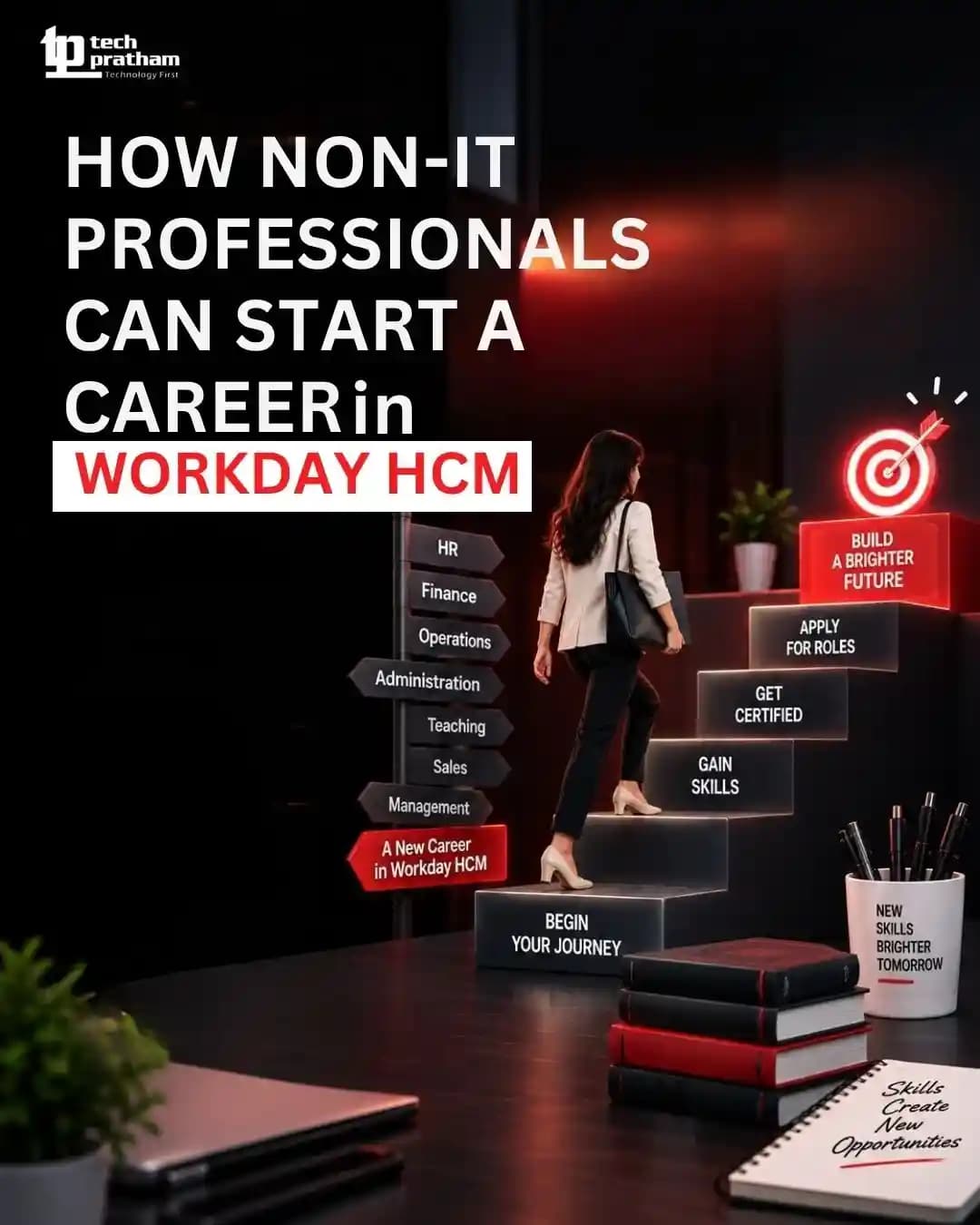
How Can Non-IT Professionals Start a Career in Workday HCM?
Learn how non-IT professionals can enter Workday HCM, build relevant skills, gain practical experience, and explore suitable career opportunities.

What Are the Different Workday Modules and What Does Each One Do?
Explore Workday modules, their functions, how they work together, and which specialization may suit your skills and career goals.





 +91-8882178896
 +1 (343) 477-0926