
Table of Contents
Workday Prism Analytics: Turning Data into Actionable Insights
In today’s fast-paced business environment, data is everywhere—but turning that data into meaningful insights is where most organizations struggle. Companies collect vast amounts of information from m...
In today’s fast-paced business environment, data is everywhere—but turning that data into meaningful insights is where most organizations struggle. Companies collect vast amounts of information from multiple systems, yet much of it remains underutilized or siloed. This gap between data collection and actionable insight often leads to delayed decisions, missed opportunities, and inefficiencies. To truly stay competitive, organizations need a smarter way to unify, analyze, and act on their data in real time.
This is where Workday Prism Analytics comes into play. It empowers businesses to combine data from both internal Workday systems and external sources into a single, unified platform. With its ability to prepare, transform, and analyze data seamlessly, Prism Analytics helps organizations uncover deeper insights and make more informed decisions. Whether it’s improving workforce planning, enhancing financial forecasting, or identifying trends faster, Workday Prism Analytics turns complex data into clear, actionable intelligence that drives better business outcomes.
Understanding the Need for Data-Driven Decision Making
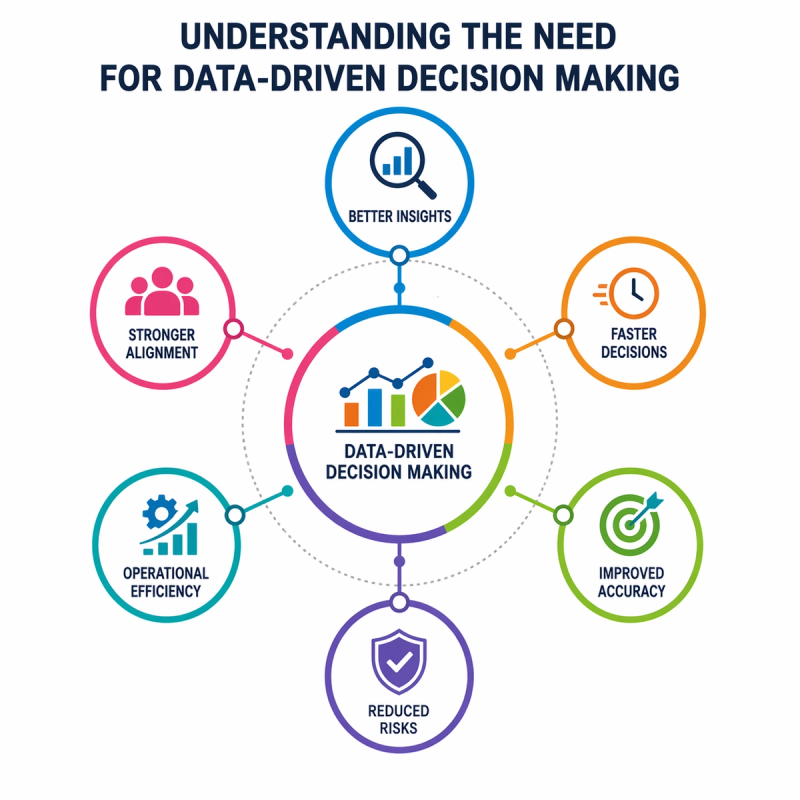
In today’s competitive and fast-moving business landscape, relying on intuition or past experience alone is no longer enough to make effective decisions. Organizations are generating massive amounts of data every day—from employee performance metrics to financial transactions and customer interactions. However, without a structured approach to analyze this data, it becomes difficult to extract meaningful insights. Data-driven decision making helps businesses move beyond guesswork by using factual information to guide strategies, reduce risks, and improve overall efficiency.
One of the key reasons data-driven decision making is essential is its ability to provide real-time visibility into business operations. Instead of waiting for periodic reports, leaders can access up-to-date insights and respond quickly to changing conditions. For example, HR teams can identify workforce trends such as attrition or skill gaps, while finance teams can monitor spending patterns and forecast future outcomes more accurately. This level of visibility enables proactive decision making, helping organizations stay agile and competitive in dynamic markets.
Moreover, data-driven approaches promote consistency and accountability across the organization. Decisions backed by data are easier to justify and communicate, reducing ambiguity and bias. They also enable better alignment between departments, as everyone works from a single source of truth. Over time, this leads to improved performance, optimized resource allocation, and stronger strategic planning. By embracing data-driven decision making, organizations can unlock the full potential of their data and turn insights into impactful actions.
What Makes Workday Prism Analytics Unique
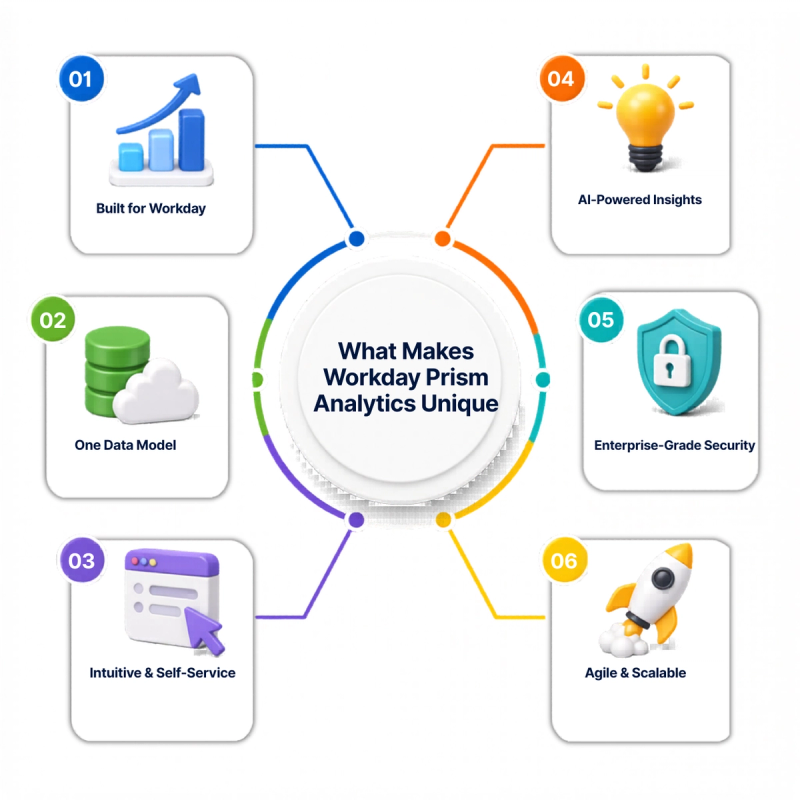
What sets Workday Prism Analytics apart is its ability to seamlessly unify data from multiple sources within a single environment. Unlike traditional analytics tools that require complex integrations or external data warehouses, Prism allows organizations to bring together Workday data and third-party data without leaving the platform. This unified approach eliminates data silos and provides a consistent, reliable foundation for analysis. As a result, business users can access a complete view of their operations and make decisions based on comprehensive, real-time insights—making it a highly valuable capability often emphasized in a Workday Prism Analytics course.
Another unique aspect of Workday Prism Analytics is its tight integration with the broader Workday ecosystem. It is not just a standalone analytics tool but an extension of Workday’s core applications, enabling users to move from insights to action without switching systems. With built-in data preparation, transformation capabilities, and strong governance controls, Prism empowers both technical and non-technical users to work with data efficiently. This combination of accessibility, scalability, and seamless integration makes it a powerful solution for modern, data-driven organizations.
Key Features That Make Prism Analytics Unique:
- Unified platform for internal and external data integration
- No need for separate data warehouse or complex tools
- Seamless integration with Workday applications
- Built-in data preparation and transformation capabilities
- Real-time access to business insights
- Strong data governance and security controls
- User-friendly interface for both technical and business users
- Scalable solution for growing data and business needs
Core Components of Workday Prism Analytics Architecture
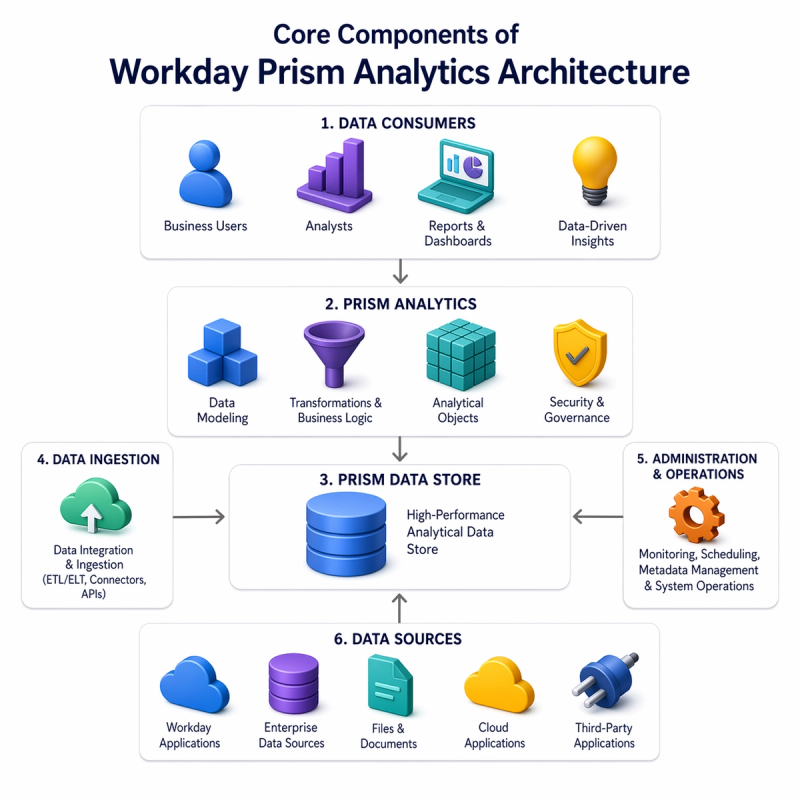
The architecture of Workday Prism Analytics is built around a unified data pipeline that enables organizations to ingest, store, and process large volumes of data efficiently. At its core, Prism uses data sources as entry points, allowing businesses to bring in information from Workday applications as well as external systems such as CRM platforms, financial tools, or third-party databases. Once the data is ingested, it is organized into datasets, which act as structured collections of information that can be prepared and analyzed. This layered approach ensures that raw data is systematically transformed into a usable format, making it easier to generate meaningful insights—an approach commonly explored in a Workday course in Gurgaon to help learners understand real-world data integration and analytics workflows.
Another key component of the architecture is its powerful data preparation and transformation layer. Within Workday Prism Analytics, users can cleanse, enrich, and reshape data using built-in tools such as calculated fields, data blending, and filtering. These prepared datasets are then seamlessly integrated with Workday reporting and dashboards, enabling users to visualize and act on insights directly within the platform. Additionally, the architecture includes strong governance and security controls, ensuring that data access is managed appropriately and remains compliant with organizational policies. This end-to-end design allows businesses to move from raw data to actionable insights in a streamlined and secure manner.
Data Preparation and Transformation in Workday Prism
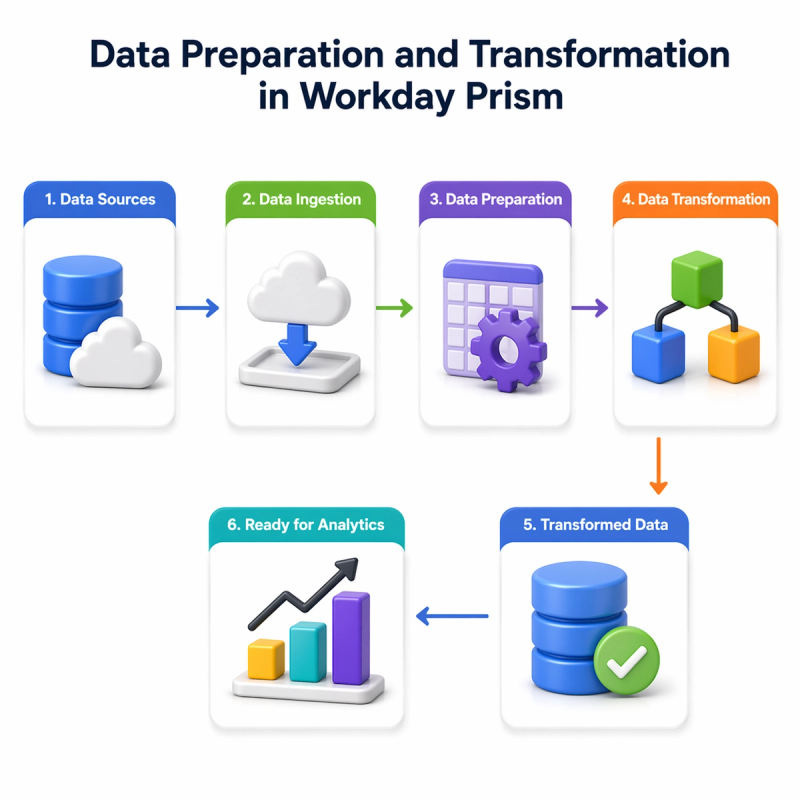
Data preparation and transformation are at the heart of how Workday Prism Analytics turns raw data into meaningful insights. When data is brought into Prism from multiple sources—such as HR systems, financial platforms, or external databases—it often comes in different formats, structures, and levels of quality. Data preparation ensures that this information is cleaned, standardized, and organized before it is used for analysis. This step is essential because accurate and consistent data forms the foundation for reliable reporting and decision-making.
Within Workday Prism Analytics, transformation tools allow users to reshape and enrich data to meet specific business needs. Users can apply operations such as filtering irrelevant records, joining multiple datasets, creating calculated fields, and aggregating data for summary-level insights. These transformations help convert raw, unstructured data into well-defined datasets that align with business objectives. The platform’s intuitive interface also makes it easier for both technical and non-technical users to perform these tasks without requiring deep coding expertise.
Another important aspect of data preparation and transformation is maintaining data quality and consistency over time. Workday Prism Analytics provides features that help validate data, reduce duplication, and ensure that updates are reflected accurately across datasets. This not only improves trust in the data but also enhances the overall efficiency of analytics processes. By streamlining preparation and transformation, organizations can focus more on analyzing insights and less on managing data complexity, ultimately enabling faster and more informed decision-making.
Role of Data Governance in Prism Analytics
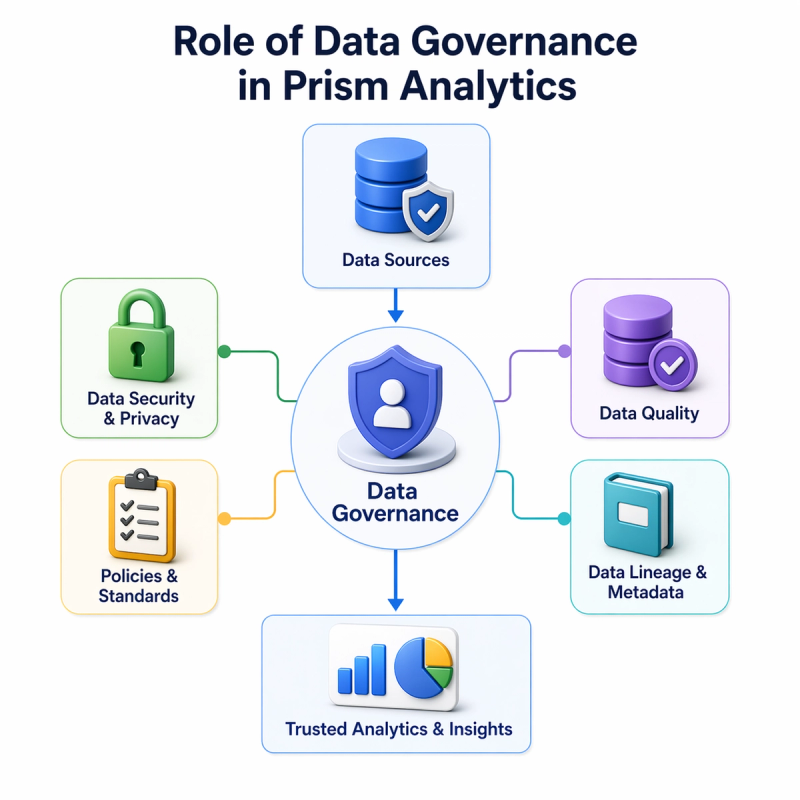
The role of data governance in Workday Prism Analytics is critical for ensuring that data remains accurate, secure, and trustworthy across the organization. As businesses integrate data from multiple internal and external sources, the risk of inconsistencies, duplication, and unauthorized access increases. Data governance provides a structured framework of policies and controls that define how data is collected, stored, accessed, and used. This ensures that everyone in the organization works with reliable data, reducing errors and improving the quality of insights generated from analytics.
Within Workday Prism Analytics, governance is enforced through role-based access controls, data security policies, and audit capabilities. Organizations can define who has permission to view, modify, or share specific datasets, ensuring sensitive information is protected. Additionally, governance features help track data lineage—showing where data comes from and how it has been transformed over time. This transparency is essential for compliance, especially in industries with strict regulatory requirements, as it allows organizations to demonstrate accountability and maintain data integrity.
Effective data governance also enhances collaboration and decision-making across teams. When users trust the data they are working with, they can make faster and more confident decisions. Workday Prism Analytics enables organizations to establish a single source of truth, aligning different departments around consistent and standardized data. Over time, this leads to improved operational efficiency, better risk management, and stronger strategic planning. By embedding governance into analytics processes, organizations can fully leverage their data while maintaining control and compliance.
Financial Planning and Forecasting Using Prism
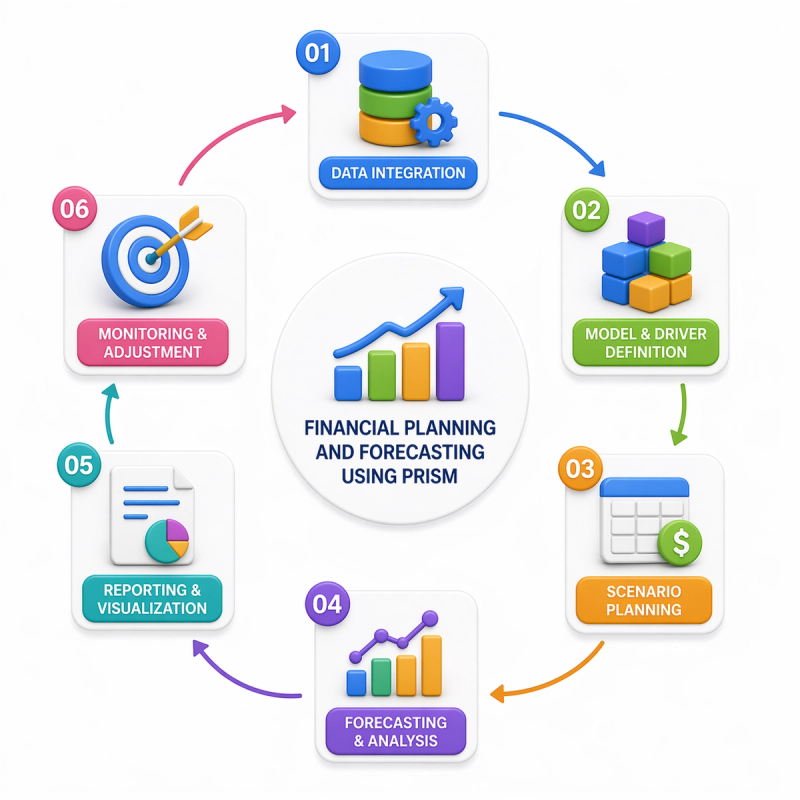
Financial planning and forecasting become far more effective when organizations can rely on accurate, real-time data rather than static spreadsheets or delayed reports. With Workday Prism Analytics, businesses can bring together financial data from multiple sources—such as ERP systems, external market data, and operational inputs—into a single, unified platform. This integration provides finance teams with a complete and up-to-date view of their financial position, enabling them to plan budgets more accurately and respond quickly to changing business conditions.
One of the key strengths of Workday Prism Analytics in financial forecasting is its ability to transform and analyze large datasets efficiently. Finance professionals can create calculated metrics, identify trends, and run scenario analyses to evaluate different financial outcomes. For example, organizations can model the impact of changes in revenue, expenses, or workforce costs and adjust their strategies accordingly. This level of analytical capability supports more proactive decision-making, allowing businesses to anticipate risks and opportunities rather than simply reacting to them.
Additionally, Workday Prism Analytics enhances collaboration between finance and other departments by providing a shared, reliable data foundation. Teams can align on consistent data and insights, ensuring that financial plans are closely connected to operational realities. With improved visibility and accuracy, organizations can optimize resource allocation, improve forecasting precision, and drive long-term financial stability. Ultimately, Prism Analytics helps transform financial planning from a periodic task into a continuous, data-driven process that supports strategic growth.
Integrating Prism Analytics with Workday HCM
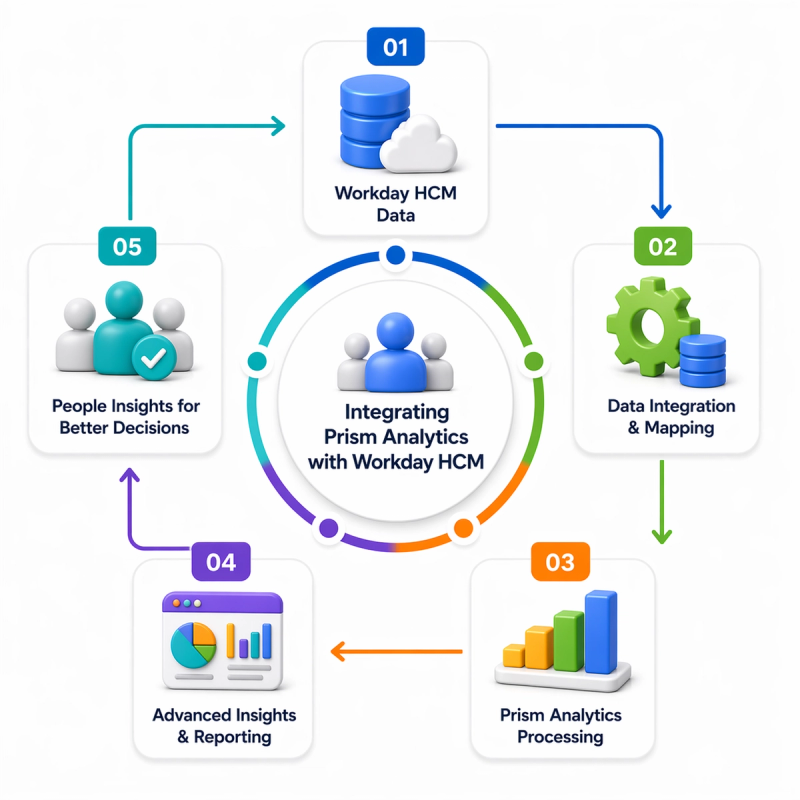
Integrating Workday Prism Analytics with Workday HCM allows organizations to unlock deeper workforce insights by combining HR data with external and operational datasets. While Workday HCM already provides strong reporting capabilities for employee data, Prism enhances this by enabling advanced data blending, enrichment, and large-scale analysis. This means HR teams can go beyond standard reports and analyze workforce trends alongside financial, operational, or market data—leading to more strategic and data-driven decisions, a concept often explored in programs like Workday HCM Training in Pune.
Another major advantage of this integration is the ability to move seamlessly from insight to action within the Workday ecosystem. Data prepared in Workday Prism Analytics can be directly used in Workday HCM dashboards and reports, giving HR leaders real-time visibility into key metrics such as attrition, hiring trends, and workforce performance. This unified approach reduces reliance on external tools and ensures that decisions are based on consistent, accurate data. As a result, organizations can improve workforce planning, enhance employee experience, and align HR strategies more closely with overall business goals.
Benefits of Integrating Prism Analytics with Workday HCM:
- Unified view of workforce data with external data sources
- Enhanced HR analytics beyond standard reporting capabilities
- Real-time insights into employee performance and trends
- Improved workforce planning and talent management strategies
- Ability to identify attrition risks and skill gaps early
- Seamless integration with Workday dashboards and reports
- Reduced dependency on third-party analytics tools
- Consistent and reliable data for better decision-making
- Strong data governance and security across HR data
- Better alignment between HR insights and business objectives
Conclusion
In conclusion, Workday Prism Analytics plays a crucial role in helping organizations bridge the gap between raw data and meaningful business insights. As highlighted throughout this blog, modern businesses generate vast amounts of data, but the real value lies in how effectively that data is integrated, prepared, governed, and analyzed. Prism Analytics provides a unified platform that not only simplifies complex data processes but also empowers users to make faster, smarter, and more informed decisions. By enabling a single source of truth, it ensures consistency, accuracy, and trust in every insight generated.
Ultimately, the true strength of Workday Prism Analytics lies in its ability to turn insights into action. Whether it is enhancing workforce planning through integration with Workday HCM, improving financial forecasting, or strengthening data governance, Prism supports organizations in becoming truly data-driven. As businesses continue to evolve in an increasingly competitive landscape, leveraging tools like Prism Analytics is no longer optional but essential for sustainable growth, agility, and long-term success.
Related Articles

The Future of Payroll Management with Workday Payroll Advanced Systems
What if payroll could do more than just pay employees on time? In today’s rapidly evolving business environment, payroll management is transforming from a routine administrative task into a strategic...

What Is Workday Illuminate? Complete Guide To AI In Workday?
What if your business systems could think ahead, spot patterns before you do, and quietly guide better decisions every day? That’s the direction modern enterprises are moving toward as artificial inte...