
Table of Contents
The Future of Payroll Management with Workday Payroll Advanced Systems
What if payroll could do more than just pay employees on time? In today’s rapidly evolving business environment, payroll management is transforming from a routine administrative task into a strategi...
What if payroll could do more than just pay employees on time? In today’s rapidly evolving business environment, payroll management is transforming from a routine administrative task into a strategic function that supports organizational growth and employee satisfaction. Traditional payroll systems often struggle with compliance complexities, delayed processing, and lack of real-time insights. Workday Payroll Advanced Systems address these challenges by offering a unified, cloud-based platform that automates processes, ensures regulatory compliance, and delivers accurate payroll results across global operations.
With the power of automation, real-time analytics, and seamless integration with human capital management systems, Workday Payroll enables organizations to gain deeper visibility into workforce costs and trends. This not only reduces errors and operational inefficiencies but also empowers decision-makers with actionable insights. As businesses continue to embrace digital transformation, gaining expertise through Workday Payroll training further strengthens an organization’s ability to fully leverage these capabilities. Advanced payroll systems like Workday are setting the foundation for a future where payroll is intelligent, agile, and closely aligned with overall business strategy.
Introduction to Modern Payroll Management Challenges
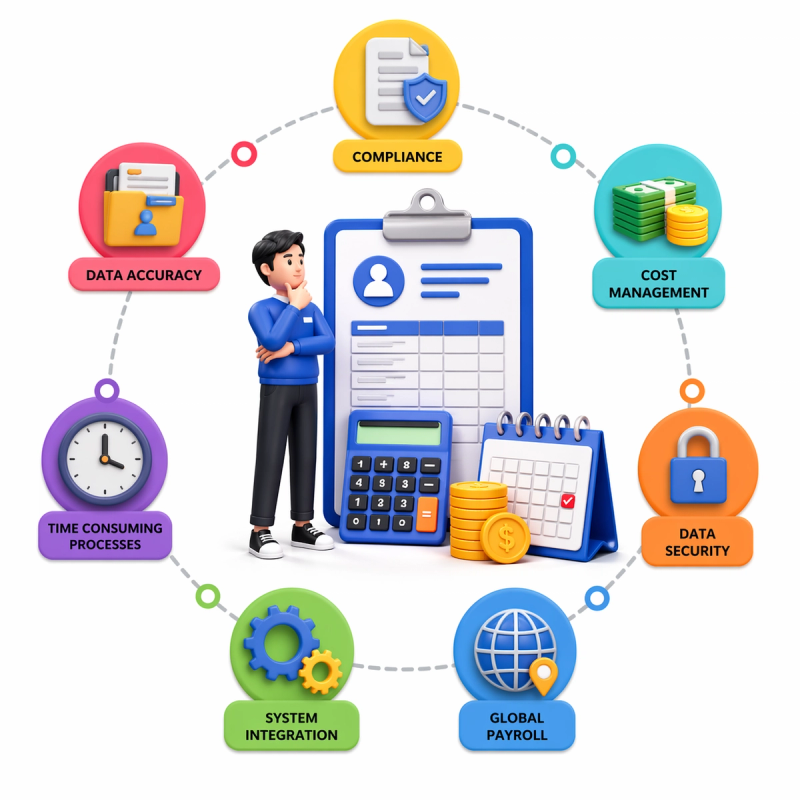
Modern payroll management has become significantly more complex than simply calculating employee salaries and issuing payments. Organizations today operate in highly dynamic environments where workforce structures include full-time employees, freelancers, remote workers, and global teams. This diversity introduces challenges in maintaining consistent payroll processes, handling multiple pay structures, and ensuring timely and accurate compensation. As businesses expand across regions, payroll teams must also navigate varying tax laws, labor regulations, and compliance requirements, making the process increasingly intricate and risk-prone.
One of the most pressing challenges in payroll management is ensuring compliance with constantly changing regulations. Governments frequently update tax codes, statutory benefits, and reporting standards, leaving organizations with little room for error. Even minor mistakes can lead to penalties, legal complications, and reputational damage. Additionally, manual or outdated payroll systems often lack the flexibility to adapt quickly to these changes, resulting in inefficiencies, data inconsistencies, and increased administrative burden for HR and finance teams.
Another critical issue is the growing demand for real-time data and transparency in payroll operations. Employees today expect accurate, on-time payments along with easy access to payslips, tax information, and benefits details. At the same time, organizations need instant insights into payroll expenses to support budgeting and strategic decision-making. Traditional payroll systems, which rely on batch processing and limited integration with other business functions, often fail to meet these expectations. This gap highlights the need for advanced, technology-driven payroll solutions that can streamline operations, improve accuracy, and deliver meaningful insights.
Evolution of Payroll Systems in Digital Transformation Era
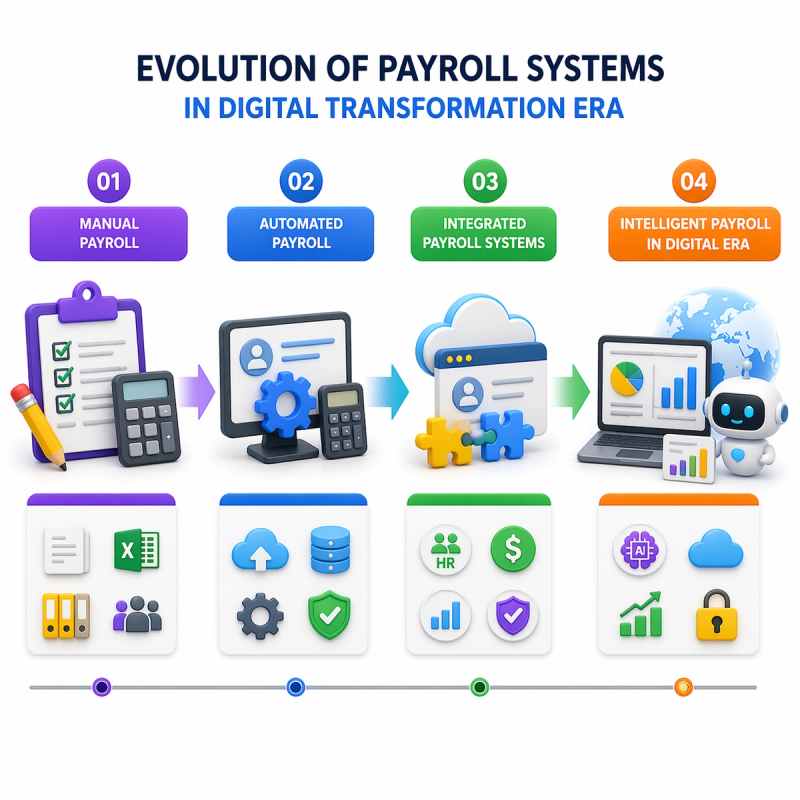
Payroll systems have undergone a significant transformation as organizations embrace digital technologies to improve efficiency and accuracy. In the past, payroll was largely manual—handled through spreadsheets, paper records, and standalone software that required constant human intervention. These traditional approaches were time-consuming, prone to errors, and difficult to scale as businesses grew. With the rise of digital transformation, payroll systems began shifting toward automated solutions, enabling faster calculations, reduced manual effort, and improved consistency across processes.
Today, modern payroll systems are deeply integrated with cloud technology, data analytics, and human capital management platforms, allowing organizations to manage payroll in real time. This evolution has enabled seamless data flow between HR, finance, and compliance systems, ensuring better accuracy and decision-making. Advanced payroll solutions now offer features like automated compliance updates, real-time reporting, and employee self-service portals, making payroll more transparent and accessible. As digital transformation continues to reshape business operations, professionals are increasingly enhancing their expertise through options such as a Workday course in Gurgaon to stay aligned with evolving industry demands. Payroll systems are evolving into intelligent platforms that not only process payments but also provide strategic insights for workforce and financial planning.Overview of Workday Payroll Advanced System Capabilities
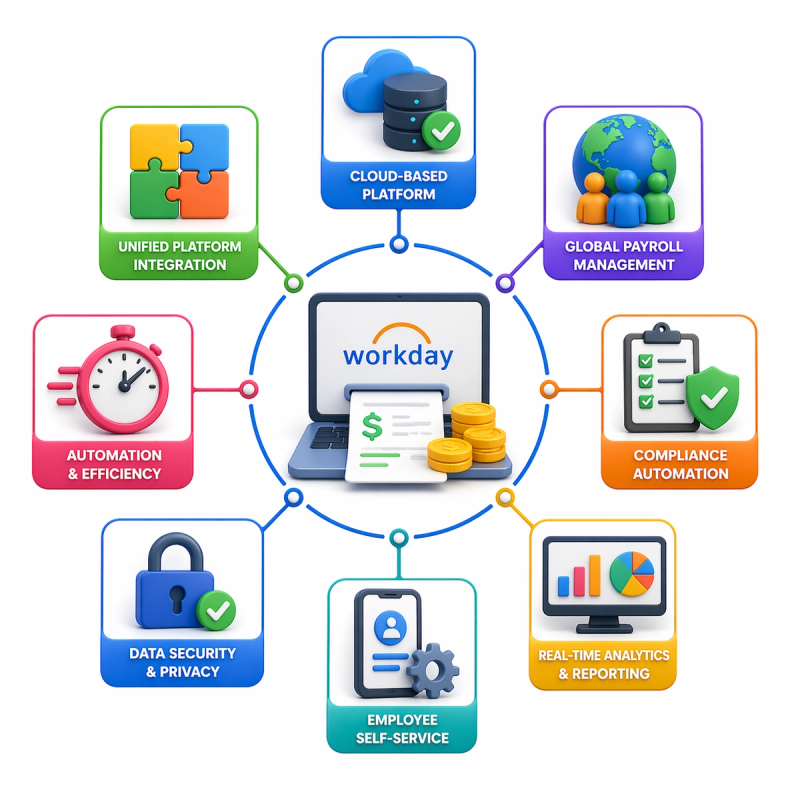
Workday Payroll Advanced Systems provide a modern, cloud-based approach to payroll management that is designed to handle the complexities of today’s global workforce. Unlike traditional payroll solutions, Workday offers a unified platform where payroll, human resources, and financial data are seamlessly connected. This integration ensures that payroll calculations are always based on accurate, up-to-date information, reducing errors and improving overall efficiency. With built-in automation and continuous updates, organizations can manage payroll processes more effectively while staying compliant with changing regulations.
Another key strength of Workday Payroll is its ability to deliver real-time insights and enhance decision-making. By leveraging advanced analytics and reporting tools, organizations can gain visibility into payroll costs, trends, and workforce data. This enables better financial planning and strategic alignment between HR and business goals. Additionally, Workday’s user-friendly interface and employee self-service capabilities improve the overall payroll experience, allowing employees to access payslips, tax information, and personal data with ease.
Key Capabilities of Workday Payroll Advanced Systems:
- Unified platform integrating payroll, HR, and finance data
- Real-time payroll processing and data accuracy
- Automated compliance with global and local regulations
- Advanced analytics and customizable reporting tools
- Employee self-service portals for payroll access
- Scalable cloud-based infrastructure for growing organizations
- Seamless integration with other enterprise systems
- Enhanced data security and privacy controls
Key Features That Differentiate Workday Payroll Solutions
What sets Workday Payroll solutions apart is their ability to operate on a single, unified cloud platform that seamlessly connects payroll with human capital management and financial systems. Unlike traditional payroll tools that rely on fragmented data and multiple integrations, Workday ensures that all information flows in real time from a single source of truth. This eliminates data inconsistencies, reduces manual intervention, and significantly improves accuracy. Additionally, its continuous update model means organizations automatically stay current with regulatory changes without requiring major system upgrades or disruptions.
Another defining feature is the intelligent use of automation and analytics to enhance both operational efficiency and strategic decision-making. Workday Payroll provides real-time reporting, configurable dashboards, and predictive insights that help organizations monitor payroll costs, identify trends, and make informed workforce decisions. Its intuitive user experience, combined with employee self-service capabilities, empowers users to access payroll information easily while reducing the administrative burden on HR teams. Together, these features make Workday Payroll not just a processing tool, but a comprehensive, future-ready solution that supports agility, compliance, and business growth.
Use of Artificial Intelligence in Payroll Decision Making
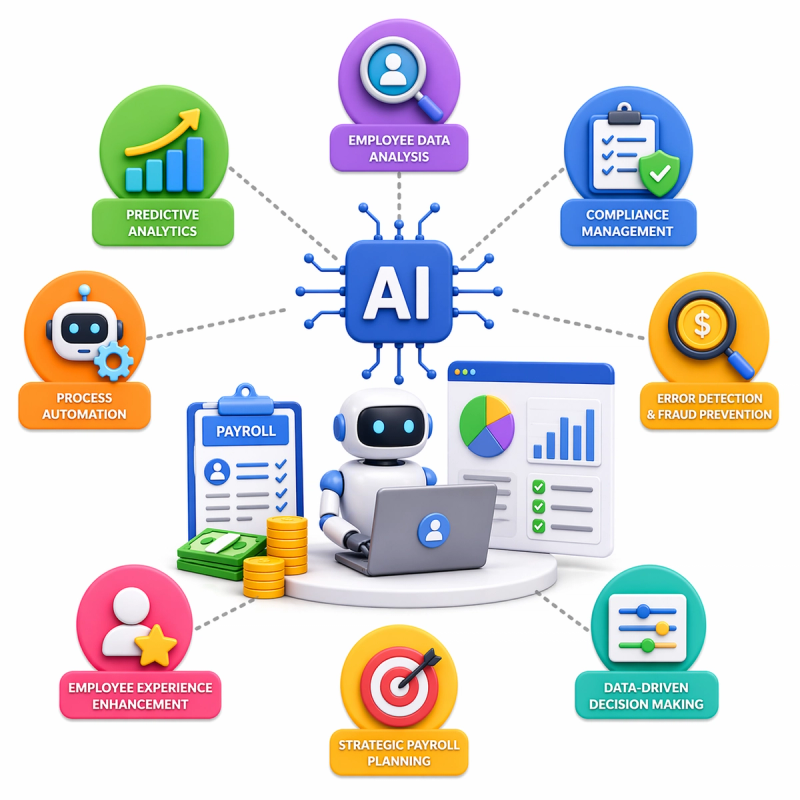
Artificial Intelligence (AI) is transforming payroll from a rule-based, transactional function into a more intelligent and predictive system that supports better decision-making. Traditionally, payroll relied heavily on predefined rules and manual validations, leaving room for errors and delays. With AI, payroll systems can automatically detect anomalies, flag inconsistencies, and ensure higher accuracy in calculations. Machine learning algorithms can analyze historical payroll data to identify patterns, helping organizations prevent errors before they occur and maintain consistent compliance with evolving regulations.
AI also enhances payroll decision-making by providing predictive insights and data-driven recommendations. By analyzing workforce trends, compensation patterns, and external factors, AI-powered payroll systems can help organizations forecast labor costs, optimize compensation strategies, and plan budgets more effectively. For example, businesses can anticipate overtime expenses, identify cost-saving opportunities, and align payroll strategies with overall financial goals. This shift allows payroll teams to move beyond routine processing and contribute to strategic planning and organizational efficiency.
Furthermore, AI improves the employee experience by enabling smarter, more responsive payroll services. Chatbots and virtual assistants can handle employee queries related to payslips, tax deductions, and benefits in real time, reducing dependency on HR support. AI can also personalize payroll insights for employees, offering clarity on earnings, deductions, and financial planning. As organizations continue to adopt advanced technologies, the integration of AI in payroll systems is becoming essential for achieving accuracy, efficiency, and a more proactive approach to workforce management.
Future Trends in Payroll Technology and Workforce Management
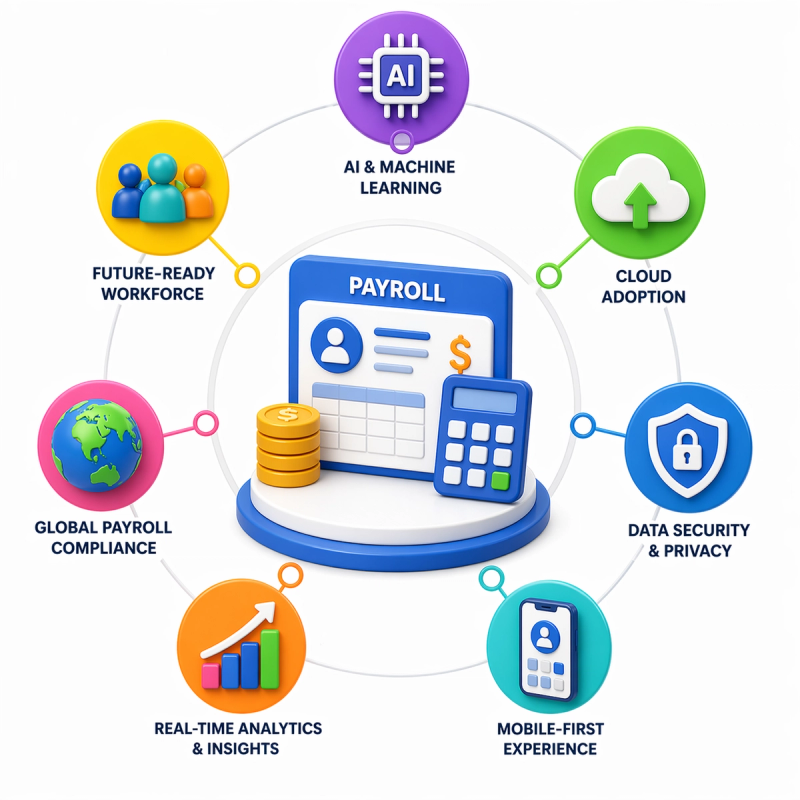
Payroll technology is rapidly evolving to meet the demands of a more digital, distributed, and agile workforce. One of the most significant trends is the shift toward fully cloud-based payroll platforms that offer real-time processing, scalability, and seamless integration with HR and finance systems. These platforms enable organizations to manage payroll across multiple geographies while maintaining consistency and compliance. Additionally, automation is becoming more advanced, reducing manual intervention and allowing payroll teams to focus on strategic initiatives rather than routine administrative tasks.
Another emerging trend is the increasing use of artificial intelligence and advanced analytics in payroll and workforce management. AI-driven systems are enabling predictive insights, helping organizations forecast labor costs, detect anomalies, and optimize compensation strategies. Data analytics tools are also providing deeper visibility into workforce trends, such as employee turnover, productivity, and cost distribution. This empowers business leaders to make informed decisions that align payroll operations with broader organizational goals, ultimately improving efficiency and competitiveness.
The future of payroll is also closely tied to enhancing employee experience and flexibility. Features such as on-demand pay, mobile access to payroll information, and personalized financial insights are becoming more common, reflecting the expectations of a modern workforce. At the same time, organizations are focusing on strengthening data security and compliance frameworks to protect sensitive employee information in an increasingly digital environment. As workforce models continue to evolve—with more remote, freelance, and gig workers—payroll systems will need to adapt, ensuring they remain flexible, secure, and capable of supporting diverse employment structures.
Conclusion
In conclusion, the evolution of payroll systems—particularly through advanced solutions like Workday Payroll—demonstrates how organizations are moving beyond traditional administrative processes toward more strategic, technology-driven operations. By integrating automation, real-time analytics, and cloud-based platforms, modern payroll systems address long-standing challenges such as compliance complexity, data inaccuracies, and lack of transparency. These innovations not only streamline payroll operations but also provide organizations with valuable insights into workforce costs and trends, enabling more informed decision-making and improved operational efficiency.
Looking ahead, the continued integration of artificial intelligence and advanced analytics will further transform payroll into a proactive and intelligent function. Organizations that adopt these modern payroll solutions will be better equipped to adapt to changing workforce models, regulatory requirements, and employee expectations. Ultimately, payroll is no longer just about processing payments—it is becoming a critical component of business strategy, driving agility, enhancing employee experience, and supporting long-term organizational growth in an increasingly digital world.
Related Articles
Workday Prism Analytics: Turning Data into Actionable Insights
In today’s fast-paced business environment, data is everywhere—but turning that data into meaningful insights is where most organizations struggle. Companies collect vast amounts of information from m...

What Is Workday Illuminate? Complete Guide To AI In Workday?
What if your business systems could think ahead, spot patterns before you do, and quietly guide better decisions every day? That’s the direction modern enterprises are moving toward as artificial inte...