The ERP industry is evolving rapidly, and finance professionals are increasingly looking for specialized skills that can provide long-term career growth. Among the most popular ERP finance solutions, Workday Finance and SAP FICO stand out as leading choices for students, freshers, accountants, finance executives, and working professionals
As organizations continue investing in cloud technology, automation, and digital finance transformation, the demand for ERP finance experts is expected to remain strong in 2026 and beyond. However, many aspiring professionals face a common question: Should I choose Workday Finance or SAP FICO?
The answer depends on factors such as job opportunities, salary potential, learning difficulty, industry demand, future growth, and personal career goals. This comprehensive guide compares both career paths to help you make the right decision.
What Is Workday Finance?
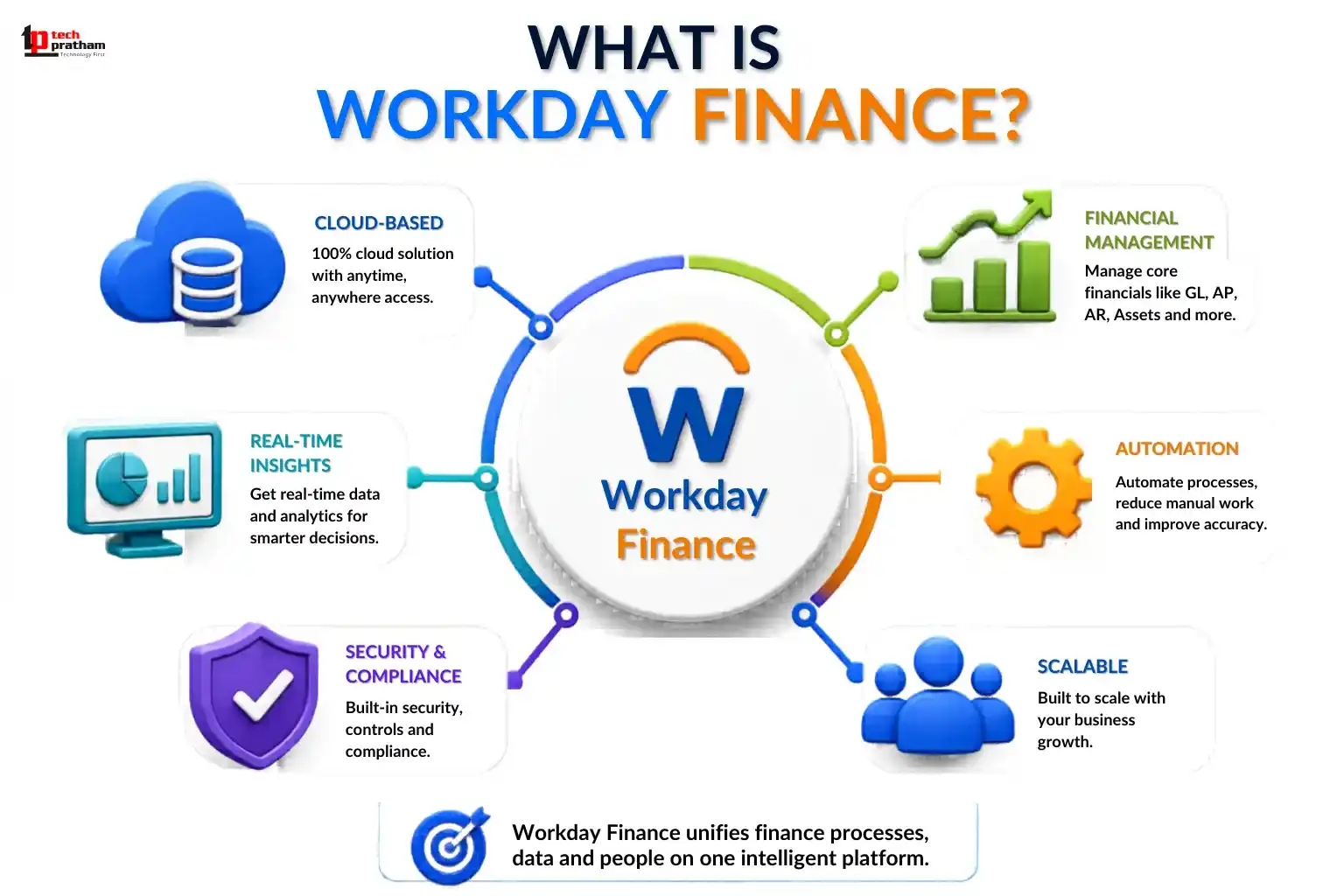
Workday Finance, also known as Workday Financial Management, is a modern cloud-based financial management solution that helps organizations manage accounting, budgeting, procurement, reporting, compliance, and analytics within a single platform.
Unlike traditional ERP systems that were originally designed for on-premise environments, Workday was developed specifically for the cloud. This cloud-native approach enables organizations to access financial data in real time, automate workflows, and improve business decision-making.
Today, many multinational companies, healthcare organizations, educational institutions, and technology firms use Workday Finance to streamline their financial operations.
How Does it Work?
Workday Finance centralizes all financial data into a unified cloud platform. Information from different departments such as finance, procurement, payroll, and planning is connected within a single system, providing a complete view of business performance.
The platform automates routine financial tasks such as invoice processing, expense management, approvals, and financial reporting. During
Workday Training , learners develop practical skills in financial management, reporting, business process configuration, and cloud-based ERP operations, helping them prepare for real-world business environments.
Organizations use Workday Finance to:
- Manage financial accounting and reporting
- Track budgets and forecasts
- Automate procurement processes
- Monitor expenses and cash flow
- Generate real-time financial insights
- Improve compliance and audit readiness
What Is SAP FICO?
SAP FICO stands for Financial Accounting (FI) and Controlling (CO). It is one of the most widely used ERP finance modules in the world and serves as the financial backbone of many organizations. As part of the SAP ecosystem, SAP FICO helps companies manage accounting transactions, financial reporting, cost control, budgeting, asset management, and regulatory compliance.
The module is divided into two components:
- SAP FI (Financial Accounting): Handles general ledger accounting, accounts payable, accounts receivable, asset accounting, and financial reporting.
- SAP CO (Controlling): Focuses on internal cost management, budgeting, profitability analysis, and performance monitoring.
Why Is it Still Popular?
Despite the rise of cloud-based ERP solutions, SAP FICO continues to be one of the most sought-after ERP finance modules worldwide. Its strong market presence, enterprise-grade capabilities, and ongoing SAP S/4HANA adoption make it a preferred choice for organizations and professionals alike.
Widely Adopted Across Industries
SAP FICO is used by organizations in manufacturing, retail, healthcare, banking, logistics, pharmaceuticals, and many other industries. Its widespread adoption creates consistent demand for SAP FICO professionals across the global job market.
Reliable and Stable ERP Solution
Businesses trust SAP FICO because it has been proven over decades to handle complex financial processes efficiently. Its reliability, accuracy, and scalability make it suitable for organizations of all sizes.
Highly Integrated with Business Processes
SAP FICO seamlessly integrates with other SAP modules such as SAP MM, SAP SD, SAP PP, SAP HCM, and SAP S/4HANA. This integration enables organizations to manage end-to-end business operations through a single ERP platform.
Real-Time Financial Insights
SAP FICO provides accurate financial data and reporting tools that help businesses track performance, manage budgets, and make informed financial decisions.
High-Demand Skill
SAP FICO remains one of the most sought-after ERP finance skills, offering strong job opportunities, competitive salaries, and long-term career growth across industries.
Workday Finance vs SAP FICO: Key Differences
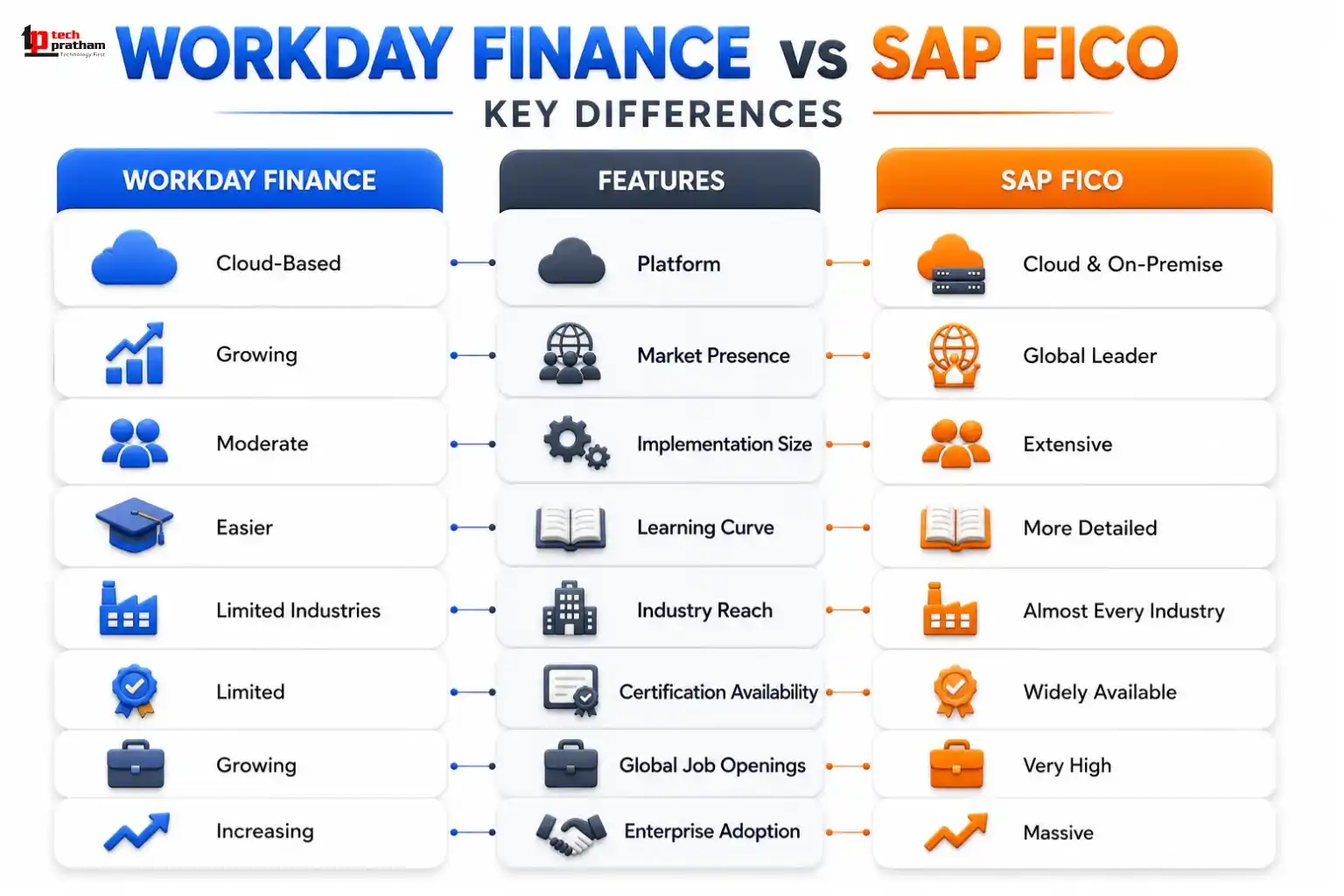
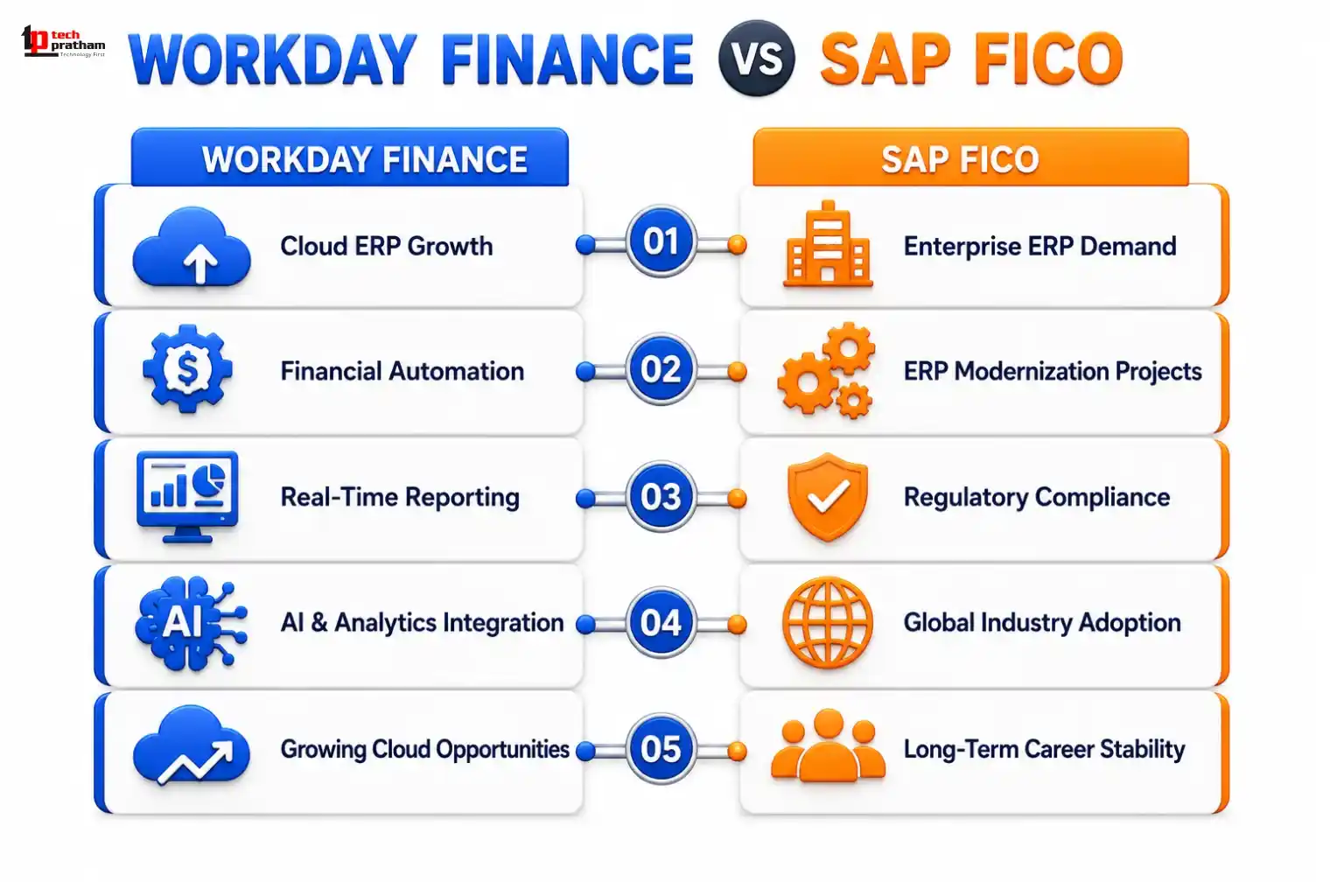
Although both Workday Finance and SAP FICO are designed to manage financial operations, they differ in technology, market presence, implementation complexity, and career opportunities. Workday Finance is a cloud-native solution known for its modern interface and growing adoption among multinational organizations, while SAP FICO is a well-established ERP finance module with a larger global customer base and broader industry reach.
For professionals seeking a cloud-focused career, Workday Finance offers strong growth potential. However, SAP FICO continues to provide more job opportunities, extensive implementation projects, and wider recognition across industries. The best choice depends on your career goals, learning preferences, and target job market.
Which Is Easier to Learn: Workday Finance or SAP FICO?
One of the most common questions among students and working professionals is whether Workday Finance or SAP FICO is easier to learn. The answer depends on your background, accounting knowledge, and career goals. While both platforms require an understanding of financial processes, the complexity and learning approach differ significantly.
Learning Workday Finance
Workday Finance is generally considered easier for beginners because of its modern interface, cloud-based architecture, and user-friendly navigation. Since the platform is designed for simplicity and real-time accessibility, learners can understand core concepts relatively quickly.
Workday Finance is particularly suitable for:
- Commerce graduates
- B.Com students
- MBA Finance students
- Accountants
- Financial analysts
- ERP beginners
Professionals can often become productive more quickly compared to traditional ERP systems.
Learning SAP FICO
SAP FICO is generally more challenging to learn because it requires both accounting knowledge and an understanding of ERP business processes. Learners need to understand not only financial concepts but also how different departments and business functions work together within an organization.
To learn SAP FICO effectively, professionals should have knowledge of:
- Financial Accounting (FI)
- Cost Accounting and Controlling (CO)
- Business Processes
- ERP Fundamentals
- SAP Navigation and Configuration
- Integration with other SAP modules
Although the learning curve is steeper, SAP FICO expertise is highly valued by employers worldwide.
Skills Required for Workday Finance Professionals
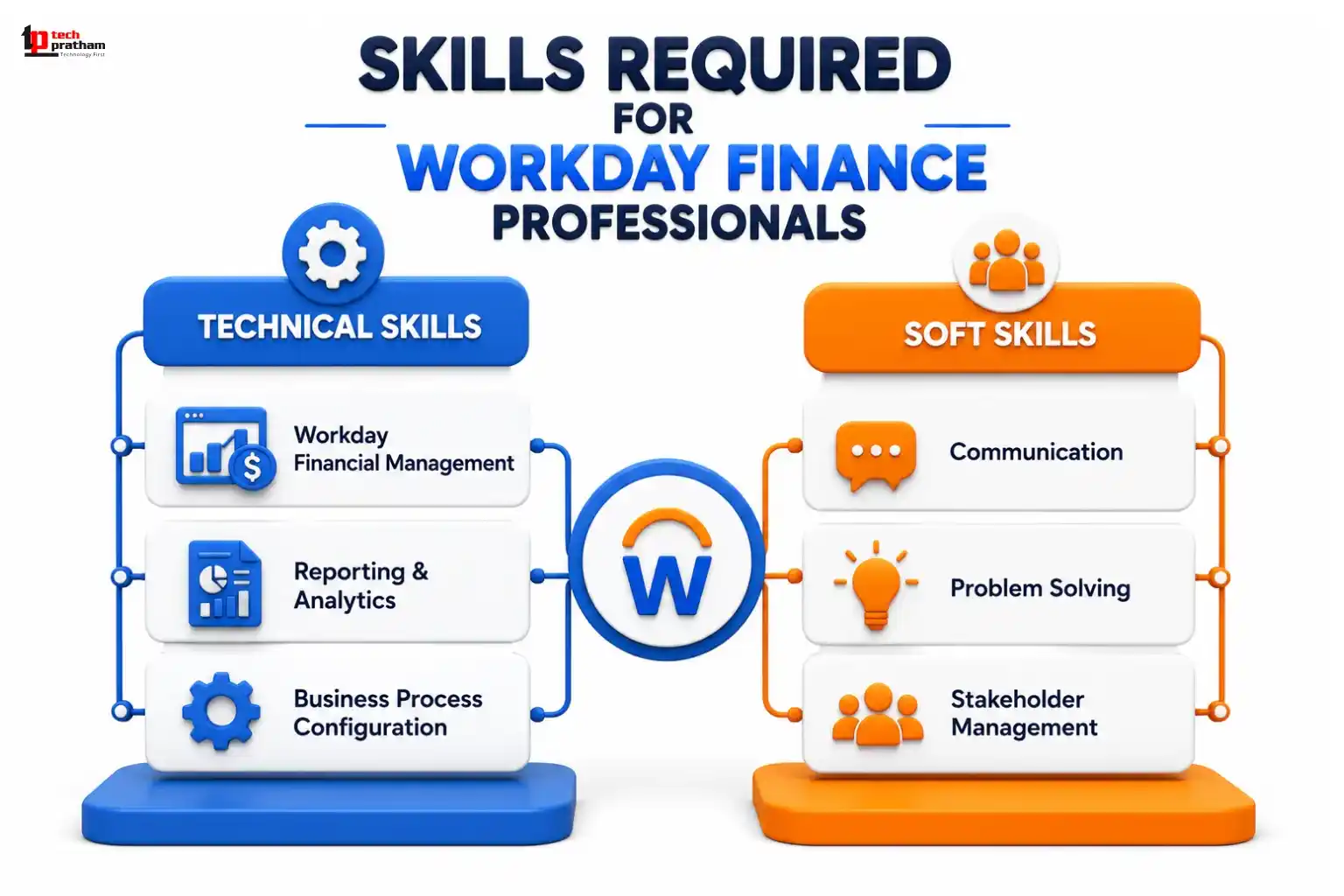
Success in Workday Finance requires a combination of technical expertise and professional skills. As organizations increasingly adopt cloud-based financial management systems, employers look for candidates who can effectively manage financial processes while collaborating with business teams.
Technical Skills
Workday Financial Management
Professionals should understand Workday's core financial modules, including General Ledger, Accounts Payable, Accounts Receivable, Procurement, Expenses, and Financial Reporting. Knowledge of how these modules interact is essential for implementation and support roles.
Reporting & Analytics
Workday provides powerful reporting and analytical tools. Professionals must know how to create custom reports, dashboards, and financial insights that help management make data-driven decisions.
Business Process Configuration
One of the most important Workday skills is configuring business processes according to organizational requirements. This includes setting up approval workflows, financial controls, and automated processes.
Soft Skills
Communication
Workday consultants frequently interact with finance teams, managers, and stakeholders. Strong communication skills help in understanding requirements and delivering effective solutions.
Problem Solving
Organizations often face unique financial challenges. The ability to identify issues and develop practical solutions is highly valued.
Stakeholder Management
Workday professionals must work with multiple departments and stakeholders. Managing expectations and maintaining collaboration is critical for project success.
Skills Required for SAP FICO Professionals
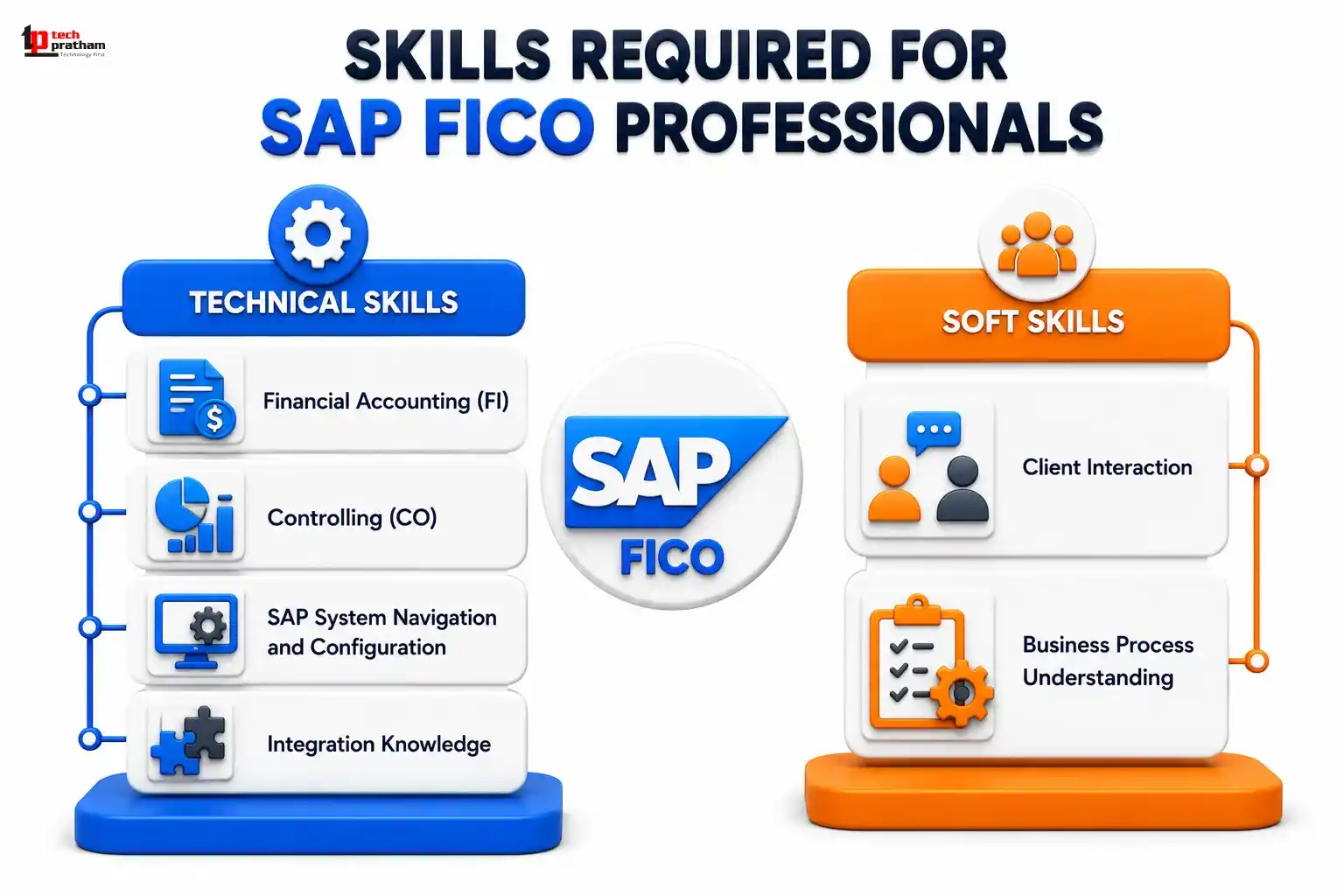
SAP FICO professionals require both accounting expertise and ERP system knowledge. Since SAP is deeply integrated into business operations, consultants must understand financial processes as well as system functionality.
Technical Skills
Financial Accounting (FI)
A strong understanding of General Ledger Accounting, Accounts Payable, Accounts Receivable, Asset Accounting, and Financial Reporting is essential for SAP FI consultants.
Controlling (CO)
Knowledge of cost center accounting, profit center accounting, internal orders, and profitability analysis helps organizations manage costs and improve performance.
SAP System Navigation and Configuration
SAP FICO professionals should understand how to navigate the SAP system, configure financial processes, and manage business transactions effectively.
Integration Knowledge
SAP FICO integrates with modules such as SAP MM, SAP SD, SAP PP, and SAP HCM. Understanding these integrations helps consultants support end-to-end business processes across an organization.
Soft Skills
Communication Skills
SAP FICO professionals often interact with clients, team members, and business users to understand requirements and provide effective solutions. Strong communication skills help ensure successful project execution.
Understanding Business Processes
Successful SAP FICO professionals understand how different business departments work together and how financial processes support overall business operations. This knowledge helps them configure and manage ERP solutions more effectively.
Salary Comparison in 2026
Both Workday Finance and SAP FICO offer attractive salary packages in 2026. Workday professionals often benefit from niche cloud ERP expertise, while SAP FICO consultants enjoy a larger job market and a wider range of opportunities across industries. Salary growth in both careers depends on factors such as certifications, project experience, industry knowledge, and location.
Professionals with extensive SAP FICO experience and expertise in modern SAP finance solutions can often command higher compensation packages
Job Opportunities and Career Growth in 2026
Job opportunities are one of the most important factors when choosing between Workday Finance and SAP FICO. While both careers offer strong growth potential, the industries hiring, job roles, and career paths differ based on market demand and ERP adoption.
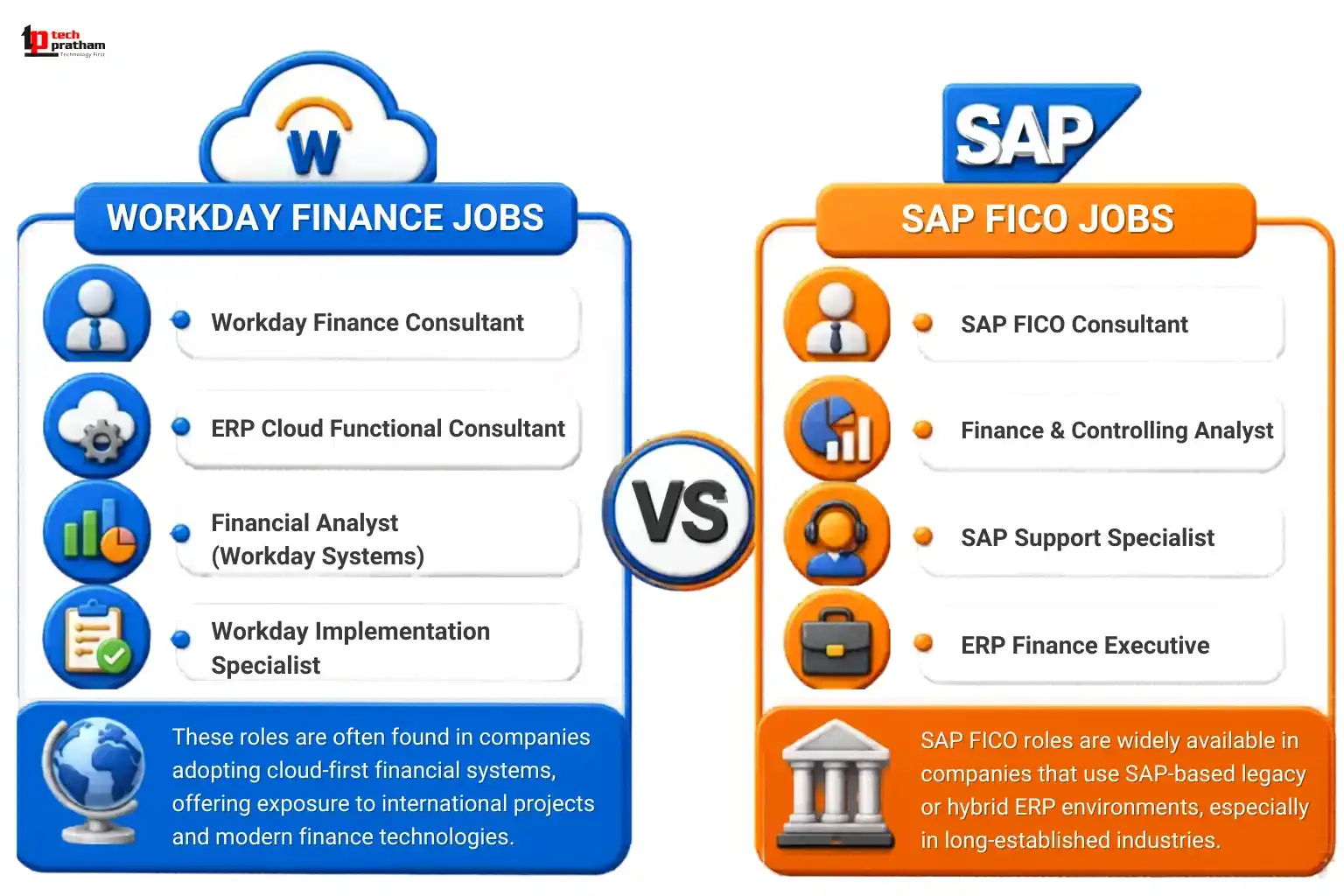
Workday Finance Job Opportunities
The demand for Workday Finance professionals is growing as more organizations adopt cloud-based ERP solutions. Companies use Workday to manage financial operations, reporting, planning, and business processes, creating opportunities across multiple industries. Leading consulting firms such as Accenture, Deloitte, PwC, KPMG, and EY frequently recruit professionals with Workday expertise.
Industries Hiring Workday Professionals:
- Healthcare
- Education
- Technology
- Professional Services
- Non-Profit Organizations
- Consulting Firms
Popular Workday Finance Job Roles:
- Workday Finance Associate – Supports financial system operations and reporting activities.
- Junior Workday Consultant – Assists in implementation and configuration projects.
- Financial Systems Analyst – Analyzes financial data and system performance.
- Workday Support Executive – Provides system support and issue resolution.
- Workday Finance Consultant – Implements and optimizes Workday Financial Management solutions.
- Business Analyst – Bridges business requirements with system functionality.
- Solution Architect – Designs enterprise-level Workday solutions.
- Project Manager – Leads implementation and transformation projects.
SAP FICO Job Opportunities
SAP FICO remains one of the most in-demand ERP finance skills due to SAP's extensive global presence. Organizations across various industries continue to hire SAP FICO professionals for implementation, support, migration, and optimization projects. Major employers include IT consulting and technology companies such as Infosys, Tata Consultancy Services, Wipro, HCLTech, and Capgemini.
Industries Hiring SAP FICO Professionals:
- Manufacturing
- Retail
- Banking
- Pharmaceuticals
- Logistics
- Automotive
- Government Organizations
- IT Consulting Companies
Popular SAP FICO Job Roles:
- SAP FICO Trainee – Learns SAP financial processes and system operations.
- SAP Support Analyst – Provides user support and issue resolution.
- Junior SAP Consultant – Assists with SAP configuration and implementation activities.
- SAP FICO Consultant – Manages financial accounting and controlling processes within SAP.
- SAP Functional Consultant – Works with clients to design and optimize business solutions.
- SAP Business Analyst – Analyzes business requirements and process improvements.
- SAP Solution Architect – Designs enterprise-wide SAP solutions.
- SAP Project Manager – Oversees SAP implementation and transformation projects.
Future Scope of Workday Finance vs SAP FICO in 2026
Both Workday Finance and SAP FICO offer strong career opportunities in 2026, but their growth is driven by different market trends. Workday Finance is benefiting from the rapid adoption of cloud ERP solutions, while SAP FICO continues to maintain strong demand due to its widespread enterprise usage and established global presence. Understanding these growth drivers can help professionals choose the right career path based on their long-term goals.
Workday Finance offers strong growth potential in the expanding cloud ERP market, while SAP FICO provides broader opportunities due to its large customer base and widespread industry adoption. Both careers have a positive future outlook, making the right choice dependent on your interests, skills, and career objectives.
Certification Comparison
Certifications play an important role in validating technical skills and improving career opportunities. Both Workday Finance and SAP FICO certifications can enhance professional credibility, but they differ in availability and industry recognition.
Workday Finance Certification
Workday Finance certification validates a professional's ability to work with Workday Financial Management applications, reporting tools, and business processes. These certifications are generally available through authorized Workday partners and approved training channels. Earning a Workday certification can help professionals demonstrate their expertise in cloud-based financial management and improve their prospects in Workday implementation and consulting roles.
SAP FICO Certification
SAP FICO certification validates knowledge of financial accounting, controlling processes, and SAP ERP finance functionality. It is widely recognized by employers across industries and is considered one of the most respected ERP finance certifications. SAP-certified professionals often gain a competitive advantage in implementation, support, and consulting roles, making certification a valuable asset for long-term career growth.
Final Verdict
If your goal is to maximize job opportunities, industry exposure, and long-term ERP consulting potential, SAP FICO remains the stronger choice in 2026.
If you want to build a career in cloud ERP, digital finance transformation, and modern financial technology, Workday Finance offers excellent growth potential and attractive salary prospects.
For freshers, SAP FICO generally provides a larger employment market and greater flexibility. For professionals interested in cloud-first environments, Workday Finance can be a highly rewarding specialization.
Ultimately, both careers are valuable and future-ready. The right choice depends on your interests, background, and long-term professional goals.











 +91-8882178896
 +1 (343) 477-0926